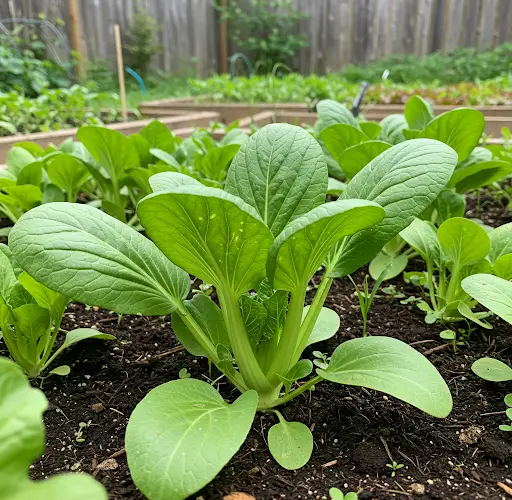
Mothers Can’t Ignore This Vegetable – Super Easy to Grow and Super Delicious: Choy Sum
Choy Sum, also known as Chinese flowering cabbage, is a delicious, nutrient-rich leafy green that is incredibly easy to grow at home. Whether you have a garden, balcony, or just a few pots, you can cultivate this fast-growing vegetable effortlessly. Packed with vitamins A, C, and K, Choy Sum is not only healthy but also versatile in cooking, making it a staple in many Asian dishes.
In this guide, we will walk you through the best ways to grow Choy Sum, from planting to harvesting, so you can enjoy a fresh supply of this delicious vegetable all year round.
1. Why You Should Grow Choy Sum at Home
Choy Sum is one of the easiest and fastest-growing leafy greens. Here’s why you should consider growing it at home:
✅ Fast-Growing – Ready to harvest in just 30–45 days. ✅ Minimal Space Required – Grows well in containers, raised beds, and even small spaces. ✅ Continuous Harvest – Regrows quickly after cutting. ✅ Nutrient-Rich – High in fiber, vitamins, and antioxidants. ✅ Versatile in Cooking – Can be used in stir-fries, soups, or salads. ✅ Pest-Resistant – Less prone to pests compared to other leafy greens.
With minimal effort, you can enjoy fresh and organic Choy Sum straight from your home garden.
2. Choosing the Right Variety and Seeds
Before planting, it’s important to select the right variety of Choy Sum. Some popular varieties include:
🌿 Baby Choy Sum – Smaller and more tender leaves, great for quick harvests. 🌿 Standard Choy Sum – Larger stems and leaves, excellent for stir-fries. 🌿 Purple-Stem Choy Sum – Unique variety with a slightly sweeter taste.
When purchasing seeds, look for organic and non-GMO varieties to ensure healthy growth.
3. Best Growing Conditions for Choy Sum
Choy Sum thrives in mild temperatures between 50–77°F (10–25°C). It grows best in:
☀️ Full sun to partial shade – Needs at least 4–6 hours of sunlight daily. 🌱 Well-draining soil – Rich in organic matter with a pH of 6.0–7.5. 💧 Consistent moisture – Keep the soil evenly moist but not soggy.
Choy Sum is a cool-weather crop, making it ideal for spring and fall planting. However, in warmer climates, it can be grown year-round with some shade.
4. How to Plant Choy Sum from Seeds
Choy Sum is best grown from seeds, which germinate quickly within a few days. Follow these steps for successful planting:
Step 1: Prepare the Soil or Container
🌿 Choose a deep container (at least 8 inches deep) if growing in pots. 🌿 Mix soil with compost and perlite for better aeration. 🌿 Water the soil before planting to ensure it’s moist but not soaked.
Step 2: Sow the Seeds
🌿 Sow seeds 1/4 inch (0.6 cm) deep. 🌿 Space seeds 2–3 inches (5–8 cm) apart. 🌿 If growing in rows, keep 6–8 inches (15–20 cm) between rows. 🌿 Cover lightly with soil and mist with water.
Step 3: Germination and Thinning
🌱 Seeds will germinate in 3–7 days. 🌱 Once seedlings grow 2–3 inches tall, thin them to 4–6 inches apart. 🌱 Transplanted seedlings should be handled gently to avoid root damage.
5. Caring for Choy Sum Plants
Watering
💧 Water regularly, keeping the soil moist but avoiding waterlogging. 💧 In hot weather, water daily to prevent plants from drying out.
Fertilizing
🌿 Apply a balanced fertilizer (10-10-10) every 2 weeks. 🌿 Use compost or liquid fish emulsion for organic growth. 🌿 Avoid over-fertilizing, as too much nitrogen can lead to excessive leaf growth but weaker stems.
Mulching
🌿 Apply a layer of mulch or straw around plants to retain moisture and prevent weeds.
6. Common Pests and How to Control Them
Choy Sum is relatively pest-resistant, but some common problems include:
🐛 Cabbage Worms – Hand-pick or use BT spray (Bacillus thuringiensis). 🦗 Aphids – Spray with neem oil or insecticidal soap. 🐌 Slugs and Snails – Use egg shells or diatomaceous earth around plants.
Practicing crop rotation and companion planting (e.g., planting Choy Sum with garlic or onions) can help deter pests naturally.
7. When and How to Harvest Choy Sum
Choy Sum is ready to harvest within 30–45 days after planting.
✔️ Harvest when plants are 6–12 inches tall. ✔️ Use sharp scissors or a knife to cut leaves at the base. ✔️ Leave the root system intact to allow regrowth for multiple harvests. ✔️ If flowers start forming, harvest immediately for the best taste.
For a continuous harvest, plant new seeds every 2–3 weeks.
8. How to Store and Cook Choy Sum
Storing
🥬 Refrigeration – Store in a perforated plastic bag for up to 7 days. 🥬 Freezing – Blanch leaves in boiling water, then freeze for long-term storage.
Cooking Ideas
🍜 Stir-fry with garlic and oyster sauce. 🍲 Add to soups, noodles, or steamed dishes. 🥗 Use fresh in salads or sandwiches.
Choy Sum has a mild, slightly sweet flavor and a crisp texture, making it delicious in a variety of dishes.
9. Conclusion: Start Growing Choy Sum Today!
Choy Sum is a super easy-to-grow, nutritious, and delicious vegetable that every household should have. Whether you’re a beginner gardener or an expert, you’ll love how quickly it grows and how little maintenance it needs.
With just a few simple steps, you can enjoy fresh, homegrown Choy Sum and never have to buy it from the market again. So why wait? Start growing Choy Sum today and enjoy a steady supply of this amazing vegetable all year round!
Happy gardening! 🌱🥬😊


