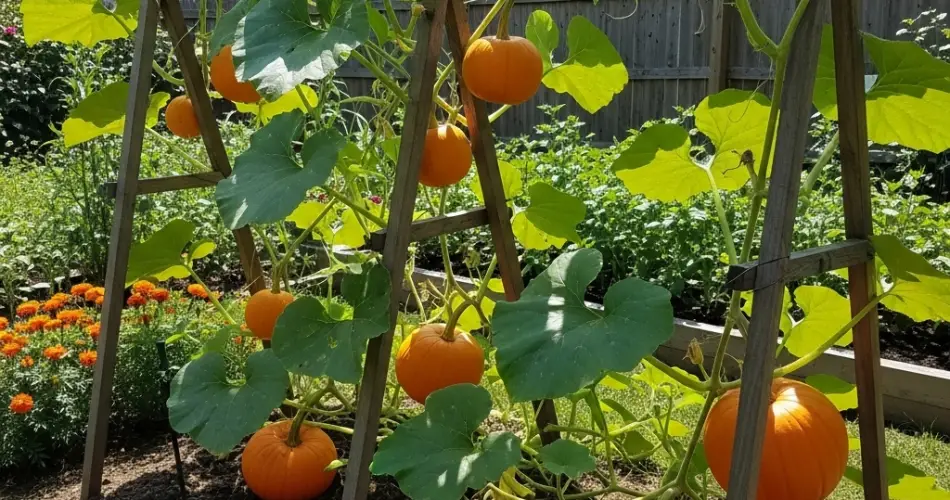
Miniature pumpkins, with their charming size and vibrant colors, are a favorite among gardeners and decorators alike. They are perfect for fall displays, table centerpieces, or even as edible treats. While these pumpkins are smaller than their full-sized relatives, they still require thoughtful support as they grow, especially if cultivated on trellises, raised beds, or compact gardens. Wooden frames provide a reliable and eco-friendly way to help miniature pumpkins thrive while keeping your garden neat and productive.
Why Miniature Pumpkins Need Support
Unlike sprawling field pumpkins that spread across the ground, miniature pumpkin varieties are often grown vertically to save space. This means their vines need guidance, and their developing fruits need careful support to avoid strain or damage. Without a structure, vines may trail uncontrollably, fruits can rest directly on the soil, and the risk of rot, pest infestations, or uneven growth increases.
By providing support through wooden frames, gardeners can lift the vines and fruits off the ground, protect the harvest, and encourage healthier plant development. This is especially important for small-space gardeners who want to maximize their yield without sacrificing aesthetics.
Advantages of Wooden Frames
Wooden frames remain one of the most popular choices for pumpkin support systems, particularly for miniature varieties. Here’s why:
-
Eco-Friendly and Sustainable – Wood is a natural, renewable material. Many gardeners prefer using untreated lumber or repurposed wood for an environmentally conscious approach.
-
Strong Yet Gentle – A well-built wooden frame offers enough sturdiness to support vines and pumpkins, yet it is less abrasive than metal structures, reducing the chance of stem damage.
-
Customizable Designs – Wooden frames can be crafted into various shapes and sizes, from simple square frames to elaborate lattices, depending on the gardener’s needs.
-
Cost-Effective – Scrap wood or reclaimed lumber can often be used, reducing costs while giving new life to old materials.
-
Aesthetic Appeal – Wooden structures blend naturally into garden spaces, giving them a rustic, organic feel that complements pumpkin plants beautifully.
Types of Wooden Frames for Miniature Pumpkins
Depending on the garden setup, different wooden frame designs can be used to support miniature pumpkins:
-
A-Frame Structures: Built in a triangular shape, these frames allow vines to climb on both sides, while pumpkins hang down safely in the center.
-
Flat Lattice Frames: A vertical wooden lattice provides excellent support for vines, making it easier to train them upward.
-
Raised Bed Frames: If growing in raised beds, wooden frames can be installed directly into the bed’s corners, giving vines a structured surface to climb.
-
Platform Supports: Small wooden shelves or slings can be added to hold individual pumpkins as they mature, preventing strain on the vine.
How to Build a Simple Wooden Frame
Creating a supportive frame doesn’t require advanced carpentry skills. A basic wooden frame can be built with just a few tools and materials:
-
Materials Needed: Four sturdy wooden stakes, cross beams, screws or nails, and a hammer or drill.
-
Step 1 – Prepare the Site: Choose a sunny spot with enough space for the frame to stand securely.
-
Step 2 – Set the Stakes: Insert the four wooden stakes into the soil, forming a square or rectangular base.
-
Step 3 – Add Cross Beams: Attach cross beams horizontally between the stakes at different heights to create climbing levels for the vines.
-
Step 4 – Train the Vines: As pumpkin vines grow, gently guide them onto the frame, tying them loosely with garden twine if necessary.
This simple frame can be expanded or adjusted depending on the number of plants and available space.
Tips for Supporting Miniature Pumpkins on Frames
-
Install Early: Set up the frame before planting or when seedlings are small to avoid disturbing roots later.
-
Tie Gently: Use soft ties such as fabric strips or garden twine to avoid damaging delicate stems.
-
Support Fruits Individually: As pumpkins develop, consider using slings made from fabric or mesh to cradle the fruit and prevent it from weighing down the vine.
-
Maintain the Frame: Check periodically for loose connections or weather damage, especially if the wood is untreated.
Benefits Beyond Support
Using wooden frames to support miniature pumpkins doesn’t just improve plant health; it also makes gardening more efficient:
-
Better Air Circulation – Lifting vines allows air to flow freely, reducing fungal diseases.
-
Cleaner Harvest – Fruits remain elevated and free from soil contact, keeping them cleaner and more attractive.
-
Space Optimization – Vertical growth frees up garden space for other crops or flowers.
-
Decorative Appeal – A frame covered with vines and tiny pumpkins creates a picturesque garden feature that doubles as natural décor.
Final Thoughts
Wooden frames are a practical, sustainable, and attractive way to support miniature pumpkins. They protect vines, improve yields, and enhance the overall look of the garden. Whether you are growing pumpkins for festive decorations, culinary use, or simply the joy of gardening, investing time in building a simple wooden frame can make all the difference. By combining structure with natural growth, you create a thriving pumpkin patch that is both functional and beautiful season after season.


