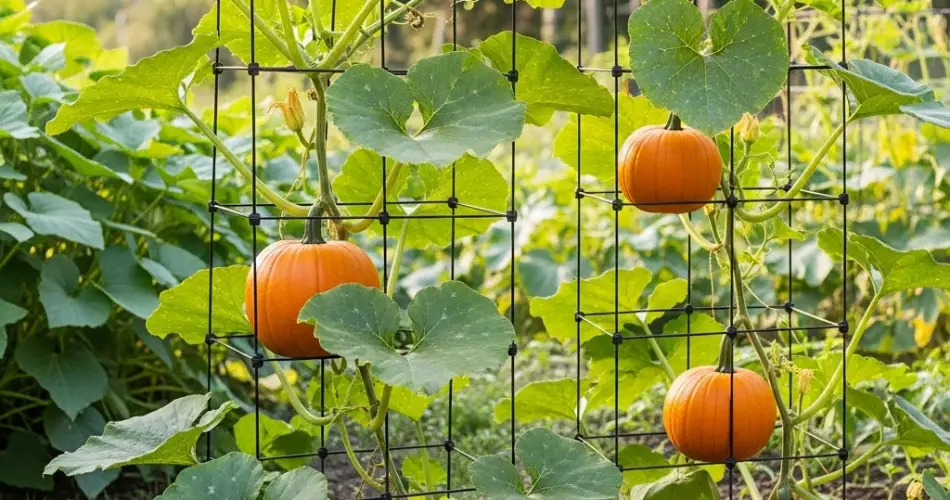
Growing pumpkins can be a rewarding experience, but these vigorous, sprawling plants often take over garden spaces if left unchecked. Traditional pumpkin cultivation involves letting vines spread across the ground, which can lead to crowding, pest problems, and rot-prone fruits. One innovative solution for controlling pumpkin growth is the use of metal arches, which train vines upward, creating a vertical garden that saves space, supports healthier plants, and makes harvesting easier.
The Need for Support in Pumpkin Cultivation
Pumpkin plants are notorious for their sprawling growth habit. Their long, trailing vines can extend over several feet, making them difficult to manage in small gardens or urban plots. Ground-grown pumpkins are also more susceptible to pests, fungal infections, and soil-borne diseases. Fruits resting directly on the soil are prone to rot, especially in wet conditions. Providing structural support for the vines mitigates these problems by lifting fruits off the ground, improving air circulation, and allowing better light exposure to leaves.
Why Choose Metal Arches
Metal arches are ideal for training pumpkin vines upward for several reasons:
-
Strength and Durability: Unlike wooden trellises or simple stakes, metal arches can support the heavy weight of mature pumpkin vines and fruits without bending or breaking.
-
Longevity: Metal is weather-resistant and long-lasting, making it a sustainable option for repeated use across seasons.
-
Space Efficiency: Vertical growth using arches allows gardeners to maximize small spaces and even integrate pumpkins into ornamental garden designs.
-
Visual Appeal: Arched structures add an architectural element to the garden, making it attractive as well as functional.
Selecting the Right Metal Arch
When choosing a metal arch for pumpkins, consider the following:
-
Height: Pumpkin vines can grow rapidly, so arches should be at least 5 to 6 feet tall to accommodate the vertical growth of both vines and fruits.
-
Width: Ensure the arch is wide enough to allow the plant’s spread and provide support for multiple vines.
-
Material: Powder-coated steel or galvanized metal is ideal for outdoor use, as it resists rust and deterioration.
-
Design: Arches with a grid or lattice pattern along the sides provide multiple points for tying vines and guiding growth.
Installing the Arch
Proper installation ensures that metal arches are both functional and safe:
-
Location: Place the arch in a sunny spot, as pumpkins require at least six hours of direct sunlight per day.
-
Foundation: Secure the arch firmly in the ground using stakes, concrete bases, or heavy-duty anchors to prevent tipping under the weight of growing vines and fruits.
-
Spacing: Plant pumpkin seeds or seedlings a few feet from the base of the arch, giving vines room to climb naturally.
Training Vines Upward
Training pumpkin vines onto metal arches is a gradual process:
-
Initial Guidance: As seedlings grow, gently drape the main vines over the arch. Avoid forcing the vines, which can damage tender stems.
-
Securing Vines: Use soft plant ties or garden twine to loosely attach vines to the arch at intervals. Loosen ties as the stems thicken to prevent constriction.
-
Supporting Fruits: For heavier pumpkins, create slings using fabric, netting, or old stockings to cradle the fruit as it grows. Attach these slings to the arch to prevent vines from snapping under the weight.
-
Pruning: Trim excessive lateral growth to focus the plant’s energy on producing fruits and maintaining manageable vine length.
Benefits Beyond Vertical Growth
Using metal arches offers advantages beyond simply lifting vines off the ground:
-
Reduced Disease: Elevated fruits have less contact with soil, lowering the risk of rot and fungal infections.
-
Improved Air Circulation: Vertical growth enhances airflow, reducing humidity around leaves and minimizing pest problems.
-
Ease of Harvesting: Fruits are easier to spot and pick when suspended, reducing strain on gardeners and minimizing damage during harvest.
-
Garden Design: Arches can define pathways, frame garden entrances, or serve as attractive focal points in ornamental vegetable gardens.
Maintenance Tips
To get the most out of metal arches:
-
Regularly check vine attachments to prevent damage.
-
Inspect the arch for rust or loose connections and address promptly.
-
Reposition plant ties as vines grow to maintain proper support.
-
At season’s end, remove dead foliage and consider cleaning and storing arches for reuse.
Conclusion
Metal arches are a versatile, practical, and visually striking solution for training pumpkin vines upward. They save garden space, protect fruits, improve plant health, and add an architectural element to outdoor spaces. By carefully selecting, installing, and maintaining metal arches, gardeners can transform sprawling pumpkin vines into organized vertical displays while maximizing yield and minimizing common growing problems. For any gardener seeking an efficient and aesthetically pleasing way to cultivate pumpkins, metal arches offer an ideal balance of support, durability, and design appeal.