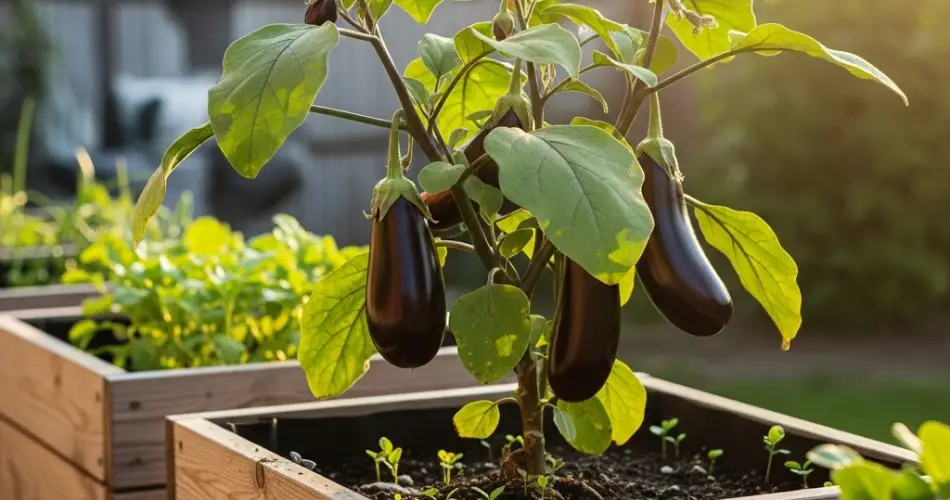
Growing fresh vegetables at home has become increasingly popular, especially among those who want to enjoy healthier produce and save money. Among the many vegetables you can cultivate, eggplants stand out for their versatility in the kitchen and their ability to thrive in containers. With the right techniques, even small spaces such as balconies, patios, or compact gardens can become productive areas for eggplant cultivation. One of the most practical and creative methods is growing multiple eggplants in wooden boxes. This approach provides a sturdy, eco-friendly, and aesthetically pleasing solution for home gardening.
Why Choose Wooden Boxes for Eggplants?
Wooden boxes are excellent containers for growing eggplants because they offer both function and style. They are affordable, easy to build or repurpose, and allow proper root growth. The natural insulation of wood also helps regulate soil temperature, keeping it cooler during hot days and warmer during cooler nights. Unlike thin plastic pots that may crack or deteriorate, wooden boxes are durable and can support the weight of several plants. Additionally, they can be designed in different sizes, allowing you to adjust based on how many eggplants you plan to grow.
Selecting the Right Wooden Box
When choosing or constructing a wooden box, make sure it is deep enough to support eggplant roots. A depth of at least 18 to 20 inches is ideal. The width and length depend on how many plants you intend to grow, but keep in mind that eggplants need space. For healthy growth, each plant requires about 18 to 24 inches of spacing. If you are building your own box, untreated wood is the safest option, as treated wood may leach chemicals into the soil. Cedar and pine are good choices since they resist rot better than other types of wood.
Preparing the Soil Mix
Eggplants thrive in fertile, well-draining soil. A good mix for wooden box gardening should include garden soil, compost, and organic matter such as coconut coir or peat moss. Adding perlite or coarse sand can help improve drainage. To boost fertility, incorporate slow-release organic fertilizer or composted manure before planting. Eggplants are heavy feeders, so nutrient-rich soil is essential for producing multiple fruits per plant.
Planting Eggplants in Wooden Boxes
Start with healthy seedlings or young plants that are about 6 to 8 inches tall. If you prefer, you can germinate seeds indoors four to six weeks before the last frost date and transplant them later. Place the seedlings in the prepared soil, ensuring proper spacing. If your wooden box is large enough, you can plant three to four eggplants in one container. Position them so each has enough room to expand without overcrowding. After planting, water thoroughly to help the roots settle.
Sunlight and Watering Needs
Eggplants require full sun to thrive, so place your wooden box in a spot that receives at least 6 to 8 hours of direct sunlight daily. Consistent watering is also important, as the soil should remain evenly moist but never waterlogged. Wooden boxes may dry out faster than in-ground gardens, so check moisture levels regularly. Using mulch, such as straw or shredded leaves, can help retain soil moisture and reduce evaporation.
Supporting and Pruning Plants
As eggplants grow, they may become heavy with fruit, and their branches can droop or break. To prevent this, use stakes or cages to support the plants. Pruning is also beneficial, as it improves air circulation and directs the plant’s energy toward fruit production. Remove yellowing leaves and suckers that grow between the main stem and branches. This practice helps the plant stay healthy and more productive.
Fertilization and Care
Since eggplants are heavy feeders, apply a balanced fertilizer every three to four weeks. Organic liquid fertilizers such as fish emulsion or compost tea are excellent choices. Avoid over-fertilizing with nitrogen, as this can lead to excessive leafy growth at the expense of fruits. Monitoring for pests like aphids, flea beetles, and spider mites is also important. Neem oil or insecticidal soap can help manage infestations naturally.
Harvesting Eggplants
Eggplants are ready for harvest when they reach a glossy appearance and firm texture. Depending on the variety, this may be anywhere from 60 to 80 days after transplanting. To harvest, use scissors or a sharp knife to cut the fruit with a small portion of stem attached. Avoid pulling the fruit directly, as this can damage the plant. Harvesting regularly encourages more fruit production, allowing you to enjoy multiple eggplants throughout the season.
Benefits of Wooden Box Eggplant Gardening
Besides producing fresh vegetables, growing eggplants in wooden boxes offers several other benefits. The method maximizes space, making it perfect for urban gardeners or those with limited yards. It also provides better soil control, as you can customize the soil mix and avoid common ground pests. Wooden boxes can be easily moved if necessary, allowing you to reposition them for optimal sunlight or protection from harsh weather. Lastly, the rustic appearance of wooden containers adds charm and natural beauty to any home garden.
Final Thoughts
Wooden box gardening is a practical and rewarding way to grow multiple eggplants at home. With proper preparation, soil care, and consistent maintenance, you can enjoy abundant harvests even in small spaces. Whether you are an experienced gardener or a beginner, this method allows you to produce fresh, flavorful eggplants that can be enjoyed in countless dishes. From grilled slices to rich stews, your homegrown eggplants will bring both nourishment and satisfaction to your table.


