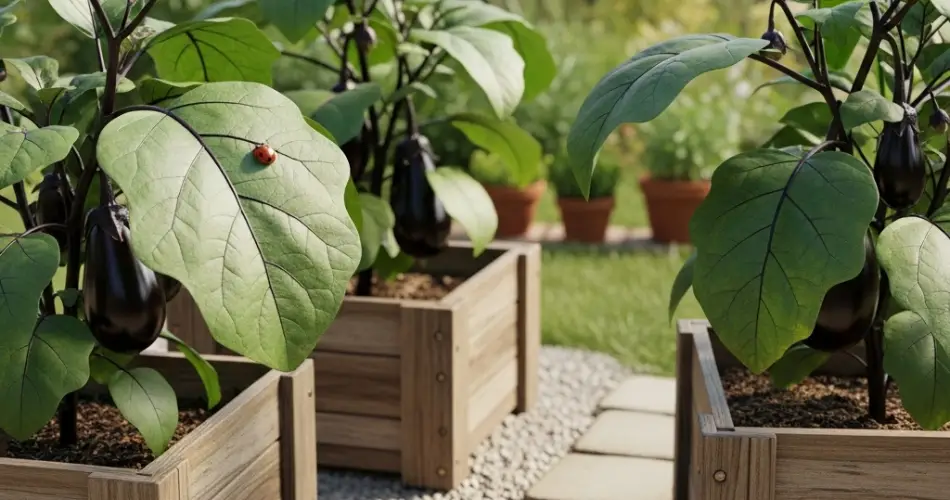
Eggplants, also known as aubergines, are a rewarding vegetable to grow at home. With their glossy purple fruits and versatile culinary uses, eggplants thrive when given the right care. For urban gardeners or those with limited space, rustic wooden containers offer an ideal way to cultivate these plants, combining practicality with charm. Here’s a step-by-step guide to growing healthy eggplants in wooden containers.
Choosing the Right Container
The first step in container gardening is selecting an appropriate wooden box or planter. Eggplants require deep containers to accommodate their root systems. A wooden container that is at least 12–18 inches deep and 12–24 inches wide per plant works best. Ensure the container has drainage holes to prevent waterlogging, which can lead to root rot. Using untreated wood, such as cedar or redwood, is ideal because these materials resist decay and are safer for food plants. If the wood is treated, ensure it’s labeled as food-safe.
Preparing the Soil
Eggplants thrive in rich, well-draining soil with a slightly acidic to neutral pH (6.0–7.0). Prepare a potting mix by combining garden soil, compost, and a small amount of sand or perlite to improve drainage. Incorporating compost not only enriches the soil with nutrients but also helps retain moisture. Fill your container, leaving about an inch from the top to allow space for watering.
Selecting Varieties
Compact or bush varieties are preferable for container gardening because they require less space and are easier to manage. Popular container-friendly varieties include ‘Patio Baby,’ ‘Little Fingers,’ and ‘Fairy Tale.’ These varieties produce smaller fruits but are flavorful and productive, making them perfect for balcony or patio gardens.
Planting Eggplants
Eggplants can be started from seeds indoors about 8–10 weeks before the last expected frost. Sow seeds in a seed-starting mix, keeping them moist and warm. Once seedlings have developed 2–3 true leaves and the outdoor temperatures are consistently above 60°F (16°C), they are ready for transplanting. Carefully transfer each seedling into your prepared wooden container, spacing plants at least 18–24 inches apart. Gently firm the soil around the roots and water thoroughly.
Watering and Fertilizing
Container-grown eggplants need consistent moisture. Water deeply whenever the top inch of soil feels dry, ensuring excess water can drain freely. Avoid overhead watering to minimize leaf diseases. Fertilization is essential for fruit production. Use a balanced organic fertilizer or compost tea every 2–3 weeks. Once the plants start flowering, switching to a fertilizer higher in phosphorus and potassium can support fruit development.
Sunlight Requirements
Eggplants are sun-loving plants and require at least 6–8 hours of direct sunlight daily. Position your wooden containers in a sunny spot, such as a balcony, patio, or south-facing window ledge. If natural sunlight is insufficient, supplemental grow lights can help maintain healthy growth and fruiting.
Supporting the Plants
As eggplants grow, their stems may become heavy with fruit. Installing small stakes or cages inside the container helps support the plants and prevents branches from breaking. Tie the stems loosely to the supports with soft garden ties, adjusting them as the plant grows.
Pest and Disease Management
Container eggplants are generally easier to manage than those in open gardens, but they can still attract pests like aphids, flea beetles, and spider mites. Inspect leaves regularly and use organic remedies, such as neem oil or insecticidal soap, to control infestations. Maintaining good air circulation around the plants and avoiding water on leaves reduces the risk of fungal diseases.
Harvesting
Eggplants are ready to harvest when their fruits are firm, glossy, and reach the mature size typical for the variety you planted. Do not wait until the skin dulls or the fruit becomes overly large, as this can lead to bitter taste and tough texture. Use a sharp knife or garden shears to cut the fruit, leaving a short stem attached.
Enjoying Your Homegrown Eggplants
Growing eggplants in rustic wooden containers allows you to enjoy fresh, homegrown produce even in limited spaces. With proper care, these plants will produce a continuous harvest throughout the growing season, adding both beauty and flavor to your home garden. From delicious roasted dishes to savory stews, container-grown eggplants provide endless culinary possibilities.
By choosing the right container, maintaining fertile soil, providing adequate sunlight, and managing pests, you can successfully cultivate eggplants in wooden planters. This method not only maximizes space but also brings a rustic charm to your garden setup, making it a rewarding project for urban and home gardeners alike.


