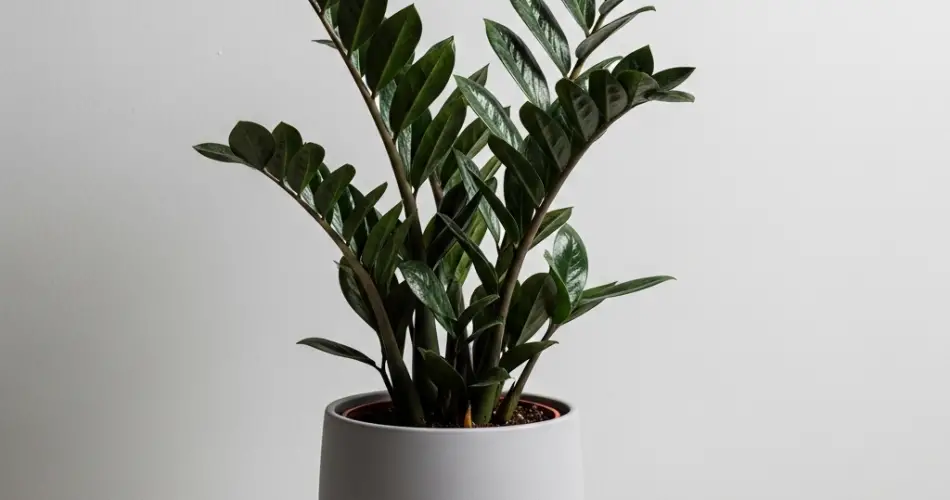
The ZZ plant (Zamioculcas zamiifolia) is known for its durability, low maintenance, and beautiful glossy leaves. It’s a favorite among indoor gardeners because it tolerates low light and infrequent watering. However, despite its reputation, many ZZ plant owners encounter periods when their plant suddenly stops growing or appears stagnant. If your ZZ plant has stopped thriving and isn’t showing signs of new growth, understanding the causes and how to fix them can bring your plant back to life.
Common Reasons Why Your ZZ Plant Stalls Growth
Several factors can cause a ZZ plant to slow down or stop growing altogether. Identifying the root cause is key to correcting the issue:
-
Insufficient Light
Although ZZ plants tolerate low light, they still need some indirect bright light to grow actively. A plant kept in deep shade or far from windows may survive but won’t develop new leaves or stems. -
Overwatering or Underwatering
ZZ plants store water in their thick rhizomes and prefer dry conditions. Overwatering causes root rot, which severely impacts growth. Underwatering, on the other hand, stresses the plant and slows down development. -
Nutrient Deficiency
Potted plants eventually exhaust the nutrients in their soil. If you haven’t fertilized your ZZ plant in a while, the lack of essential nutrients can halt growth. -
Pot Bound Roots
If the ZZ plant has been in the same pot for several years, roots may become cramped and unable to expand. This restricts the plant’s access to nutrients and water, limiting growth. -
Poor Soil Drainage
Soil that retains too much moisture or compacts over time leads to poor aeration and root health, stunting growth. -
Incorrect Temperature and Humidity
ZZ plants thrive in warm, moderately humid environments. Temperatures below 15°C (59°F) or excessively dry air can slow their metabolism. -
Pests and Diseases
Though resistant, ZZ plants can occasionally suffer from pests like spider mites or fungal infections, which sap the plant’s energy.
How to Fix a ZZ Plant That Refuses to Grow
Once you’ve identified possible causes, here’s how to address each issue and help your ZZ plant regain healthy growth:
1. Improve Lighting Conditions
Move your ZZ plant closer to a window where it receives bright, indirect sunlight. East- or north-facing windows are ideal. If natural light is insufficient, consider using a grow light to supplement.
2. Adjust Watering Routine
Allow the soil to dry out between waterings. Check the top 3-5 cm (1–2 inches) of soil—if it feels dry, it’s time to water. Avoid leaving the plant sitting in water or overly moist soil. Use pots with drainage holes to prevent waterlogging.
3. Feed Your Plant
Fertilize your ZZ plant every 4-6 weeks during the growing season (spring and summer) with a balanced, diluted liquid fertilizer. This provides essential nitrogen, phosphorus, and potassium to promote leaf and root growth.
4. Repot If Root Bound
If roots are circling the inside of the pot or growing out of drainage holes, it’s time to repot. Choose a container one size larger with good drainage, and use fresh, well-draining potting mix designed for houseplants.
5. Improve Soil Quality
Use a lightweight, airy potting mix with good drainage. Adding perlite or orchid bark can improve aeration and prevent compaction, encouraging healthy root growth.
6. Maintain Ideal Temperature and Humidity
Keep your ZZ plant in a warm room with temperatures ideally between 18–24°C (65–75°F). Avoid cold drafts and sudden temperature changes. If your home is dry, increase humidity with a pebble tray or a humidifier.
7. Inspect and Treat Pests
Regularly check for signs of pests such as tiny webs, discolored spots, or sticky residue. Use insecticidal soap or neem oil as a safe treatment if pests are found. Remove any dead or yellowing leaves to prevent fungal issues.
Extra Tip: Use Nutrient Capsules for Faster Growth
One effective way to boost your ZZ plant’s growth is by adding a nutrient capsule to your watering routine. Dissolve one plant nutrient capsule in a liter of water and use this solution to water your ZZ plant once every watering cycle during the growing season. This delivers a steady supply of vital nutrients that support new leaf and root development, helping your plant bounce back faster.
Signs of Recovery to Watch For
After implementing these fixes, your ZZ plant should begin to show positive signs within a few weeks:
-
New shoots and leaves start to emerge
-
Leaves regain their glossy, deep green color
-
The plant appears fuller and healthier
-
Roots look firm and white when checked during repotting
Patience is important; ZZ plants grow slowly by nature, so even with proper care, growth may be gradual.
Final Thoughts
If your ZZ plant isn’t growing anymore, don’t give up. Most growth problems can be reversed with proper care adjustments. Improving lighting, adjusting watering habits, feeding the plant, and repotting when necessary will help your ZZ plant thrive again.
Remember, the ZZ plant’s resilience means that with a little attention and the right conditions, it can bounce back to become the lush, attractive houseplant you love.


