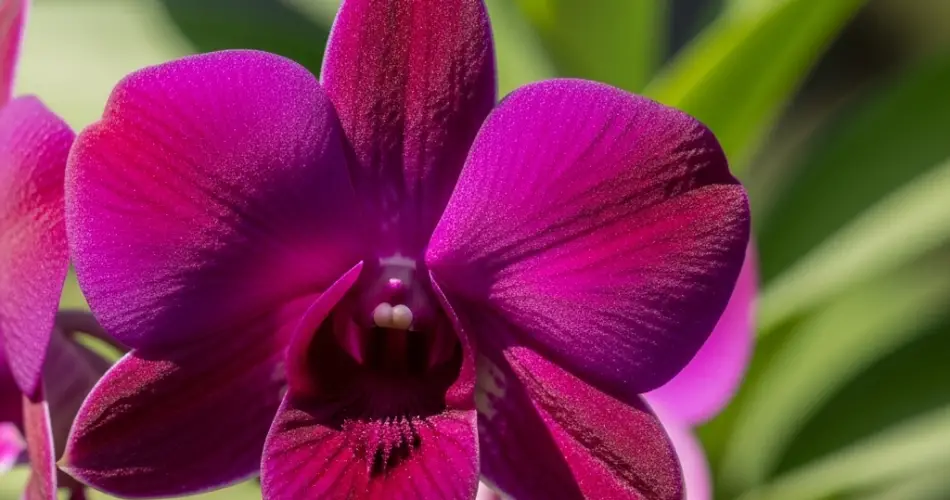
Orchids are renowned for their stunning, delicate flowers that bring elegance and beauty to any home. However, once an orchid has finished blooming, many growers face the challenge of encouraging it to flower again. It’s common for orchids to enter a resting phase after flowering, during which they focus on growth and recovery rather than producing new blooms. This can lead to frustration for enthusiasts eager to see their plants burst into color repeatedly.
Fortunately, there is an amazing remedy that can help your orchid bloom again after its flowering period. This simple yet effective approach encourages new flower stalk development, revitalizes the plant, and can extend the blooming season. Let’s explore how you can make your orchids bloom again with just a few care adjustments and a natural treatment.
Why Do Orchids Stop Blooming?
Understanding why orchids cease to flower after blooming helps explain how to trigger new blooms. Typically, orchids require a period of rest to recharge. During this time:
-
The plant focuses on building strong roots and leaves.
-
It stores energy for the next flowering cycle.
-
Environmental conditions such as temperature, light, and humidity influence blooming.
However, if orchids don’t receive the right signals or nutrients, they may stay in dormancy for extended periods or produce weak flowers.
The Secret to Making Orchids Bloom Again
The key to encouraging repeat blooming lies in stimulating new flower spike growth. One highly effective remedy involves using a natural, gentle fertilizer combined with proper environmental conditions to trigger the plant’s blooming cycle.
This remedy focuses on:
-
Supplying essential nutrients: Phosphorus and potassium are critical for flower production. These nutrients promote the development of flower stalks and help the plant allocate resources towards blooming rather than just foliage.
-
Improving root health: Healthy roots absorb more nutrients and water, supporting vigorous growth and flower development.
-
Optimizing care conditions: Adjusting watering, light, and temperature helps signal the orchid to start a new flowering phase.
How to Apply the Amazing Remedy
Follow these steps to revive your orchid and encourage it to bloom again:
1. Use a Specialized Orchid Fertilizer
Choose a fertilizer formulated for orchids with a balanced ratio that includes phosphorus (P) and potassium (K), such as a 10-30-20 mix. Avoid high nitrogen fertilizers as they tend to promote leaf growth at the expense of flowers.
Apply this fertilizer once a month during the growing season. Using slow-release fertilizer pills or diluted liquid fertilizer during watering works well.
2. Provide Proper Watering
Orchids dislike overwatering. After blooming, reduce watering slightly to mimic their natural resting phase but don’t let the plant dry out completely.
Water only when the potting medium feels dry to the touch, typically every 7-10 days. Ensure the pot drains well to prevent root rot.
3. Adjust Light Exposure
Orchids need bright, indirect light to bloom well. After flowering, place your orchid near a window where it receives plenty of filtered sunlight but is protected from direct harsh rays.
Too little light can delay flowering, while too much sun can scorch the leaves.
4. Manage Temperature and Humidity
Maintain daytime temperatures around 70-80°F (21-27°C) and nighttime temperatures slightly cooler, around 60-65°F (15-18°C). Orchids often respond to cooler night temperatures by initiating flower spikes.
Keep humidity between 50-70% using humidity trays, misting, or a humidifier.
Additional Tips for Encouraging Repeat Blooming
-
Prune old flower stalks: After the blooms fade, trim flower spikes back to the base to encourage new growth.
-
Repot if necessary: Refresh potting medium every 1-2 years to provide good aeration and nutrients.
-
Avoid stress: Keep the orchid in a stable environment without sudden changes in light, temperature, or water.
What Results to Expect
With consistent application of this remedy and good orchid care, you can expect:
-
Development of new flower spikes within weeks to a couple of months.
-
Healthier, more vibrant leaves and roots supporting sustained flowering.
-
Multiple blooming cycles per year, extending the orchid’s display of beauty.
Why This Remedy Works So Well
By combining proper nutrients, balanced watering, and ideal environmental conditions, this approach mimics the orchid’s natural cues to bloom again. The slow-release fertilizer provides the necessary phosphorus and potassium for flower production, while careful watering prevents root stress. Adjusting light and temperature encourages the plant to shift from resting to flowering mode.
Conclusion
If you’ve been wondering how to make your orchid bloom again after flowering, this amazing remedy can be the solution you need. By using specialized fertilizer, adjusting care routines, and paying attention to environmental factors, you can encourage your orchid to produce new flower stalks and enjoy its stunning blooms multiple times a year.
With patience and consistent care, your orchid will reward you with renewed vitality and beauty, brightening your home and delighting you season after season.


