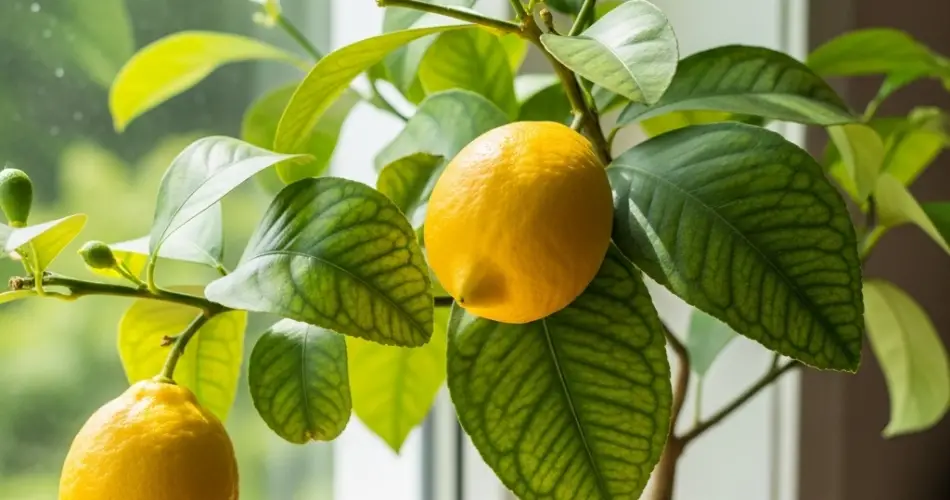
A healthy lemon tree full of vibrant green leaves but without any fruit can be frustrating for any gardener. Whether you’ve been nurturing your tree in a pot or in your garden soil, there are several reasons why it might not be producing lemons. Let’s explore the most common causes and what you can do to encourage fruiting.
1. Your Tree Is Too Young
Lemon trees, like all citrus varieties, need time to mature before they can produce fruit. If your tree is under 3 years old, it may still be in its juvenile phase. Young trees often focus their energy on developing a strong root system and leafy growth before investing in flowers and fruit. Patience is key—once the tree matures, it will begin to bloom and fruit naturally.
Tip: If you’re buying a lemon tree from a nursery, look for a grafted tree that’s already 2–3 years old to shorten the wait.
2. Lack of Sunlight
Lemon trees are sun-loving plants and need at least 6–8 hours of full sunlight each day to thrive and produce fruit. Without enough light, the tree may look healthy but won’t develop flowers or fruit.
What to do: If your lemon tree is in a pot, try moving it to the sunniest location available. For in-ground trees, consider trimming nearby trees or shrubs that cast too much shade.
3. Improper Watering
Both underwatering and overwatering can stress your lemon tree and prevent it from flowering. Consistency is vital—lemon trees prefer deep but infrequent watering that allows the soil to dry out slightly between waterings.
Signs of trouble: Yellowing leaves can signal either too much or too little water. Always check the soil moisture 2–3 inches below the surface before watering again.
4. Nutrient Imbalance
Fertilizer plays a major role in citrus fruit production. If your lemon tree receives too much nitrogen, it will prioritize leaf and branch growth over flowers. On the other hand, a lack of phosphorus and potassium—nutrients essential for blooming and fruiting—can also be the culprit.
Solution: Use a citrus-specific fertilizer or a balanced NPK formula such as 6-6-6 or 8-8-8. In spring and summer, feed monthly. In fall and winter, reduce or stop feeding.
5. Lack of Pollination
If your lemon tree blooms but doesn’t set fruit, it may be due to poor pollination. Although lemon trees are self-pollinating, bees and other insects help increase fruit set. Indoor trees or those grown in still environments may lack this natural pollination boost.
Fix: Hand-pollinate by gently transferring pollen between flowers using a small brush or cotton swab. Also, encourage pollinators by growing flowering plants nearby or placing your tree outside when it’s in bloom.
6. Pruning Issues
Improper pruning can lead to reduced fruit production. While pruning helps maintain the shape and health of the tree, removing too many branches or cutting at the wrong time can remove flower buds before they have a chance to bloom.
Best practices: Prune lemon trees in late winter or early spring before new growth begins. Focus on removing dead or crossing branches while leaving healthy, outward-facing shoots.
7. Pests and Diseases
Some pests, such as aphids, scale, or spider mites, can stress the tree and interfere with flowering. Diseases like citrus canker or root rot can also affect overall health and fruiting.
What to watch for: Sticky leaves, yellow spots, and visible insects are common signs. Use organic pest controls like neem oil or insecticidal soap. Always ensure good air circulation and proper drainage to prevent disease.
8. Temperature Stress
Lemon trees are sensitive to cold temperatures. Exposure to frost or chilly drafts can damage flower buds or prevent them from forming altogether. Similarly, extremely hot, dry conditions can also inhibit blooming.
Tip: Keep potted lemon trees indoors or in a protected spot during cold weather. During summer, make sure they have enough water and partial shade during the hottest part of the day if necessary.
9. Container Constraints
If your lemon tree is grown in a pot, make sure the container isn’t too small. Root-bound trees may become stressed and less productive.
Upgrade advice: Re-pot your lemon tree every 2–3 years into a slightly larger container with fresh, well-draining citrus potting mix.
Final Thoughts
A lemon tree that isn’t producing fruit is often trying to tell you it needs something—more light, better nutrients, pollination help, or simply time to mature. By identifying and addressing these common issues, you’ll be well on your way to harvesting your own juicy lemons. With the right care, your tree will soon reward you with fragrant blossoms and plenty of fruit.


