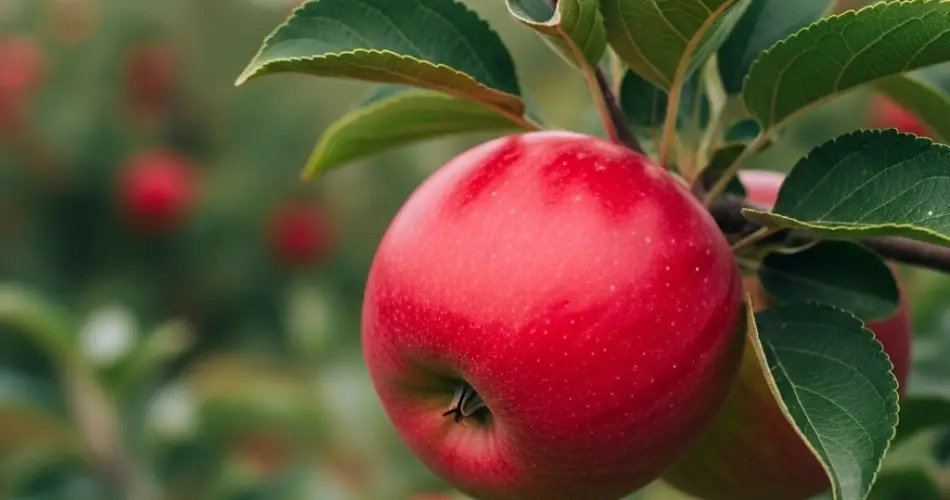
Apple trees are a favorite among home gardeners and orchard enthusiasts, offering not just delicious fruit but also a charming addition to the landscape. However, growing healthy apple trees requires more than just good soil and sunlight—it also involves creating a balanced ecosystem that supports their growth. Companion planting is a natural and effective way to protect apple trees from pests, improve pollination, enrich the soil, and boost overall productivity.
Here are the best companion plants you can grow near your apple trees and the benefits they bring to your orchard.
1. Chives and Garlic – Natural Pest Repellents
Both chives and garlic belong to the allium family and are known for their strong aroma, which helps repel common apple tree pests such as aphids, codling moths, and apple maggots. Planting chives around the base of your apple trees can reduce pest infestations while also deterring fungal diseases like apple scab.
Garlic, in particular, releases sulfur compounds into the soil, which can inhibit the growth of certain harmful fungi and bacteria. These plants are low maintenance and won’t compete heavily with apple trees for nutrients.
2. Comfrey – A Nutrient Booster
Comfrey is one of the best dynamic accumulators you can grow in an orchard. It has deep taproots that draw nutrients such as potassium, calcium, and magnesium from the subsoil and make them available to nearby plants as the leaves decompose. When comfrey leaves are chopped and laid around apple trees as mulch, they slowly release these nutrients back into the soil.
Additionally, comfrey attracts pollinators and beneficial insects like predatory wasps, which help control pests naturally.
3. Dill and Fennel – Allies in Pest Control
Dill and fennel are both members of the carrot family and attract a variety of beneficial insects, including ladybugs, lacewings, and hoverflies. These insects prey on aphids, caterpillars, and other common apple tree pests.
While fennel can be somewhat aggressive and is best planted at a slight distance from apple trees, dill can be safely tucked into garden beds nearby. Allow these herbs to flower for maximum insect attraction.
4. Calendula and Nasturtium – Traps and Diversions
These colorful flowering plants don’t just add beauty to the orchard; they serve a practical purpose too. Calendula, or pot marigold, attracts aphids and other pests away from apple trees. It also draws in pollinators, enhancing fruit set.
Nasturtiums work similarly, acting as a trap crop for aphids, beetles, and other sap-sucking insects. Their sprawling nature makes them a good living mulch to suppress weeds and retain soil moisture around apple trees.
5. Clover – Ground Cover and Soil Builder
White clover is a fantastic companion for apple trees due to its nitrogen-fixing ability. It pulls nitrogen from the air and converts it into a form plants can use, naturally fertilizing the soil. Clover also acts as a living mulch, reducing weed growth, retaining moisture, and preventing soil erosion.
Planting clover between rows of apple trees or around their bases creates a lush, green carpet that supports beneficial soil life and improves fertility over time.
6. Yarrow – Pollinator Magnet and Soil Improver
Yarrow is a perennial herb with umbrella-shaped flower clusters that attract bees, butterflies, and parasitic wasps. These beneficial insects not only improve pollination but also help control pest populations.
Yarrow is also known to enhance the aromatic oils of nearby plants and can improve soil health when used as green mulch. It thrives in poor soil conditions and doesn’t compete heavily with fruit trees.
7. Chamomile – Gentle Protector
Chamomile may seem delicate, but it plays a powerful role in the apple tree guild. It has mild antifungal properties and can help prevent damping-off disease in young seedlings. When planted nearby, it improves the health of surrounding plants and draws in pollinators like bees.
Additionally, chamomile flowers can be harvested for tea, making it a beneficial multi-purpose herb for the garden.
8. Dandelions – Early Spring Pollinator Support
While often considered weeds, dandelions provide nectar for bees early in the season—sometimes before apple trees even start to flower. Keeping a few dandelions around can support local pollinator populations, which are essential for apple tree fruit production.
Their long taproots also help break up compacted soil and draw up nutrients that benefit nearby trees.
Final Tips for Successful Companion Planting
When choosing companion plants for your apple trees, aim for diversity. A mix of herbs, flowers, and ground covers can offer layered protection and improve overall tree health. Ensure that the plants you choose don’t compete too aggressively for water or nutrients and that they are suited to your climate and soil conditions.
By incorporating companion plants around your apple trees, you create a mini-ecosystem that encourages balance, supports natural pest control, and enhances fruit yield—leading to healthier trees and a more productive garden.


