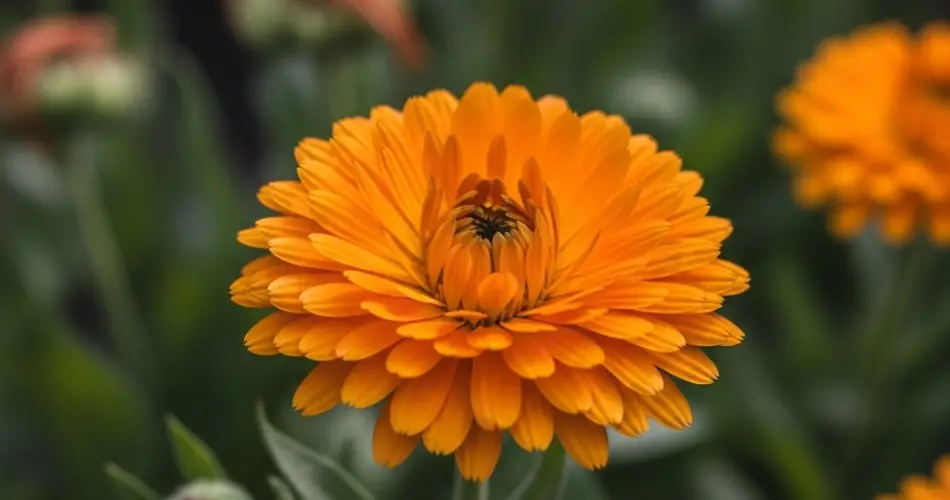
Calendula, often known as pot marigold (Calendula officinalis), is more than just a vibrant, eye-catching flower. Behind its sunny petals lies a powerful ally for your health, garden, and even your skincare routine. Whether planted in the garden, grown in pots on a balcony, or harvested for homemade remedies, calendula is a flower worth including in any home environment.
Let’s explore the wide-ranging benefits and practical uses of this amazing plant and why every gardener—urban or rural—should consider growing it.
A Flower with Ancient Roots
Calendula has been cherished since ancient times for its medicinal properties. It was used by Greeks and Romans for treating wounds, by medieval monks in herbal balms, and is still a trusted plant in natural remedies today. Its active compounds—flavonoids, triterpenoids, and carotenoids—are responsible for its healing, anti-inflammatory, and antibacterial effects.
But calendula isn’t just a plant of the past. It’s highly relevant in modern gardening, home health, and even cooking.
1. A Natural Healing Herb
Calendula’s most celebrated benefit is its healing ability. The flower contains powerful natural compounds that soothe irritated skin and speed up tissue regeneration. It’s commonly used in:
-
Homemade salves and balms for cuts, scrapes, insect bites, and burns
-
Soothing creams for diaper rash, eczema, and sensitive skin
-
Natural mouthwashes to treat gum inflammation or sore throats
-
Calendula-infused oils to calm dry, itchy skin
To make calendula oil, simply dry the petals and steep them in olive oil for a few weeks. The resulting oil can be used directly or incorporated into lotions and creams.
2. Anti-Inflammatory and Antimicrobial Properties
Studies show that calendula has natural anti-inflammatory, antifungal, and antibacterial qualities. It can be used to:
-
Disinfect minor wounds
-
Soothe inflamed skin conditions
-
Help fight fungal infections such as athlete’s foot or ringworm
-
Relieve symptoms of sunburn and acne
When used as a tea or mouth rinse, it can also support oral hygiene and digestive health.
3. Skin and Hair Care Booster
Calendula’s gentle, non-irritating nature makes it ideal for sensitive skin. You’ll often find calendula listed in the ingredients of natural skincare and hair products. At home, you can prepare:
-
Calendula facial toners to reduce redness
-
Shampoos or rinses that add shine and calm scalp irritation
-
Face masks with calendula powder for glowing skin
It’s a soothing addition to baths and foot soaks, too.
4. A Garden Protector and Pollinator Magnet
Aside from its medicinal qualities, calendula is an excellent companion plant in any garden. It attracts pollinators like bees and butterflies while also repelling common pests such as aphids, whiteflies, and nematodes.
Its natural pest-repelling properties make it especially useful when planted near vegetables like tomatoes, peppers, and beans. Calendula’s roots also help improve soil health, making it an all-around beneficial addition to your garden bed or container setup.
5. Edible and Nutritious
Did you know calendula is edible? The petals can be used fresh or dried in a variety of culinary applications. They add both color and a slightly spicy, peppery flavor to dishes.
Try calendula in:
-
Salads
-
Soups
-
Rice dishes
-
Infused teas or cold drinks
-
Garnishes for cakes and desserts
The flowers contain antioxidants, especially beta-carotene, which can contribute to eye health and immune support when consumed regularly.
6. Easy to Grow and Maintain
Calendula thrives in a wide range of conditions. It can grow in pots, garden beds, or raised planters. Here’s what you need to know:
-
Sunlight: Prefers full sun but tolerates partial shade
-
Water: Moderate watering; allow soil to dry slightly between watering
-
Soil: Well-drained, average soil enriched with compost
-
Harvesting: Flowers can be harvested as soon as they bloom; regular harvesting encourages more flowering
Calendula is also known to reseed itself, so once you plant it, you may enjoy it year after year with minimal effort.
How to Use Calendula at Home
To make calendula tea:
-
Use 1–2 teaspoons of dried petals per cup of hot water
-
Steep for 10–15 minutes
-
Drink to soothe digestion or use as a facial steam or mouth rinse
To make a basic salve:
-
Steep dried petals in a carrier oil (like olive or almond) for 2–3 weeks
-
Strain and mix the infused oil with melted beeswax
-
Pour into containers and use as a topical balm
Final Thoughts
Calendula is far more than a pretty flower. It’s a healing powerhouse, a loyal garden companion, a pollinator magnet, and even a healthy culinary ingredient. Whether you’re interested in natural skincare, herbal remedies, or just want a beautiful plant that earns its keep, calendula is a must-have in any home or garden.
Add it to your planting list this season, and you’ll quickly see why it’s been treasured for centuries.


