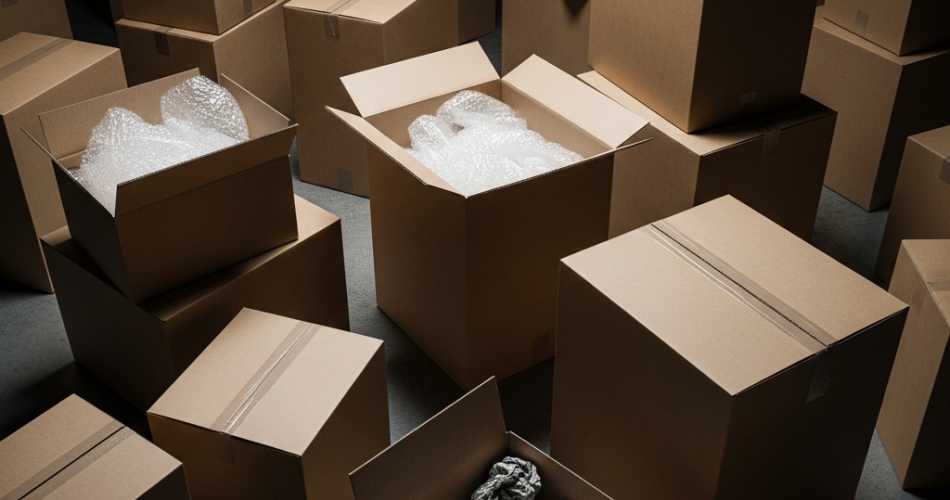
In today’s eco-conscious world, repurposing everyday items for sustainable living has become increasingly popular. One such innovative approach is converting discarded cardboard boxes into functional planters for urban gardening. This method not only reduces waste but also offers a cost-effective solution for cultivating plants in limited spaces.
Why Choose Cardboard Boxes for Gardening?
Cardboard boxes, often seen as mere packaging waste, possess qualities that make them ideal for gardening:
-
Biodegradability: Cardboard decomposes naturally, enriching the soil with organic matter.
-
Accessibility: With the surge in online shopping, cardboard boxes are readily available in most households.
-
Cost-Effective: Utilizing cardboard reduces the need to purchase traditional pots or planters.
-
Customizable: Boxes can be tailored to fit specific spaces, making them perfect for balconies or small patios.
Step-by-Step Guide to Creating Cardboard Box Planters
Materials Needed:
-
Sturdy cardboard boxes (preferably corrugated)
-
Duct tape or packing tape
-
Scissors or a box cutter
-
Plastic liners or garbage bags (optional)
-
Potting soil
-
Seeds or seedlings of your choice
Instructions:
-
Select Appropriate Boxes: Choose boxes that are free from contaminants and have not been treated with chemicals.
-
Reinforce the Structure: Use duct tape to strengthen the bottom and sides of the box, ensuring it can hold soil without collapsing.
-
Create Drainage Holes: Puncture small holes at the base to allow excess water to escape, preventing root rot.
-
Optional Lining: Line the interior with a plastic sheet to prolong the box’s lifespan. Ensure holes are made in the liner to align with the box’s drainage.
-
Add Soil: Fill the box with potting soil, leaving about an inch from the top.
-
Plant Your Greens: Introduce your chosen seeds or seedlings, following recommended spacing guidelines.
-
Positioning: Place the planter in a location that receives adequate sunlight based on the plant’s requirements.
Benefits of Using Cardboard Planters
-
Eco-Friendly: Reduces landfill waste by repurposing materials.
-
Space-Saving: Ideal for urban dwellers with limited gardening space.
-
Educational: Offers a hands-on learning experience about sustainability and plant growth.
-
Flexibility: Easy to move and rearrange based on sunlight and weather conditions.
Tips for Success
-
Monitor Moisture Levels: Cardboard can absorb water, so ensure consistent watering without over-saturating.
-
Regular Maintenance: Check for signs of wear or degradation, replacing boxes as needed.
-
Seasonal Planting: Align your planting schedule with seasonal changes to maximize yield.
-
Pest Management: Keep an eye out for pests and implement natural deterrents when necessary.
Expanding Your Urban Garden
Once you’ve mastered the basics, consider diversifying your garden:
-
Vertical Gardening: Stack boxes or use wall-mounted setups to grow climbing plants.
-
Companion Planting: Grow plants that benefit each other when planted together.
-
Herb Gardens: Cultivate a variety of herbs for culinary use.
-
Themed Gardens: Design boxes based on themes, such as a salad garden with lettuce, tomatoes, and cucumbers.
Embracing the practice of turning cardboard boxes into planters not only promotes sustainability but also brings the joy of gardening to urban settings. With creativity and care, these humble boxes can transform into lush, green sanctuaries amidst the concrete jungle.


