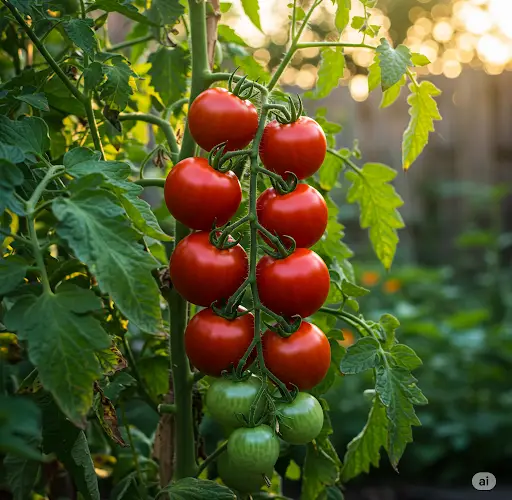
Tomato plants are a staple in many home gardens due to their versatility and rewarding yields. However, gardeners often encounter a common issue: twisted or curled leaves. While it may seem alarming at first, in most cases, this problem is relatively easy to fix—once you understand what’s causing it.
Leaf curl or twisting in tomato plants can result from environmental stress, nutritional imbalances, pests, or diseases. The key to solving the issue is to identify the root cause and take appropriate action early. Here’s a guide to help you understand why tomato leaves twist and how to restore your plants to full health.
Common Causes of Twisting Tomato Leaves
1. Environmental Stress
One of the most frequent causes of leaf curling is stress from temperature fluctuations, strong winds, or irregular watering. When a tomato plant experiences heat or drought stress, it often curls its leaves inward to reduce water loss and protect itself.
How to fix it:
-
Ensure consistent watering. Keep the soil evenly moist but not soggy.
-
Mulch around the plants to retain moisture and regulate temperature.
-
Protect young plants from wind using a temporary barrier or row cover.
-
Avoid overexposure to direct sun during extreme heat by providing partial shade in the hottest part of the day.
2. Overwatering or Poor Drainage
Too much water can be just as harmful as too little. When roots stay waterlogged, they can’t take in oxygen properly, leading to symptoms like twisted leaves, yellowing, and poor growth.
Solution:
-
Check if the soil is draining properly.
-
Water only when the top inch of soil feels dry.
-
Use raised beds or well-draining soil if your garden tends to hold moisture.
3. Nutrient Imbalance
Tomatoes are heavy feeders and require a balance of nutrients to grow properly. A deficiency or excess of certain elements—especially nitrogen—can cause abnormal leaf growth.
Nitrogen excess often results in fast, lush foliage that curls and twists.
How to correct it:
-
Use a balanced fertilizer (e.g., 10-10-10 or organic compost).
-
Avoid overfeeding with high-nitrogen fertilizers, especially early in the season.
-
Consider a soil test to better understand which nutrients are lacking or in excess.
4. Pests (Especially Aphids)
Small sap-sucking insects like aphids, whiteflies, and thrips can distort leaves, making them curl or twist unnaturally. These pests feed on plant juices and often hide on the underside of leaves.
What to do:
-
Inspect your plants regularly for pests, especially on new growth.
-
Spray affected plants with soapy water (1 tablespoon dish soap per liter of water).
-
Introduce beneficial insects like ladybugs, which feed on aphids.
-
Use neem oil or other organic insecticides if infestations are heavy.
5. Herbicide Damage
If herbicides drift from neighboring areas or are applied improperly, they can cause tomato leaves to twist, curl, or become deformed. This is known as herbicide drift injury and is unfortunately irreversible in most cases.
Prevention:
-
Avoid using weed killers near vegetable gardens.
-
If you use compost, ensure it’s free from herbicide residues.
-
Choose organic mulch and compost from trusted sources.
Is It a Disease?
In rare cases, leaf curl can be caused by viral infections like tomato yellow leaf curl virus (TYLCV). These diseases are typically spread by whiteflies and result in curled, discolored, and stunted leaves. Unlike environmental causes, viral diseases cannot be cured.
What to do:
-
Remove and destroy affected plants to prevent spread.
-
Control whiteflies with insecticidal soap or neem oil.
-
Avoid planting tomatoes in the same location for the next season (crop rotation).
Best Practices to Prevent Leaf Curl
-
Consistent care is key. Avoid dramatic changes in watering, lighting, and feeding.
-
Use mulch to regulate moisture and prevent soil temperature swings.
-
Stake or cage your plants to improve air circulation and reduce disease risk.
-
Fertilize moderately, adjusting the nutrients according to the plant’s stage of growth.
-
Monitor regularly for pests, signs of nutrient stress, or environmental damage.
Final Thoughts
Twisted tomato leaves can be a sign of minor stress or an early warning of a more serious issue—but in most cases, it’s easy to fix with a few changes in care. Once you’ve identified the cause, whether it’s watering, pests, or nutrients, you can quickly get your tomato plants back on track.
Healthy, straight leaves are a sign of strong, productive plants. By maintaining consistent growing conditions and staying vigilant, you’ll enjoy a lush, thriving tomato harvest in no time.


