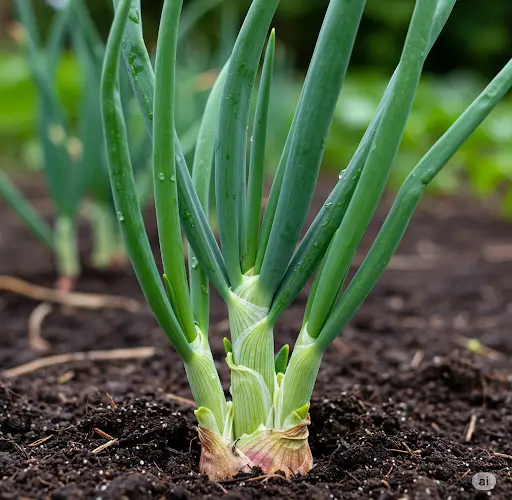
Healthy roots are the foundation of any strong plant, and this is especially true for onions. Whether you’re growing onions from seeds, sets, or transplants, taking early steps to strengthen their root systems can lead to larger, more vigorous bulbs and a significantly better harvest.
Many gardeners overlook the importance of root development in onion seedlings. However, with a few simple techniques and a natural feeding strategy, you can encourage robust roots that will support long-lasting growth, disease resistance, and an impressive yield.
Here’s a proven method to ensure your onion seedlings grow a strong and healthy root system right from the start.
Why Root Strength Matters in Onions
Unlike some other vegetables, onions rely heavily on their root systems to support the development of their bulbs. Weak or shallow roots often result in underdeveloped onions that are prone to pests, rot, and nutrient deficiencies. Strong roots not only absorb more water and nutrients but also anchor the plant more effectively, allowing the bulb to grow large and uniformly.
Building a good root system begins early, and the techniques you use when your seedlings are still small can make a big difference later in the season.
The Key Technique: Root Pruning and Feeding
A simple yet powerful method to stimulate root growth in onion seedlings involves two steps: gentle root pruning and applying a natural, balanced fertilizer that supports root development.
Step 1: Trim the Seedling Tops
When onion seedlings are around 10–12 cm (4–5 inches) tall, give them a “haircut.” Trim the green tops down to 7–8 cm (about 3 inches). This technique redirects the plant’s energy from top growth to root development. It also helps thicken the stems and prevent the plants from becoming leggy or top-heavy.
You can repeat this light trimming every couple of weeks until the seedlings are ready to transplant. Don’t worry — the green shoots will grow back quickly, and the roots will become denser and stronger with each cut.
Step 2: Apply a Root-Boosting Fertilizer
To support the pruned seedlings and enhance root growth, feed them with a simple homemade solution rich in phosphorus — a key nutrient for roots.
You’ll need:
-
1 teaspoon of superphosphate (or bone meal as an organic alternative)
-
1 liter of warm water
Instructions:
-
Dissolve the superphosphate or bone meal in warm water.
-
Let the solution sit for 12–24 hours so the nutrients can activate.
-
Strain if necessary, then apply at the base of the seedlings — not directly on the leaves.
Phosphorus stimulates strong root growth and supports the development of healthy root hairs, which are vital for absorbing nutrients from the soil.
You can repeat this feeding once every 10–14 days during the seedling phase.
Tips for Growing Robust Onion Seedlings
Beyond trimming and feeding, several additional care practices can help your onion seedlings develop strong roots and grow into productive plants.
1. Use Loose, Well-Draining Soil
Onion roots are fine and sensitive. A loose soil mix enriched with compost and a bit of sand helps roots grow freely and prevents compaction. Avoid dense soils that hold too much moisture.
2. Maintain Moderate Moisture
Keep the soil evenly moist, but not soggy. Overwatering can lead to fungal problems and rot. Water when the top 1–2 cm (about 0.5–1 inch) of soil feels dry to the touch.
3. Provide Adequate Light
Onion seedlings need 12–14 hours of light daily. If growing indoors, consider using full-spectrum grow lights to ensure consistent growth and prevent stretching.
4. Harden Off Before Transplanting
Before moving your seedlings outdoors, gradually expose them to sunlight, wind, and cooler air for 7–10 days. This helps prevent transplant shock and encourages root acclimation.
After Transplanting: Encourage Even More Root Growth
Once your onion seedlings are planted in the garden, continue feeding them with phosphorus-rich solutions every few weeks. Mulch around the base with compost or straw to retain moisture and regulate soil temperature.
Avoid nitrogen-heavy fertilizers at this stage, as they can promote excess leaf growth at the expense of bulb and root development.
Final Thoughts
The success of your onion crop largely depends on the health and strength of your seedlings’ roots. By regularly trimming the tops and feeding the roots with phosphorus-rich solutions, you help establish a solid foundation for strong bulbs and high yields.
These easy, natural steps can be applied not just to onions, but to other bulb vegetables and many garden plants. Strong roots equal strong plants — and a garden that thrives.
Try this method this season and watch your onions grow healthier and produce larger, tastier bulbs than ever before.


