Urban gardening is on the rise, offering city dwellers the opportunity to grow fresh produce and herbs in small spaces such as balconies, patios, and even sunny windowsills. One of the best herbs for beginner and experienced urban gardeners alike is chives. These versatile, low-maintenance plants bring beauty, flavor, and practicality to any small-scale garden setup.
In this article, we’ll explore why chives are an ideal choice for urban gardening, including their growing habits, culinary benefits, ease of care, and space-saving nature.
Compact and Space-Efficient
One of the biggest challenges in urban gardening is limited space. Whether you’re working with a small balcony, windowsill, or rooftop garden, chives are the perfect solution.
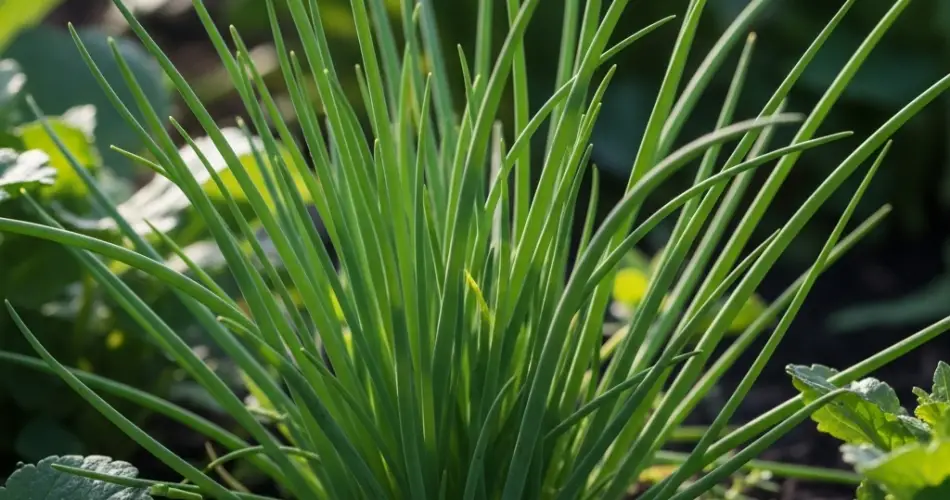
Chives grow in tidy clumps that stay compact and upright, making them well-suited for containers. A single pot can hold multiple chive plants without crowding, and they don’t require deep soil, so they can even be grown in shallow containers or vertical planters. This makes them an excellent choice for apartment dwellers or anyone working with minimal space.
Easy to Grow and Low Maintenance
Chives are one of the easiest herbs to grow, which makes them ideal for beginner gardeners. They’re hardy perennials, meaning they return year after year with very little effort. Once established, they require minimal maintenance.
Chives thrive in well-draining soil and prefer full sun, but they can also tolerate partial shade. They’re drought-tolerant and only need moderate watering—just enough to keep the soil from drying out completely. In fact, overwatering is one of the few ways to harm them.
They also have a natural resistance to many pests and diseases, which makes them a trouble-free addition to your garden. Even in crowded urban environments, chives typically stay healthy and vigorous.
Perfect for Containers
Chives grow very well in pots and containers, making them a favorite among urban gardeners. You don’t need a garden bed or a large outdoor space—just a sunny windowsill, balcony ledge, or even a hanging basket will do.
To grow chives in a container:
-
Choose a pot with good drainage holes.
-
Use light, well-draining potting mix.
-
Water when the top inch of soil feels dry.
-
Ensure the plant receives at least 4–6 hours of sunlight per day.
Container-grown chives are easy to move, allowing you to bring them indoors during cold weather or reposition them for better sun exposure as the seasons change.
Versatile and Tasty in the Kitchen
Beyond their ease of cultivation, chives are a culinary powerhouse. Their mild onion-like flavor adds a subtle but flavorful touch to a wide variety of dishes, from salads and soups to eggs, potatoes, and stir-fries.
Unlike some herbs that lose their flavor when dried, chives are best used fresh. This makes growing your own supply especially rewarding, as you can harvest exactly what you need, when you need it.
Snip a few stalks with scissors as needed—just cut about an inch above the soil level. The plant will quickly regrow, providing a near-constant supply throughout the growing season.
Attractive and Beneficial for Pollinators
Chives aren’t just practical—they’re also beautiful. In late spring or early summer, they produce round purple or pinkish flowers that are not only decorative but also edible. These blooms can be used to garnish salads or infused into vinegars for a hint of onion flavor.
Additionally, chive flowers are highly attractive to bees and other pollinators, which can benefit nearby plants in your garden. If you’re growing other fruits or vegetables in your urban garden, chives can play a helpful companion role.
Indoor Growing Potential
Chives are among the best herbs for indoor gardening. They don’t need intense light or large containers and can be grown year-round on a sunny kitchen windowsill. As long as they receive 4 to 6 hours of light per day and the indoor air isn’t too dry, chives will continue to produce flavorful stalks.
If you’re growing chives indoors during winter, consider supplementing with a grow light to keep them productive and healthy.
Multiplication and Longevity
Another reason chives are ideal for urban gardening is how easily they multiply. Every two to three years, clumps can be divided to create new plants. This means one original plant can eventually become many, making it a sustainable and cost-effective herb to maintain.
Dividing also rejuvenates the plant and prevents overcrowding, ensuring strong, flavorful growth season after season.
Conclusion
Chives are a top-tier herb for urban gardening thanks to their compact size, ease of care, and culinary versatility. Whether you’re growing herbs on a tiny balcony or inside your apartment kitchen, chives provide fresh flavor, vibrant blooms, and lasting value with very little effort. Their adaptability and resilience make them the perfect green companion for any city gardener looking to cultivate their own fresh food at home.


