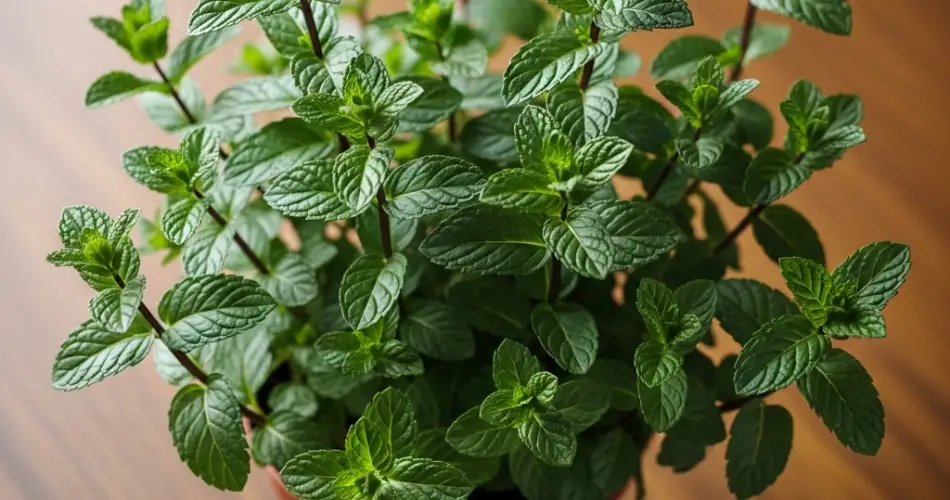
Mint is a fragrant, fast-growing herb that’s loved for its refreshing scent and culinary versatility. However, it’s also notorious for spreading aggressively and taking over garden beds if left unchecked. Despite its invasive tendencies, mint can be a great companion plant when managed properly. Thanks to its strong aroma and natural pest-repelling properties, mint can benefit many other plants in the garden.
Here are five excellent companion plants that grow well with mint—and how to make the most of these pairings without letting mint dominate your garden.
1. Cabbage (and Other Brassicas)
Mint is a great companion for cabbage and other members of the brassica family, including broccoli, cauliflower, Brussels sprouts, and kale. These vegetables are often targeted by pests like cabbage moths, flea beetles, and aphids. The strong scent of mint helps mask the odor of brassicas, confusing and repelling these common pests.
Benefits of pairing:
-
Deters cabbage moths and other insect pests.
-
Helps reduce the need for chemical pest control.
Tips for success:
Plant mint near your cabbage, but preferably in a pot or bottomless container buried in the soil to keep it from spreading into the rest of the garden bed. This way, you still get the pest protection benefits without mint overtaking your vegetable patch.
2. Tomatoes
Tomatoes benefit from being planted near mint because mint attracts beneficial insects like hoverflies and predatory wasps that feed on aphids and other tomato pests. Additionally, mint’s aroma may help deter ants, aphids, and whiteflies that often target tomato plants.
Benefits of pairing:
-
Attracts pollinators and beneficial insects.
-
May help deter aphids and other tomato pests.
Tips for success:
Keep mint contained in a pot next to your tomato bed or grow it in a separate container that can be moved around. Be cautious not to let mint roots invade the tomato root zone, as mint’s aggressive growth can compete with tomatoes for nutrients and space.
3. Carrots
Carrots and mint can make a good pairing in the garden. Mint’s strong scent confuses carrot root flies and other pests that typically target carrots by scent. This aromatic barrier can make your carrot patch less appealing to destructive insects.
Benefits of pairing:
-
Helps repel carrot flies and other pests.
-
Enhances the overall health of the garden through pest reduction.
Tips for success:
Grow mint in containers and place them around the carrot patch to deter pests while keeping mint’s roots from spreading into the soil. Avoid direct planting in the same bed unless you’re managing mint with strict boundaries.
4. Peas
Peas benefit from growing near mint, mainly due to mint’s ability to deter aphids and black flies, which are common problems in legume crops. In addition, mint attracts beneficial insects like parasitic wasps that help control pests naturally.
Benefits of pairing:
-
Deters aphids and black flies.
-
Encourages beneficial insects that help protect peas.
Tips for success:
Again, growing mint in containers is the best approach. Place the containers strategically around your pea plants, especially along garden edges or trellises where pea vines grow.
5. Lettuce
Lettuce is a tender leafy green that’s prone to aphid infestations and can benefit greatly from mint’s pest-repelling qualities. Mint can also help cool down the growing environment for lettuce, especially when planted on the perimeter, offering some light shading.
Benefits of pairing:
-
Helps deter aphids and other soft-bodied pests.
-
Can provide slight shading in hot weather, extending lettuce’s growing season.
Tips for success:
Use mint in pots or contained beds placed around your lettuce crop. The mint will act as a natural deterrent while the lettuce benefits from a less pest-prone environment. Avoid letting mint roots intermingle directly with lettuce to prevent nutrient competition.
Managing Mint’s Growth in Companion Planting
While mint offers many companion planting benefits, it’s important to control its spread:
-
Use containers: Grow mint in pots or sunken containers to prevent roots from spreading underground.
-
Prune regularly: Trim mint frequently to keep it bushy and under control.
-
Harvest often: The more you harvest, the less likely it is to become invasive.
-
Avoid planting in open beds: Unless you’re planting mint in an isolated area, don’t let it grow directly in your main garden beds.
Final Thoughts
Mint is a versatile and beneficial companion plant when managed properly. Its strong scent repels many common garden pests while attracting helpful insects. Pairing mint with crops like cabbage, tomatoes, carrots, peas, and lettuce can improve garden health and reduce the need for chemical interventions.
Just remember to control its roots and growth, and you’ll enjoy both a productive garden and the fresh flavor of homegrown mint all season long.


