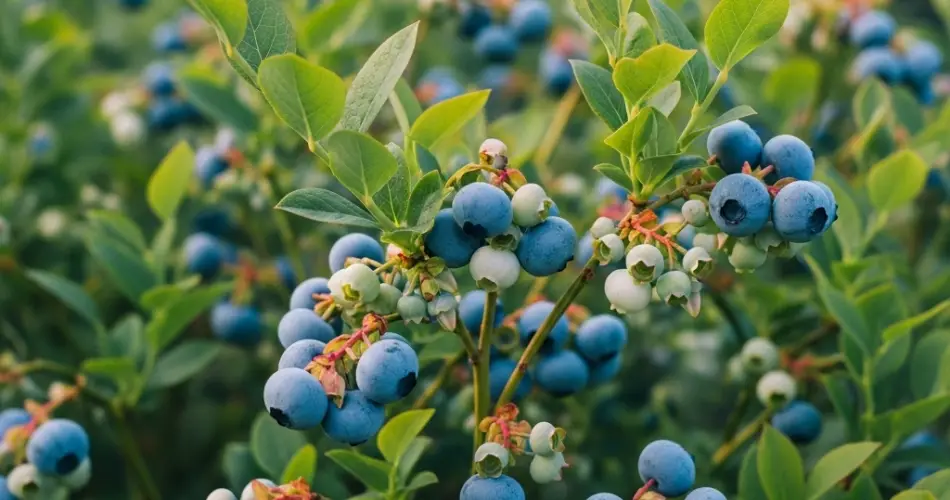
Blueberries are a favorite among home gardeners—not only for their sweet, tangy flavor but also for their ornamental value and relatively easy care. However, the key to enjoying blueberries at their absolute best lies in harvesting them at the right time. Pick too early, and the berries will be tart and underdeveloped. Pick too late, and you risk losing them to birds or spoilage.
This guide explains how to determine the perfect time to harvest your blueberries for maximum flavor, texture, and freshness.
The Importance of Proper Timing
Unlike some fruits, blueberries do not continue to ripen once picked. That makes timing especially important. While blueberries may turn blue days before they are fully ripe, they continue to sweeten on the bush. Patience pays off with berries that are plump, juicy, and packed with flavor.
Understanding the right visual, textural, and timing cues will help ensure a harvest that’s both delicious and abundant.
Signs Your Blueberries Are Ready to Harvest
There are a few clear indicators that your blueberries have reached peak ripeness. Watch for the following:
1. Uniform Blue Color
-
Ripe blueberries are a deep, rich blue all over.
-
If there’s any red, purple, or green remaining on the berry, it’s not fully ripe.
-
The dusty white coating, called “bloom,” is natural and protective—it indicates freshness, not immaturity.
2. Easy Detachment
-
Ripe blueberries will fall into your hand with a gentle tug.
-
If you have to tug hard or twist, the berry likely needs more time.
3. Fullness and Plump Texture
-
Mature berries will feel plump, firm, and heavy for their size.
-
They should bounce slightly when dropped onto a soft surface.
4. Taste Test
-
The best way to confirm ripeness is to taste a few berries.
-
Fully ripe blueberries are sweet with a hint of tartness and a burst of juice.
-
If they taste bland or overly sour, give the bush a few more days.
When Do Blueberries Ripen?
The exact timing depends on the variety, location, and climate. In general:
-
Early-season varieties: May-June
-
Mid-season varieties: June-July
-
Late-season varieties: July-August
Blueberries typically ripen 3–5 days after turning fully blue. Staggered ripening is common, meaning not all berries on a bush mature at once. Expect to harvest every few days over a 2–3 week period.
Morning Is the Best Time to Pick
For optimal flavor and shelf life, harvest blueberries in the cool of the morning, after the dew has dried. Morning-picked berries are firmer and less prone to bruising. Avoid harvesting in the heat of the day, which can soften berries and reduce storage time.
How to Harvest Without Damaging the Plant
To harvest blueberries properly:
-
Hold a small container under a cluster of ripe berries.
-
Gently roll or pinch the ripe berries between your fingers—they should fall into your hand.
-
Be careful not to pull off unripe berries or damage the branches.
-
Use shallow containers to avoid crushing the fruit.
Avoid overhandling, as blueberries are delicate and can bruise easily.
How to Store Freshly Picked Blueberries
Once harvested, blueberries should be handled with care:
-
Don’t wash them immediately unless you plan to eat them right away—moisture accelerates spoilage.
-
Store unwashed berries in a shallow container lined with paper towels.
-
Keep them in the refrigerator for up to 10 days.
-
For long-term storage, freeze blueberries by spreading them in a single layer on a baking sheet, then transferring to a freezer-safe bag once solid.
Frozen blueberries retain their flavor and nutrition and are excellent for smoothies, baking, and sauces.
Common Mistakes to Avoid
-
Picking too early: Leads to tart or flavorless fruit.
-
Waiting too long: Berries become overripe, mealy, or fall off the bush.
-
Ignoring pests: Birds love ripe blueberries. Use netting to protect your crop.
-
Harvesting wet berries: This can cause mold or shorten storage life.
Protecting and Extending Your Harvest
To get the most out of your blueberry season:
-
Install bird netting to keep fruit safe from wildlife.
-
Pick every 2–3 days to encourage the ripening of later fruit.
-
Mulch around the base to retain moisture and reduce competition from weeds.
-
Feed your plants in early spring and again after harvest to promote healthy growth.
With good care, a mature blueberry bush can yield several pounds of fruit per season.
Final Thoughts
Knowing when and how to harvest blueberries can make all the difference in enjoying their natural sweetness. Watch for rich blue color, ease of picking, and firm texture to guide your harvest. By picking at just the right moment, you’ll be rewarded with vibrant, flavorful berries that taste far superior to store-bought options.
A little patience leads to a delicious reward—fresh, sun-ripened blueberries straight from your garden.


