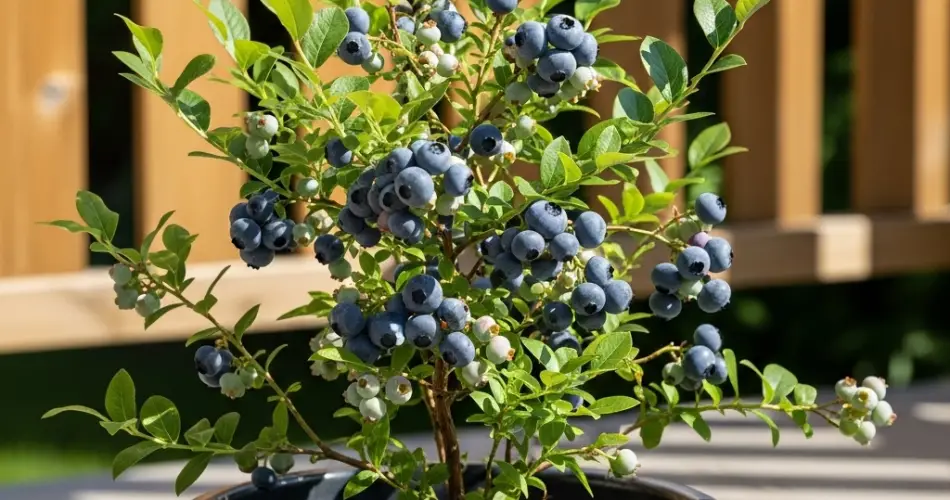
Blueberries are a beloved addition to any garden, not only for their delicious fruit but also for their beautiful foliage and pollinator-friendly blossoms. However, if you want to grow strong, productive blueberry bushes, choosing the right companion plants is key. The best companions can help with pest control, improve soil health, attract beneficial insects, and enhance yields.
Since blueberries have unique growing requirements—particularly their need for acidic soil—choosing suitable neighboring plants is essential. Here’s a guide to the best companion plants for blueberries and how they can help you grow a healthier, more productive berry patch.
Understanding Blueberries’ Growing Needs
Before choosing companion plants, it’s important to understand what blueberries require to thrive:
-
Acidic soil: A pH between 4.5 and 5.5 is ideal.
-
Well-draining, rich soil: Blueberries have shallow roots that don’t tolerate soggy conditions.
-
Full sun: They need at least 6 hours of direct sunlight daily.
-
Moisture: They prefer consistent moisture without waterlogging.
-
No competition: Blueberries don’t compete well with aggressive, deep-rooted plants.
With these needs in mind, companion plants should be non-invasive, have similar soil and sun preferences, and ideally offer added benefits to the ecosystem.
Top Companion Plants for Blueberries
1. Rhododendrons and Azaleas
These acid-loving shrubs thrive in the same soil conditions as blueberries. Planting them nearby creates a visually cohesive garden and offers natural shade to protect blueberries during the hottest part of the day.
Benefits:
-
Similar pH and moisture needs
-
Attractive blooms for pollinators
-
Helps with landscape structure and wind buffering
2. Strawberries
Strawberries and blueberries make excellent companions. They both love acidic soil, and strawberries can act as a low-growing ground cover to help retain moisture and suppress weeds.
Benefits:
-
Prevent soil erosion
-
Maximize space in small gardens
-
Attract pollinators
Avoid letting strawberries overrun the area; maintain space between rows to prevent competition for nutrients.
3. Thyme
Thyme is a low-maintenance herb that tolerates acidic soil and grows well in sunny areas. When planted around blueberries, it acts as a living mulch while repelling some common pests.
Benefits:
-
Attracts bees and other pollinators
-
Deters cabbage worms and whiteflies
-
Adds culinary value to the garden
4. Lupines
These nitrogen-fixing legumes not only tolerate acidic soil but also enrich it. Lupines improve soil fertility by pulling nitrogen from the air and converting it into a usable form for neighboring plants.
Benefits:
-
Improve nitrogen availability
-
Beautiful, tall flower spikes for visual interest
-
Great for pollinators
5. Ferns
If you’re planting blueberries in a semi-shaded area or under tree canopies, ferns can be a good match. They enjoy similar moist, acidic conditions and won’t compete for light.
Benefits:
-
Help retain soil moisture
-
Add texture to the garden
-
Suppress weeds naturally
6. Borage
Borage is a pollinator magnet with edible flowers and foliage. It tolerates a range of soil conditions and won’t disturb blueberry roots. While it prefers slightly less acidic soil, it still performs well alongside blueberries.
Benefits:
-
Attracts bees and beneficial insects
-
Repels hornworms and other pests
-
Improves soil with deep taproots
7. Marigolds
Marigolds aren’t just ornamental—they also offer pest-repelling qualities. These cheerful flowers are known to deter nematodes and certain insects.
Benefits:
-
Protect blueberries from soil-borne pests
-
Attract pollinators
-
Easy to grow and maintain
Plant marigolds around the perimeter to avoid crowding the blueberry roots.
What to Avoid Planting Near Blueberries
Not all plants are good neighbors. Avoid those that require neutral or alkaline soil, compete for nutrients, or have aggressive roots.
Plants to avoid:
-
Tomatoes, peppers, eggplants (they prefer higher pH and can introduce fungal issues)
-
Brassicas (like broccoli and cabbage—can attract pests and compete for space)
-
Melons and cucumbers (heavy feeders that compete for nutrients and water)
-
Mint (spreads aggressively and can take over)
Tips for Successful Companion Planting
-
Mulch generously: Blueberries benefit from a thick layer of pine needles, bark mulch, or leaf mold to retain acidity and moisture.
-
Test your soil: Ensure all companion plants share similar pH and drainage needs.
-
Space properly: Don’t overcrowd. Maintain airflow and allow light to reach all plants.
-
Rotate if needed: Some annual companions, like marigolds or borage, can be rotated seasonally to balance soil use.
Final Thoughts
Blueberries don’t need to grow alone. With the right companion plants, you can build a diverse, thriving garden that supports pollinators, improves soil health, and deters pests—all while increasing your berry harvest. Whether you mix in herbs, flowers, or other edibles, companion planting with blueberries is a smart and sustainable way to enhance your gardening success.


