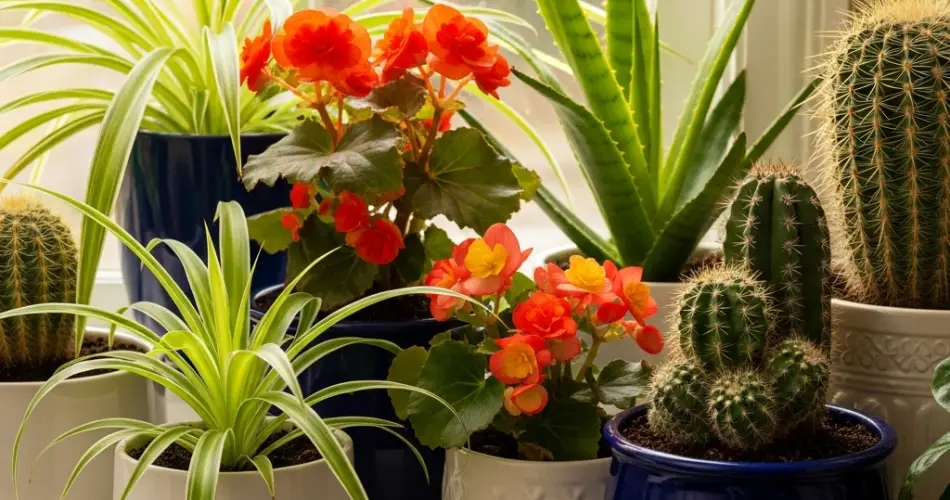
Potted plants are a popular choice for urban gardeners and anyone who loves having greenery at home. They bring life and beauty to balconies, windowsills, patios, and indoor spaces. However, growing plants in pots requires specific care and attention to ensure they thrive. Many common mistakes can seriously harm or even kill your plants if you’re not careful.
This article highlights the most important things you should never do with potted plants and offers practical advice to help your plants grow healthy and strong in your urban garden.
Mistake #1: Overwatering Your Potted Plants
One of the most frequent and damaging mistakes is overwatering. Unlike plants in the ground, potted plants have limited soil volume and drainage. Excess water can quickly saturate the soil, leading to root rot, mold, and fungal infections.
What happens with overwatering?
-
Roots can suffocate due to lack of oxygen.
-
Soil becomes compacted and waterlogged.
-
Plants show yellowing leaves, wilting, or stunted growth.
How to avoid this?
-
Check the soil moisture before watering by feeling the top 2-3 cm of soil. Only water if it feels dry.
-
Use pots with drainage holes to allow excess water to escape.
-
Water moderately, and adjust frequency depending on the plant species, weather, and season.
Mistake #2: Using the Wrong Potting Mix
Not all soils are created equal when it comes to potted plants. Using regular garden soil or poor-quality mixes can restrict root growth and cause drainage problems.
Why is potting mix important?
-
It provides nutrients and aeration essential for roots.
-
It ensures proper water retention and drainage.
-
Good mixes prevent diseases and pests.
What to use instead?
-
Choose a high-quality, well-draining potting mix suited to your plant type.
-
For succulents and cacti, use a sandy or gritty mix.
-
For tropical plants, a moisture-retentive but airy mix works best.
Mistake #3: Ignoring Pot Size and Repotting Needs
Many people keep their plants in the same pot for years without repotting, which can limit growth and lead to root-bound plants.
Signs your plant needs repotting:
-
Roots growing out of drainage holes.
-
Water draining too quickly through the pot.
-
Stunted growth or leaves dropping.
Repotting tips:
-
Choose a pot slightly larger than the current one, allowing roots space to expand.
-
Repot during the growing season, usually spring or early summer.
-
Gently loosen roots and trim any dead or damaged ones before planting in fresh soil.
Mistake #4: Placing Plants in Poor Lighting Conditions
Light is crucial for photosynthesis, but many indoor and balcony plants suffer due to improper placement.
Common lighting mistakes:
-
Putting sun-loving plants in deep shade.
-
Exposing shade plants to harsh direct sunlight.
-
Ignoring seasonal changes in light availability.
How to correct this?
-
Research your plant’s light requirements.
-
Place plants in locations with the appropriate intensity and duration of sunlight.
-
Rotate plants occasionally to ensure even light exposure.
Mistake #5: Neglecting Fertilization
Plants in pots rely entirely on the nutrients in their soil, which depletes over time. Without regular fertilization, plants become weak and stop growing.
Why fertilize potted plants?
-
Replenishes nutrients lost through watering and growth.
-
Supports strong root and foliage development.
-
Helps plants resist pests and diseases.
Fertilizing advice:
-
Use a balanced, water-soluble fertilizer formulated for your plant type.
-
Follow recommended dosage instructions to avoid over-fertilizing.
-
Fertilize during the active growing season and reduce or stop during dormancy.
Mistake #6: Ignoring Pest and Disease Problems
Potted plants can be more vulnerable to pests like aphids, spider mites, and mealybugs, as well as fungal diseases, especially if conditions are too humid or crowded.
Signs of pests and diseases:
-
Discolored, spotted, or distorted leaves.
-
Sticky residue or webbing on plants.
-
Wilting despite proper watering.
How to prevent and treat:
-
Inspect plants regularly for early signs of infestation.
-
Maintain good air circulation around plants.
-
Remove affected leaves and treat with natural insecticides or fungicides if necessary.
Mistake #7: Using Inappropriate Watering Techniques
Simply pouring water over the top of the soil might not always be the best method for every plant.
Better watering practices:
-
Water slowly to allow absorption.
-
Avoid wetting foliage to reduce fungal risks.
-
Consider bottom watering for delicate plants by soaking pots in water for a short period.
Mistake #8: Neglecting to Clean Your Pots and Tools
Bacteria, fungi, and pests can survive in old soil residues and dirty pots, leading to recurring problems.
Good hygiene practices:
-
Clean pots before repotting using mild soap and water.
-
Sterilize gardening tools regularly.
-
Avoid reusing old soil without refreshing it.
Conclusion
Caring for potted plants requires more than just occasional watering. Avoiding these common mistakes will help your plants live longer, look healthier, and flourish in your urban garden or home.
Remember, healthy plants start with good soil, proper watering, adequate light, and attentive care. With patience and the right approach, your potted plants can become a thriving green oasis anywhere.


