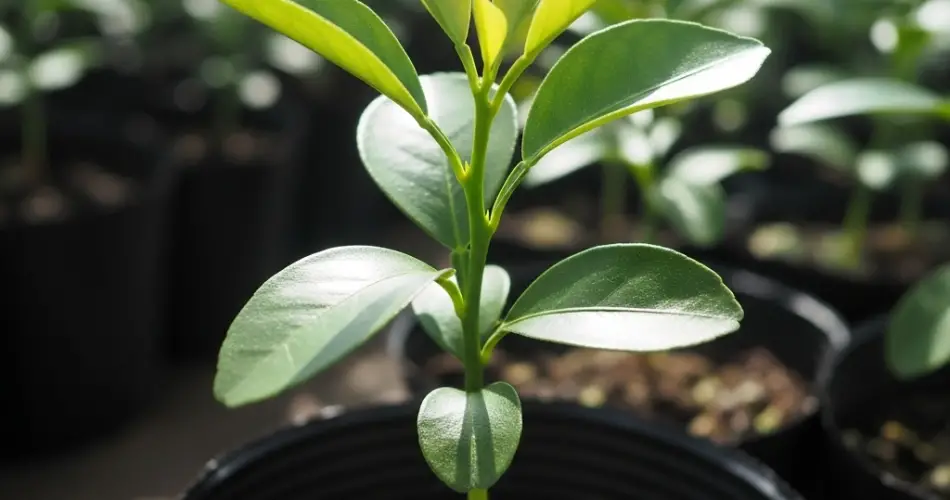
Rooting new plants from cuttings is a rewarding and cost-effective way to propagate trees, citrus plants, and many other species. Whether you’re a gardener looking to multiply your favorite plants or someone who wants to save money by growing new plants from branches, using a rooting hormone can significantly increase your chances of success.
Commercial rooting hormones are available, but they can be expensive and sometimes contain chemicals that not everyone prefers to use. The good news is that you can make an effective homemade rooting hormone from natural ingredients. This homemade solution helps stimulate root growth, improve survival rates, and speed up the rooting process for a wide range of plants.
Why Use a Rooting Hormone?
Rooting hormones contain growth regulators that encourage the development of roots from cuttings. When a cutting is taken from a parent plant, it needs to generate new roots to absorb water and nutrients to survive independently.
Applying a rooting hormone helps:
-
Promote faster root initiation
-
Improve root density and strength
-
Increase success rates in propagation
-
Reduce stress and dehydration in cuttings
While some plants root easily on their own, many benefit from the added boost provided by rooting hormones, especially woody plants, citrus trees, and larger branches.
Homemade Rooting Hormone: Natural and Effective
You don’t need to rely on store-bought products. Several natural substances can act as rooting hormones or improve root formation. Here are some effective homemade options:
1. Honey
Honey is a natural antiseptic and contains enzymes that promote root growth. It helps prevent fungal infections on cuttings while encouraging healthy root development.
How to use:
-
Dip the cut end of your cutting into raw honey before planting.
-
Plant the cutting directly into soil or rooting medium.
2. Cinnamon Powder
Cinnamon is another natural antifungal agent that can protect cuttings from diseases and stimulate rooting.
How to use:
-
Dip the cutting’s end into water, then into cinnamon powder before planting.
3. Willow Water
Willow trees contain natural rooting hormones called indolebutyric acid (IBA) and salicylic acid, which promote root formation.
How to prepare willow water:
-
Collect several young willow branches and cut them into small pieces.
-
Soak the pieces in water for 24-48 hours.
-
Use the water to soak your cuttings or as a watering solution for newly planted cuttings.
4. Aloe Vera Gel
Aloe vera contains natural enzymes and growth hormones beneficial for rooting and overall plant health.
How to use:
-
Dip cuttings in fresh aloe vera gel before planting.
How to Prepare and Root Cuttings Successfully
Step 1: Select Healthy Cuttings
Choose healthy, disease-free branches about 4 to 6 inches long with several leaf nodes. For deciduous plants, semi-hardwood cuttings taken during the growing season work best.
Step 2: Prepare the Cuttings
-
Remove leaves from the lower half of the cutting to expose the nodes where roots will form.
-
Make a clean cut at a 45-degree angle just below a leaf node to increase surface area for rooting.
Step 3: Apply Rooting Hormone
Dip the cut end into your chosen homemade rooting hormone (honey, cinnamon, willow water, or aloe vera) to encourage root growth and protect the cutting.
Step 4: Plant the Cuttings
Insert the cutting into moist, well-draining soil or a rooting medium like perlite, vermiculite, or a peat mixture. Firm the soil gently around the cutting to hold it upright.
Step 5: Provide Proper Environment
-
Keep the soil consistently moist but not waterlogged.
-
Maintain high humidity around the cuttings by covering them with a plastic bag or placing them in a mini greenhouse.
-
Place the cuttings in indirect light, avoiding direct sunlight which can stress them.
Caring for Rooting Cuttings
-
Check moisture daily to ensure the soil doesn’t dry out.
-
Ventilate covered cuttings periodically to prevent mold.
-
Avoid fertilizing until roots have developed well.
-
After several weeks, gently tug on the cutting to check for resistance, indicating root formation.
Rooting Specific Plants: Trees, Citrus, and Others
-
Trees and Woody Plants: Using homemade rooting hormones like willow water can greatly improve success rates with hardwood cuttings.
-
Citrus: Citrus cuttings root slower than some plants; consistent moisture and a mild rooting hormone like aloe vera or honey help stimulate roots.
-
Herbaceous Plants: Many soft-stemmed plants root easily but still benefit from hormone application for quicker growth.
Advantages of Homemade Rooting Hormones
-
Natural and Safe: No synthetic chemicals or additives.
-
Cost-Effective: Made from common household or garden ingredients.
-
Eco-Friendly: Reduces reliance on commercial products and waste.
-
Easy to Make: Simple preparation with readily available materials.
Final Tips for Successful Plant Propagation
-
Use clean, sharp tools to avoid damaging cuttings and spreading disease.
-
Be patient—root development can take weeks or months depending on the plant species.
-
Label cuttings with plant type and date for easy tracking.
-
Experiment with different rooting hormone options to find what works best for your plants.
Conclusion
Rooting plants from cuttings is a fulfilling and economical way to expand your garden. Using a homemade rooting hormone boosts your success by encouraging faster, healthier root development while protecting your cuttings from infections.
Whether you want to propagate trees, citrus, or ornamental plants, these natural methods are effective and safe for the environment. With a little care and patience, you’ll be able to grow strong, thriving plants from cuttings using simple homemade solutions.


