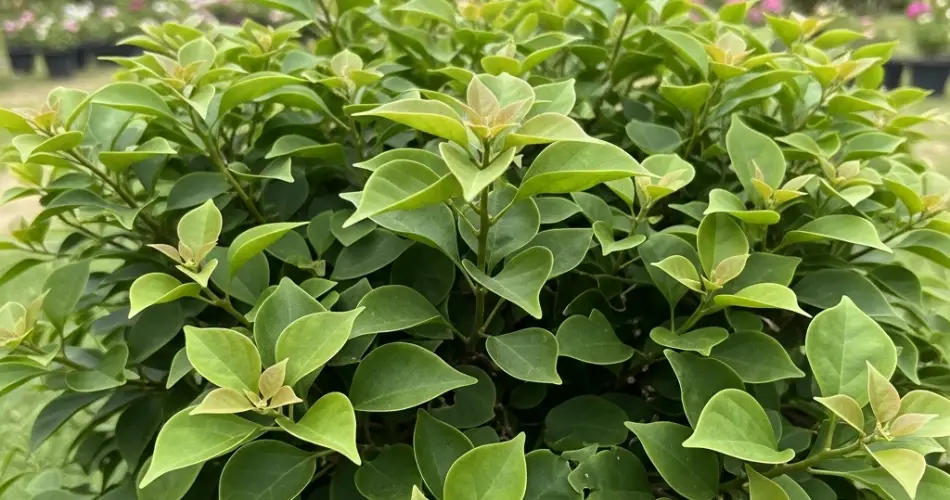
Bougainvillea is known for its vibrant, paper-like bracts that add a splash of color to gardens, fences, and containers. But what happens when your bougainvillea produces lush green foliage—but no flowers? A lack of blooming can be frustrating, especially when you’re doing your best to care for the plant. Fortunately, there are specific reasons why bougainvillea might not be flowering, and with a few adjustments, you can help encourage it to bloom again. Here’s a detailed guide on what to do if your bougainvillea isn’t blooming.
1. Check the Sunlight Exposure
Bougainvillea is a sun-loving plant that thrives in full, direct sunlight. If it’s not getting at least 6 hours of direct sun each day, this could be the main reason it’s not blooming.
What to do:
-
Move potted plants to a sunnier location.
-
If growing in the ground, trim overhanging trees or nearby plants that cast shade.
-
Remember, more light usually means more blooms.
Even a few hours of shade can reduce flowering significantly, so maximizing light exposure is essential.
2. Avoid Overwatering
Bougainvillea prefers dry conditions between waterings. When watered too frequently, the plant may grow lots of foliage at the expense of blooms.
Tips for proper watering:
-
Allow the top 1–2 inches of soil to dry out before watering again.
-
Use well-draining soil to prevent soggy roots.
-
In pots, make sure containers have adequate drainage holes.
A little water stress can actually encourage flowering in bougainvillea. Letting the plant dry slightly between waterings mimics its natural arid environment and triggers blooming.
3. Use the Right Fertilizer
Too much nitrogen encourages leafy growth but not flowers. If you’re fertilizing regularly with a high-nitrogen product (like those meant for lawns), your bougainvillea may look healthy but fail to bloom.
Fertilizer tips:
-
Choose a fertilizer that’s low in nitrogen and higher in phosphorus and potassium, such as a 10-30-10 or 5-20-10 formula.
-
Apply every 4–6 weeks during the growing season.
-
Water the plant before applying fertilizer to avoid root burn.
Avoid overfeeding—once every month is sufficient, especially if you’re also using compost or organic matter in your soil.
4. Prune at the Right Time
Bougainvillea blooms on new growth, so pruning at the wrong time can delay or prevent flowering. If you cut it back right before or during its blooming season, you may remove the stems that would have produced flowers.
Best pruning practices:
-
Prune lightly after the main blooming flush to shape the plant and encourage new branches.
-
Remove dead, weak, or crossing stems to improve airflow and light penetration.
-
Avoid aggressive pruning during the peak flowering period.
Encouraging fresh, controlled growth through pruning helps stimulate blooming while keeping the plant compact and healthy.
5. Stress It a Little
Bougainvillea naturally flowers when it’s under a bit of stress. Conditions like restricted root space, dry spells, or cooler temperatures can stimulate blooms.
Ways to apply gentle stress:
-
Keep container plants slightly root-bound.
-
Skip a watering or two (without allowing it to wilt completely).
-
Avoid excessive pampering—minimal interference often yields better flowering.
Of course, stress should be controlled. You want to encourage blooms, not damage the plant.
6. Check Temperature and Climate Conditions
Bougainvillea prefers warm temperatures and doesn’t bloom well in cooler climates or during cold spells.
Ideal conditions:
-
Daytime temperatures between 65–95°F (18–35°C).
-
Minimal nighttime drops in temperature.
-
Protection from cold drafts, especially if grown indoors or in containers.
If you’re in a cooler region, bring your potted bougainvillea indoors during winter and resume bloom-boosting care as temperatures warm.
7. Inspect for Root-Bound Conditions (in Pots)
While some root crowding can help induce flowering, being too root-bound may limit water and nutrient uptake.
Check for these signs:
-
Roots growing out of the drainage holes.
-
Water running straight through the pot without soaking in.
-
Soil drying out too quickly.
Solution:
-
Repot into a slightly larger container (only 1–2 inches bigger in diameter).
-
Use a fast-draining soil mix designed for flowering vines or cacti.
Repotting gives your plant room to grow without losing the flowering stress that slightly restricted roots provide.
Final Thoughts
If your bougainvillea isn’t blooming, the issue is likely one of a few manageable factors: lack of sunlight, overwatering, excess nitrogen, or improper pruning. Fortunately, these are all easy to adjust with a little attention. With the right care—plenty of sun, controlled watering, the correct fertilizer, and smart pruning—you can coax your bougainvillea back into a glorious bloom cycle. Be patient, and your plant will reward you with a burst of color that lasts for weeks or even months.


