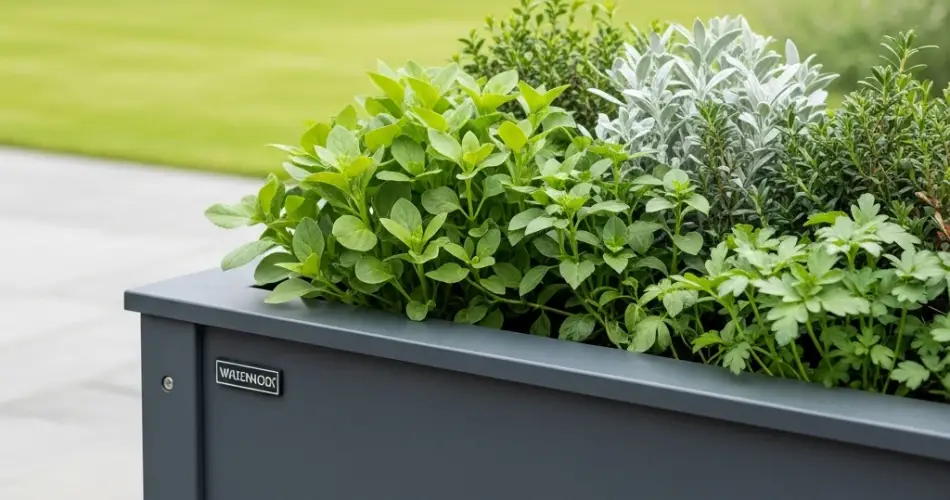
Plant boxes are a wonderful addition to any backyard, patio, or balcony, allowing you to grow flowers, herbs, and vegetables in a controlled environment. However, constant exposure to moisture from watering and rainfall can lead to rot, mildew, and structural damage—especially in wooden plant boxes. To ensure your plant boxes remain durable and attractive for years to come, waterproofing is essential. Whether you’re building a new box or maintaining an old one, here are practical tips to protect your plant boxes from water damage and extend their lifespan.
1. Choose the Right Materials
Before thinking about waterproofing, it’s important to start with water-resistant or durable materials. If you’re building a plant box from scratch, opt for rot-resistant woods like cedar, redwood, or teak. These types of wood naturally withstand moisture and resist decay longer than softwoods like pine or fir.
For non-wooden boxes, consider using plastic, composite, or metal with rust-resistant finishes. These materials are often lower-maintenance and already designed to handle wet conditions.
2. Apply a Waterproof Sealant
If you’re working with wooden boxes, applying a waterproof wood sealant is one of the most effective ways to protect them. Sealants come in oil- or water-based formulas and help prevent moisture from penetrating the wood.
How to apply:
-
Sand the surface to remove rough spots or old finishes
-
Clean the wood thoroughly and let it dry
-
Apply the sealant with a brush or roller, covering all surfaces including joints and edges
-
Allow it to dry according to the manufacturer’s instructions
-
Apply a second coat for added protection
Reapply the sealant every 1–2 years, especially if the box is outdoors and exposed to harsh weather.
3. Use a Waterproof Liner
Lining the interior of your plant box creates a barrier between the moist soil and the wooden surface. This significantly reduces the chance of water damage and prolongs the box’s life.
Popular liner materials include:
-
Heavy-duty plastic sheeting (like pond liner or builder’s plastic)
-
Landscape fabric (allows drainage while still offering protection)
-
Rubberized liners for added durability
Make sure to cut drainage holes in the liner where your box has existing drainage, so excess water doesn’t accumulate. Staple or tack the liner to the top edges to keep it secure.
4. Elevate the Plant Box
Raising your plant box off the ground helps prevent water from pooling underneath, which can lead to rot or mold growth at the base. You can use feet, bricks, concrete pavers, or treated wood blocks to lift the box slightly.
This not only improves drainage but also helps extend the life of the materials, particularly if the plant box is on grass, soil, or a frequently wet surface.
5. Install Proper Drainage
Good drainage is essential to protect both your plants and your plant box. Without it, excess water can collect at the bottom, leading to root rot and moisture damage to the box itself.
To ensure proper drainage:
-
Drill several holes in the bottom of the box if it doesn’t already have them
-
Add a layer of gravel or coarse sand at the bottom before adding soil
-
Use well-draining soil mix to reduce water retention
-
Make sure any liner you install doesn’t block these drainage paths
If you’re placing the box on a hard surface like concrete or a deck, place saucers or trays underneath to collect excess water without causing stains or rot.
6. Paint or Stain the Exterior
While sealants protect the interior and structural parts of the box, applying an exterior-grade paint or stain can provide an additional layer of protection on the outside.
Choose a product labeled for outdoor use, and make sure it’s water-repellent. Stains allow the natural wood grain to show while offering protection, whereas paints give a more uniform appearance.
Repaint or re-stain every few years to keep the box looking fresh and to maintain its waterproof barrier.
7. Avoid Overwatering
Even with all these protective measures, good watering habits are still crucial. Overwatering can cause excess moisture to build up, undermining your waterproofing efforts.
Watering tips:
-
Check soil moisture before watering—only water when the top inch is dry
-
Use self-watering systems or drip irrigation for better moisture control
-
Water in the morning so boxes have time to dry throughout the day
Final Thoughts
Waterproofing your plant boxes is an important step toward preserving their beauty and function. From selecting the right materials and applying sealants to installing liners and ensuring proper drainage, each step plays a role in extending your box’s lifespan. With just a little time and care, you can protect your plant boxes from the damaging effects of moisture and enjoy healthy, vibrant plants season after season.


