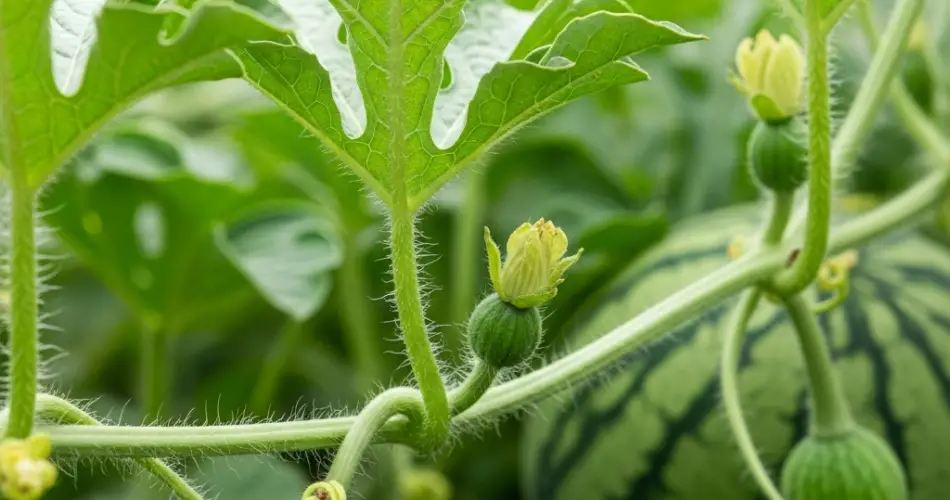
Watermelons are a warm-weather favorite, loved for their sweet, juicy flesh and refreshing crunch. But growing them isn’t always as simple as planting seeds and waiting for fruit. Watermelon plants can run into a range of issues—from leaf yellowing to poor fruit development—that can frustrate even seasoned gardeners.
This comprehensive troubleshooting guide will help you identify and fix common watermelon plant problems, ensuring your garden produces healthy vines and bountiful, flavorful melons.
1. Yellowing Leaves
Problem: If your watermelon plant’s leaves are turning yellow, it could be a sign of overwatering, nutrient deficiency, pests, or disease.
Common causes:
-
Overwatering: Waterlogged soil suffocates roots and leads to chlorosis (leaf yellowing).
-
Nitrogen deficiency: Lower leaves turn pale and yellow when nitrogen is lacking.
-
Fungal diseases: Such as fusarium wilt or downy mildew.
-
Pests: Aphids and spider mites can cause yellowing by sucking plant juices.
Solutions:
-
Allow the soil to dry slightly between waterings.
-
Use a balanced fertilizer with adequate nitrogen.
-
Inspect for pests and treat with insecticidal soap or neem oil.
-
Remove affected leaves and improve airflow to prevent disease spread.
2. Wilting Vines
Problem: Watermelon vines suddenly droop or collapse.
Common causes:
-
Lack of water: Hot weather and sandy soil can cause rapid drying.
-
Root rot or fungal wilt: Pathogens like fusarium or verticillium attack the roots.
-
Cucumber beetles or squash vine borers: These pests damage stems and roots.
Solutions:
-
Ensure deep, consistent watering (1–2 inches per week).
-
Avoid watering the leaves—focus on the base to reduce fungal risk.
-
Rotate crops yearly to avoid soil-borne diseases.
-
Use floating row covers early in the season to deter pests.
3. Poor Fruit Set or No Fruit
Problem: Healthy-looking vines but no melons form.
Common causes:
-
Lack of pollination: Watermelons require insect pollination to set fruit.
-
Excess nitrogen: Leads to lush foliage but poor flowering and fruiting.
-
Extreme temperatures: Cold snaps or extreme heat can interfere with fruit formation.
Solutions:
-
Encourage pollinators by planting flowers nearby.
-
Hand-pollinate with a small brush if needed.
-
Use a fertilizer lower in nitrogen but rich in phosphorus and potassium once flowering begins.
-
Provide shade cloth during intense heat to reduce plant stress.
4. Misshapen or Small Fruits
Problem: Watermelons that are undersized, oddly shaped, or don’t grow well.
Common causes:
-
Inconsistent watering: Causes uneven growth and poor fruit development.
-
Incomplete pollination: Leads to distorted fruit.
-
Nutrient imbalance: Especially low potassium levels.
Solutions:
-
Water deeply and consistently, especially during fruit development.
-
Add compost or potassium-rich fertilizer to support healthy growth.
-
Thin fruit if the plant is overloaded, so it can focus energy on fewer melons.
5. Cracked Fruit
Problem: Your watermelons are splitting open on the vine.
Common causes:
-
Sudden watering after drought: Rapid moisture uptake causes internal pressure.
-
Overripe fruit: Left too long on the vine, watermelons may crack.
Solutions:
-
Maintain consistent watering rather than letting soil dry out completely.
-
Harvest melons when they show signs of ripeness—check for a yellow belly spot, dry tendril near the stem, and dull skin.
6. White Powder or Spots on Leaves
Problem: Powdery mildew or leaf spots.
Common causes:
-
Fungal diseases: Powdery mildew thrives in warm, humid conditions.
-
Bacterial leaf spot: Appears as dark lesions with yellow halos.
Solutions:
-
Remove affected leaves immediately.
-
Improve air circulation by spacing plants properly.
-
Apply an organic fungicide such as neem oil, baking soda solution, or sulfur spray.
-
Water early in the day to allow foliage to dry quickly.
7. Pest Infestations
Common watermelon pests include:
-
Aphids: Small green or black insects clustering on new growth.
-
Cucumber beetles: Yellow-and-black beetles that chew leaves and transmit disease.
-
Spider mites: Tiny pests that cause stippling and webbing on leaves.
-
Squash bugs and vine borers: Feed on stems and roots, causing wilting.
Solutions:
-
Inspect plants regularly.
-
Remove pests by hand or with a strong spray of water.
-
Introduce beneficial insects like ladybugs.
-
Apply neem oil or insecticidal soap weekly as needed.
8. Sunscald on Fruits
Problem: Pale, leathery spots on the side of the fruit facing the sun.
Causes and fixes:
-
Happens when fruits are exposed to intense sunlight without leaf cover.
-
Avoid excessive pruning that exposes fruit.
-
Use shade cloth or place straw around fruits to protect them from direct sun.
9. Slow Growth or Stunted Plants
Problem: Vines aren’t spreading, and fruits aren’t developing.
Common causes:
-
Cool soil temperatures at planting time.
-
Poor soil fertility or pH imbalance.
-
Compacted or clay-heavy soil that restricts root growth.
Solutions:
-
Wait until soil is at least 70°F (21°C) before planting.
-
Add compost or aged manure to enrich soil.
-
Conduct a soil test and adjust pH (optimal range is 6.0–6.8).
Final Tips for Healthy Watermelon Plants
-
Plant in full sun (at least 6–8 hours daily).
-
Use mulch to conserve moisture and suppress weeds.
-
Space vines properly to allow airflow and prevent disease.
-
Rotate crops each season to avoid soil-borne issues.
By understanding and addressing these common watermelon growing problems, you’ll increase your chances of a sweet, successful harvest—and enjoy the fruits of your labor all summer long.


