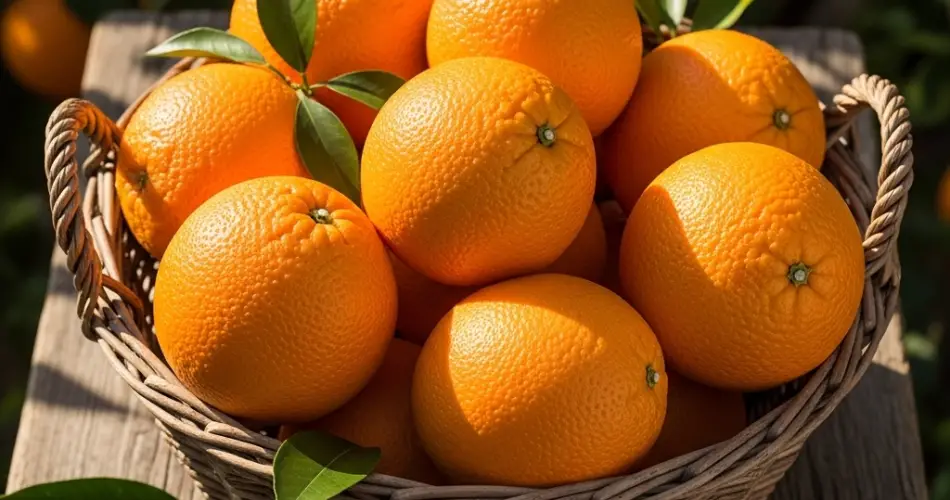
If you’ve ever grown an orange tree and ended up with small or dry fruit, you’re not alone. Growing large, juicy oranges takes more than just planting a tree and hoping for the best. It requires a combination of proper soil care, pruning, watering, feeding, and timing. When these elements are balanced, your orange tree will reward you with plump, sweet citrus bursting with juice.
Here are the essential secrets every gardener should know to help orange trees produce better-quality fruit.
1. Choose the Right Variety
Some orange varieties naturally produce larger and juicier fruit than others. For example:
-
Valencia oranges are known for their juiciness, perfect for juice production.
-
Navel oranges tend to be larger and sweeter, ideal for fresh eating.
-
Blood oranges offer deep red flesh with a unique tangy flavor.
Start with a variety known for producing the kind of fruit you enjoy most—and make sure it’s well-suited to your climate zone.
2. Soil Preparation is Key
Healthy oranges start with healthy soil. Orange trees thrive in loamy, well-draining soil with a slightly acidic pH (6.0 to 7.0). Heavy clay soils can retain too much water, while sandy soils may not hold enough nutrients.
Boost your soil by:
-
Mixing in organic compost or aged manure before planting
-
Adding citrus-specific fertilizers to support tree health
-
Ensuring proper drainage to prevent root rot
Raised beds or mounded planting areas can improve soil drainage in low-lying gardens.
3. Master the Art of Watering
Oranges require consistent watering, especially during fruit development. Irregular watering—too much or too little—can lead to dry, flavorless, or split fruit.
Watering tips:
-
Water deeply once or twice a week, depending on rainfall and season
-
Use mulch to retain moisture and reduce water evaporation
-
Avoid shallow watering, which promotes weak, surface-level roots
-
In containers, ensure good drainage and never let the pot sit in water
A consistent moisture level helps oranges grow bigger and juicier.
4. Fertilize for Fruit Size and Flavor
Fertilization is one of the most important factors in producing high-quality citrus. Orange trees are heavy feeders and benefit from a regular supply of nutrients, especially nitrogen, phosphorus, potassium, magnesium, and calcium.
Fertilizing schedule:
-
Start in early spring with a balanced fertilizer like 6-6-6 or 8-8-8
-
Follow up every 6 to 8 weeks through the growing season
-
In late summer, switch to a low-nitrogen, high-potassium blend to promote sweet, juicy fruit
-
Use foliar sprays with micronutrients like zinc and magnesium to correct deficiencies
Slow-release organic options like composted manure or citrus spikes are great for steady nutrition.
5. Prune for Size and Productivity
Regular pruning helps maintain a manageable tree size, improves air circulation, and encourages sunlight to reach fruit-bearing branches—all of which contribute to better fruit quality.
How to prune:
-
Remove dead, diseased, or crossing branches in late winter or early spring
-
Thin out crowded areas to let in more light
-
Trim suckers and water sprouts that drain energy from the fruiting canopy
Don’t over-prune, as excessive removal of foliage can reduce yields.
6. Protect Blossoms and Young Fruit
Oranges develop from blossoms, so anything that harms flowers—like strong wind, frost, or pests—can reduce fruit size and quantity.
Tips to protect blossoms:
-
Cover small trees during unexpected frosts
-
Avoid spraying insecticides during bloom (they may kill pollinators)
-
Encourage pollinators by planting flowering herbs nearby
Healthy blossoms lead to strong fruit set and bigger harvests.
7. Thin Out Excess Fruit
A tree overloaded with fruit often produces smaller oranges. Thinning—removing some of the young fruit—allows the remaining ones to grow larger and juicier.
When to thin:
-
Once fruit reaches the size of a marble, remove excess clusters, especially if 4–5 are growing from one spot
-
Leave one or two fruits per cluster to allow them to size up properly
This practice reduces strain on the tree and concentrates nutrients on fewer fruits.
8. Time the Harvest Right
Picking your oranges too early results in dry or sour fruit. While they may look ripe on the outside, oranges often take several weeks to sweeten after coloring.
Signs an orange is ready to harvest:
-
It feels heavy and firm for its size
-
It emits a strong citrus scent
-
It easily detaches with a gentle twist
-
A taste test confirms sweetness and juiciness
Oranges don’t ripen off the tree, so only pick when fully mature.
Final Thoughts
Producing bigger, juicier oranges isn’t a mystery—it’s a matter of proper care, timing, and consistent attention to the tree’s needs. From soil quality and watering to pruning and fertilizing, each factor plays a role in fruit development. By combining these proven practices, you can enjoy homegrown oranges that rival anything you’ll find at the market.
Whether you grow a single tree in your backyard or maintain a small citrus orchard, the reward of biting into a sun-ripened, juicy orange is well worth the effort.


