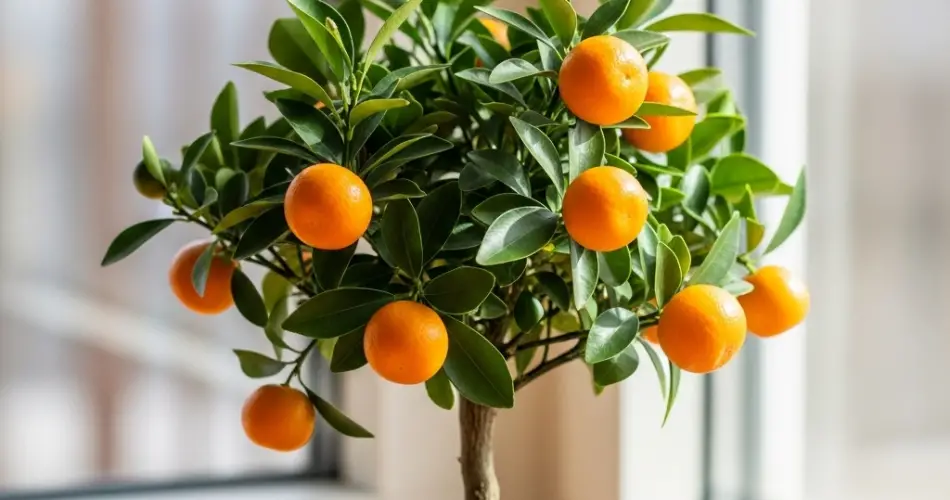
Bringing the beauty and fragrance of citrus trees indoors is more than just a decorative choice—it’s a rewarding way to enjoy fresh fruit year-round. Among the most popular citrus varieties for indoor growing are dwarf orange trees, which combine compact size with vibrant fruit and aromatic blossoms.
With the right care, these miniature citrus trees can thrive in your home, adding greenery, fragrance, and even edible oranges to your space. Whether you’re a beginner or a seasoned gardener, here’s everything you need to know about successfully growing and maintaining dwarf orange trees indoors.
Why Choose a Dwarf Orange Tree?
Dwarf orange trees are bred specifically to remain compact while producing full-sized fruit. Grafted onto dwarf rootstocks, they typically grow no taller than 4 to 6 feet, making them ideal for containers and indoor environments.
Benefits include:
-
Year-round greenery and fragrant white blossoms
-
Edible oranges in a home setting
-
Decorative and functional living plants
-
Manageable size for small spaces
Popular varieties for indoor growing include ‘Calamondin’, ‘Trovita’, and ‘Dwarf Washington Navel’.
Choosing the Right Pot and Soil
Start with a container that’s at least 14–18 inches wide and deep, with good drainage. Dwarf orange trees dislike soggy roots, so proper drainage is essential.
Potting tips:
-
Use a lightweight, well-draining potting mix designed for citrus or indoor container plants.
-
Add extra perlite or coarse sand if your mix feels too dense.
-
Consider placing a layer of gravel at the bottom of the pot to enhance drainage.
Make sure the container has multiple drainage holes to prevent root rot.
Lighting Requirements
Dwarf orange trees are sun-loving plants that need 10–12 hours of bright, direct light daily. A south- or west-facing window is ideal.
If natural light is limited:
-
Supplement with full-spectrum LED grow lights.
-
Position lights about 6–12 inches above the canopy.
-
Use a timer to maintain a consistent day/night cycle.
Without enough light, the tree may drop leaves or fail to produce fruit.
Temperature and Humidity
Citrus trees prefer warm, stable temperatures, ideally between 65°F and 75°F (18°C–24°C) during the day, and slightly cooler at night.
Tips for temperature and humidity:
-
Avoid placing the tree near drafts, heating vents, or air conditioning units.
-
Use a humidity tray or mist the leaves if indoor air is dry—especially in winter.
-
Ideal humidity is around 50%–60%.
Sudden temperature changes can stress the plant and cause leaf drop, so aim for consistency.
Watering Wisely
Overwatering is a common issue with indoor citrus. Dwarf orange trees prefer to dry out slightly between waterings.
Watering guide:
-
Water thoroughly when the top 1–2 inches of soil feel dry to the touch.
-
Allow water to drain completely—never let the pot sit in standing water.
-
During winter, water less frequently as the tree enters a semi-dormant state.
Avoid letting the soil become bone dry, especially during flowering or fruit set.
Feeding and Fertilization
Citrus trees are heavy feeders, especially during active growth and fruiting stages.
-
Use a balanced citrus fertilizer or one high in nitrogen, applied every 4–6 weeks from spring through summer.
-
During fall and winter, reduce feeding to once every 8–10 weeks or stop entirely.
-
Choose a fertilizer with micronutrients like magnesium, iron, and zinc to prevent deficiencies.
Leaf yellowing, slow growth, or small fruit size can signal nutrient imbalances.
Pruning and Maintenance
Pruning keeps your tree compact, healthy, and encourages bushier growth.
When and how to prune:
-
Prune in early spring before new growth starts.
-
Remove dead, damaged, or crossing branches.
-
Pinch back the tips of branches to promote fullness.
-
Trim lightly throughout the year to maintain shape.
Also, remove any suckers that grow below the graft line, as they can sap energy from the main tree.
Pollination Indoors
Unlike outdoor citrus, indoor trees may need help with pollination. Most dwarf orange trees are self-pollinating, but a little assistance ensures a better fruit set.
How to hand-pollinate:
-
Use a small, soft brush or cotton swab.
-
Gently transfer pollen from one flower to another.
-
Repeat every few days while the tree is in bloom.
This simple step can greatly increase your orange yield indoors.
Common Problems and Solutions
-
Leaf drop: Often caused by sudden temperature changes, low humidity, or overwatering.
-
Sticky leaves or pests: Look for aphids, spider mites, or scale insects. Treat with neem oil or insecticidal soap.
-
No fruit: Check for sufficient light, pollination, and nutrient levels.
Regular observation helps you catch issues early and adjust care accordingly.
Harvesting Indoor Oranges
Indoor-grown oranges usually take 6–9 months to mature. They won’t ripen off the tree, so wait until the fruit develops its full color and gives slightly when squeezed.
Enjoy your harvest fresh, or use it in juices, marmalades, and desserts. The satisfaction of picking oranges from your own living room or kitchen is truly one of a kind.
Final Thoughts
Dwarf orange trees bring a touch of the tropics into your home and reward your efforts with flowers, fragrance, and fruit. By providing ample light, proper watering, and seasonal care, you’ll enjoy a lush and fruitful indoor citrus experience for years to come.


