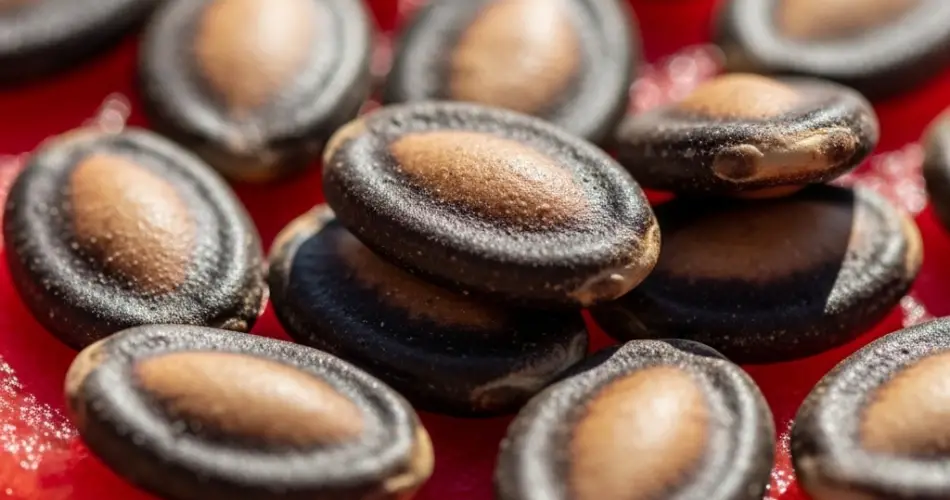
Watermelons are a summer favorite, prized for their refreshing sweetness and vibrant color. If you’re looking to grow your own, starting from seed is a rewarding and cost-effective way to go. However, watermelon seeds can be slow to germinate if not given the right conditions. With a few simple techniques, you can dramatically speed up germination and give your plants a strong head start.
Here’s a complete guide to starting watermelon seeds quickly and successfully—from seed prep to transplanting.
Understanding Watermelon Seed Germination
Watermelon seeds typically take 7 to 10 days to germinate, but this process can be accelerated with the right temperature, moisture, and soil conditions. Seeds need warm, moist soil to activate and break dormancy. Too cold or dry, and the seeds may sit dormant for weeks—or fail to sprout at all.
Ideal germination temperature:
26–32°C (78–90°F)
1. Choose the Right Variety
Select a watermelon variety suited to your climate and growing space. Some popular types include:
-
Sugar Baby: A compact bush variety perfect for small gardens
-
Crimson Sweet: Known for large, sweet fruits
-
Jubilee: A traditional long-season heirloom
-
Mini or icebox varieties: Ideal for containers and short seasons
Short-season varieties tend to germinate and mature faster, making them ideal for northern or cooler climates.
2. Pre-Soak the Seeds
One of the easiest tricks to encourage fast germination is pre-soaking the seeds. This softens the tough outer shell and activates internal enzymes.
Steps:
-
Fill a bowl with warm water (about 37–40°C or 98–104°F).
-
Place the seeds in the water and let them soak for 6 to 12 hours.
-
Discard any floating seeds—they may be non-viable.
Do not soak for more than 24 hours, as this may cause the seeds to rot.
3. Use the Paper Towel Method (Optional for Speed)
For ultra-fast germination, you can sprout watermelon seeds using the paper towel method before transferring them to soil.
How to do it:
-
Dampen a paper towel with warm water.
-
Place seeds on one half of the towel, then fold the towel over them.
-
Place the towel inside a plastic bag or container with a loose-fitting lid.
-
Keep it in a warm place (above 26°C / 78°F).
Seeds often sprout in 2–5 days using this method. Once the root emerges, gently transfer them to soil.
4. Prepare a Warm Seed-Starting Environment
Warmth is essential for germination. If starting seeds indoors:
-
Use a seed heat mat to maintain consistent warmth beneath trays.
-
Place seed trays near a sunny window or under a grow light for 12–16 hours daily.
-
Use small pots, peat pellets, or seed trays filled with light, well-draining seed-starting mix.
Keep the soil evenly moist but not soggy. Overwatering can lead to rot, while dry soil halts germination.
5. Planting Seeds in Soil
If direct sowing outdoors, wait until:
-
Soil temperature reaches at least 21°C (70°F)
-
All danger of frost has passed
-
The area gets 6–8 hours of full sun per day
Planting depth:
Sow seeds ½ to 1 inch deep in small mounds or rows.
Spacing:
-
Mounds: 3 seeds per mound, 4–6 feet apart
-
Rows: Space seeds 18–24 inches apart with rows 5–6 feet apart
Thin to one strong seedling per mound or space after germination.
6. Water Carefully
Consistent moisture is key for seedling development. Water the soil lightly but frequently to keep it damp until sprouts appear. After germination:
-
Water deeply but less often to encourage strong root growth
-
Avoid wetting the leaves to prevent fungal issues
Mulching around seedlings can help retain moisture and regulate soil temperature.
7. Transplanting Seedlings
If starting seeds indoors, transplant seedlings once they have two true leaves and the outdoor temperature is consistently warm.
Transplanting tips:
-
Harden off seedlings by gradually exposing them to outdoor conditions over 5–7 days
-
Choose a sunny, well-drained spot with plenty of space
-
Enrich the soil with compost or aged manure before planting
-
Plant with minimal root disturbance to avoid transplant shock
Water deeply after transplanting to help seedlings establish quickly.
8. Bonus Tips for Better Germination and Growth
-
Don’t refrigerate seeds before planting—they prefer warmth.
-
Use bottom heat or a warm spot (like on top of the fridge) if you don’t have a heat mat.
-
Consider floating row covers to warm soil and protect seedlings outdoors early in the season.
-
Start seeds in biodegradable pots like peat or coir to avoid root disturbance when transplanting.
Final Thoughts
Starting watermelon seeds for fast germination doesn’t require fancy equipment—just the right balance of warmth, moisture, and care. Whether you’re growing in containers, raised beds, or an open garden, these techniques will give your watermelon crop a strong, healthy start.
With a little preparation and patience, you’ll soon be enjoying juicy, homegrown watermelons straight from your garden.


