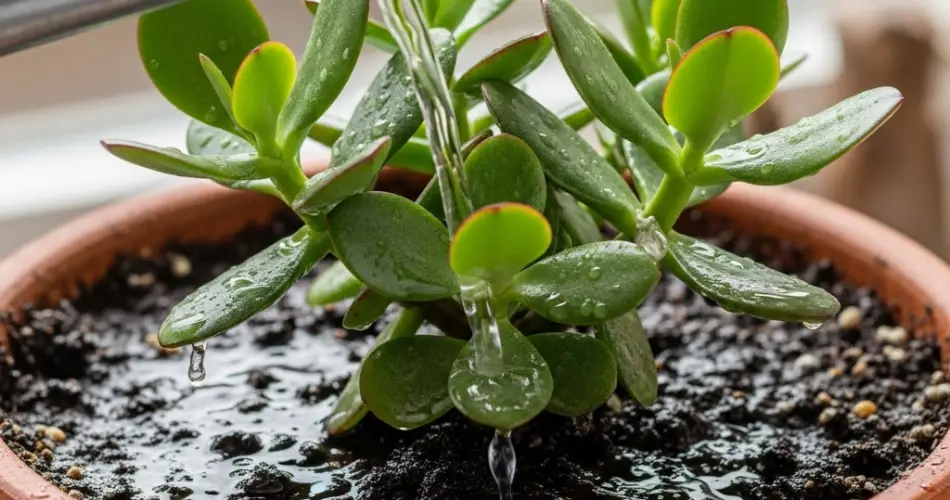
Jade plants (Crassula ovata), with their plump, glossy leaves and tree-like form, are treasured as symbols of prosperity and resilience. Native to arid South Africa and Mozambique, these succulents thrive on minimal attention—provided their watering needs are properly met. While jade plants are low-maintenance, improper watering is the most common cause of leaf wrinkling, softening, or even root rot.
To keep those fleshy leaves thick, firm, and gleaming, you need to understand how water affects jade plants and how to tailor your watering technique based on the season, container type, and home environment. This guide breaks down practical watering tips that support healthy growth and vibrant leaves.
Understanding Jade Plant Water Needs
Jade plants store water in their leaves and stems, which makes them highly drought-tolerant. However, this adaptation means they’re also sensitive to overwatering. Their fleshy tissues are designed to hold water for long periods, so watering too often can cause the roots to sit in soggy soil, leading to root rot, yellowing leaves, or leaf drop.
On the flip side, extended droughts can cause the leaves to wrinkle, become soft, or lose their sheen. The key is striking the right balance based on your plant’s environment.
Best Watering Practices for Glossy, Firm Leaves
-
Use the “Soak and Dry” Method
The most effective way to water jade plants is the soak-and-dry technique. Water the soil thoroughly until you see water draining from the pot’s bottom, then wait until the soil is completely dry before watering again. This replicates the natural cycle of drought followed by a deep watering, which jade plants are evolutionarily adapted to.
-
Check the Soil First
Before watering, insert your finger about 2 inches into the soil. If it feels dry all the way through, it’s time to water. If it’s still slightly damp, wait another few days. A moisture meter can also be a helpful tool for accuracy, especially in deeper pots.
-
Avoid Leaf Wetting
Water directly at the base of the plant and avoid getting the leaves wet. While jade plants aren’t overly sensitive to water on their foliage, standing water can lead to spotting or fungal issues in low-light or humid environments.
-
Water Less in Winter
During the cooler months, jade plants slow down or stop growing entirely. In winter, you may only need to water once every 3–4 weeks. Overwatering during this dormant period is the most common mistake and leads to mushy stems and blackened leaves.
Tailor Watering to Environmental Conditions
-
Indoor Heating and Air Conditioning
Indoor climate control systems can affect soil moisture retention. Heaters can dry the soil out more quickly, while air conditioning may reduce evaporation. Always monitor the soil rather than relying on a rigid schedule.
-
Humidity Levels
Jade plants prefer low to moderate humidity. High humidity, combined with frequent watering, can result in soft, weak stems or fungal infections. Ensure good air circulation around the plant.
-
Pot Type and Size
Terracotta pots are ideal for jade plants because they absorb excess moisture and allow for better soil drying. Plastic or ceramic pots hold moisture longer, so watering intervals may need to be adjusted accordingly.
A pot that’s too large will hold more soil, and consequently more moisture, leading to a higher risk of root rot. Choose a snug pot with drainage holes to prevent water from pooling at the bottom.
Signs of Overwatering vs. Underwatering
Overwatering Symptoms:
-
Yellowing, mushy leaves
-
Leaf drop
-
Moldy soil or a musty smell
-
Blackened stems or base of the plant
Underwatering Symptoms:
-
Wrinkled, soft, or shriveled leaves
-
Leaves losing their glossiness
-
Slowed growth during the active season
-
Lower leaves drying out and falling off
Catching these signs early can help you adjust your watering before significant damage is done.
Extra Tips to Enhance Leaf Gloss
-
Clean the Leaves Gently: Dust can dull the natural shine of jade leaves. Every few weeks, gently wipe them with a soft damp cloth to keep them looking vibrant and healthy.
-
Proper Lighting: Thick, glossy leaves aren’t just about watering—they also depend on adequate light. Place your jade plant near a bright window where it can receive several hours of indirect sunlight daily. Too little light can make the leaves thin, dull, and weak.
-
Avoid Fertilizing During Dormancy: During the winter, jade plants don’t require extra nutrients. Applying fertilizer when the plant isn’t actively growing can lead to salt buildup and stress the roots.
Conclusion
Jade plants are incredibly rewarding when given the right care, especially when it comes to watering. By adopting the soak-and-dry method, monitoring the soil, and adjusting your watering based on seasonal and environmental conditions, you can keep your jade’s leaves thick, firm, and beautifully glossy.
Watering may seem simple, but with jade plants, it’s an art of timing and moderation. Master this, and your plant will continue to thrive and shine for years to come.


