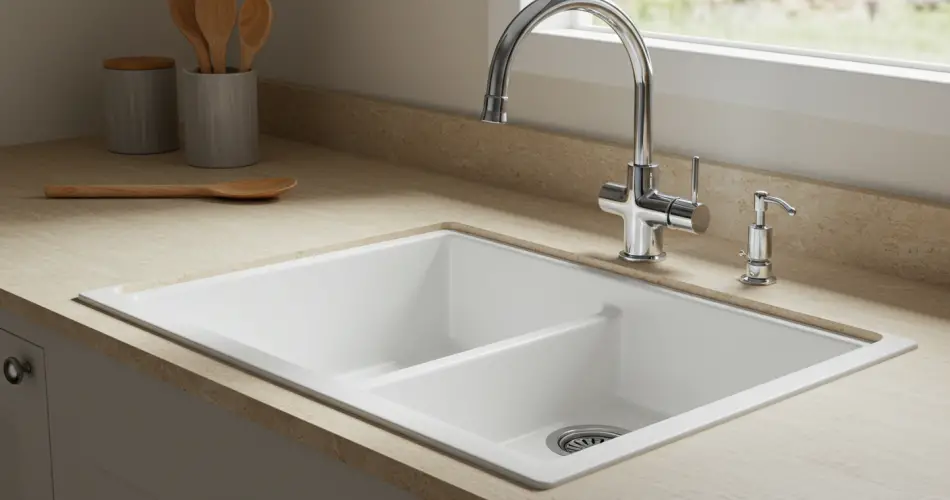
Kitchen sinks are one of the most used areas in any home, and with frequent use, they inevitably develop stains and marks that can make the surface look dull. While stainless steel sinks are durable and resistant to corrosion, regular use exposes them to water spots, soap scum, and mineral deposits that can be difficult to remove. Fortunately, there are simple, natural solutions that restore your sink’s shine without the need for harsh chemicals.
Why Your Sink Gets Stained
Everyday activities like washing dishes, rinsing vegetables, and even filling pots with water contribute to the gradual accumulation of stains on the sink. Hard water deposits, in particular, leave unsightly white marks, while residue from soap, detergents, or certain foods can build up over time. Although these stains may seem permanent, with the right approach and ingredients, you can make your sink look like new again.
A Simple Natural Trick for Shiny Stainless Steel
One highly effective household method comes from a classic “grandma’s trick” that uses a common, often overlooked ingredient: talcum powder. Talc, usually found in every home, can work wonders on stubborn stains and water marks. Much like vinegar and baking soda, talc has versatile cleaning properties that make it perfect for use in the kitchen.
Here’s how to use talcum powder to clean your sink:
-
Begin by cleaning your sink as usual, removing any loose dirt or food residues.
-
Sprinkle a generous amount of talcum powder directly over the areas with stubborn stains or limescale.
-
Allow the talc to sit for approximately 40 minutes. This resting period lets the powder absorb residues and loosen deposits.
-
Afterward, wipe away the talc with a clean microfiber cloth.
The result is a sparkling, stain-free sink, with the stainless steel restored to its original luster. This method is simple, natural, and highly effective, making it a preferred choice for those seeking eco-friendly cleaning solutions.
Additional Uses for Talcum Powder in the Home
Talcum powder isn’t just for keeping babies’ skin dry—it has many practical applications around the home. Its absorbent properties and gentle abrasive action make it ideal for various cleaning and maintenance tasks:
1. Deodorize Cabinets and Drawers
Over time, clothes stored in tightly closed cabinets or drawers can develop musty odors. Talcum powder can act as a natural deodorizer. Simply pour some talc into a small bowl and place it in the cabinet. The powder will help absorb moisture and release a subtle fragrance, keeping your storage spaces fresh.
2. Remove Fresh Grease Stains from Clothing
Accidental spills of oil or greasy foods are common in everyday life. Talc can help remove these stains effectively if applied while the stain is still fresh. Sprinkle talc generously over the affected area, allow it to absorb the oil for a few seconds, and then gently brush it off with a soft brush. This method works best on fresh stains and can save your clothing from harsher chemical treatments.
3. Clean Glass and Mirrors
Talcum powder can also help clean glass surfaces and mirrors. To create a natural glass cleaner, mix 1 tablespoon of talc with 350 ml of warm water in a spray bottle. Shake the mixture before each use, as talc doesn’t dissolve in water. Spray it lightly onto the glass, then wipe immediately with a microfiber cloth. Follow up with a dry, dust-free cloth to remove any residual powder, leaving your mirrors and windows streak-free and sparkling.
4. Repel Ants Naturally
For those dealing with ant infestations, talcum powder can serve as a natural alternative to chemical repellents. Sprinkle the powder along walls, in corners, and near entry points. The texture and smell of talc are unpleasant for ants, discouraging them from crossing treated areas. This method is safe for homes with children and pets, offering a chemical-free solution to a common household nuisance.
Why Talcum Powder Works
Talc is highly absorbent and mildly abrasive, which makes it excellent for lifting residues, stains, and moisture. Its gentle properties mean it won’t scratch stainless steel, glass, or delicate surfaces, yet it can still deliver a noticeable cleaning effect. Additionally, its versatility means you can rely on talc for multiple household chores, reducing the need for specialized chemical products.
Maintenance Tips for Stainless Steel Sinks
To maintain a shiny, stain-free sink, a few regular practices can help:
-
Rinse After Use: Always rinse your sink after washing dishes to remove soap and food residues.
-
Dry Thoroughly: Wipe the sink dry with a clean towel to prevent water spots and mineral deposits.
-
Avoid Harsh Chemicals: Strong chemicals can damage the steel or remove protective finishes. Stick to natural solutions like talc, vinegar, and baking soda.
-
Routine Cleaning: Incorporate talc into your regular cleaning routine to keep the surface gleaming and free from stubborn marks.
Conclusion
Talcum powder is a surprisingly versatile household tool. Beyond its traditional uses, it provides a simple, eco-friendly solution for cleaning stainless steel sinks, removing fresh grease stains, deodorizing cabinets, polishing glass, and even repelling ants. By adopting these natural cleaning methods, you can save money, reduce exposure to harsh chemicals, and maintain a spotless, hygienic home.
Whether tackling persistent sink stains or enhancing overall cleanliness, talc proves to be an invaluable ingredient in any household. Its effectiveness, combined with its safety and accessibility, makes it a true multitasking solution for modern living. With just a few simple steps, your sink can shine like new, and your home can benefit from the many other practical uses of talcum powder.