Buying new shoes is always exciting, but there’s nothing more frustrating than discovering that your new pair is just a little too tight. Whether it’s a slightly snug fit or a pair that pinches painfully, tight shoes can cause discomfort, blisters, and even long-term foot issues if not addressed. While returning or exchanging shoes is ideal, sometimes this isn’t an option, especially if the shoes are a gift or you’ve already invested in them. Fortunately, there are several proven methods, recommended by cobblers and shoe experts, to gently stretch and soften tight shoes at home.
Why Shoes Become Too Tight
Shoes can feel tight for various reasons. Different brands, materials, and designs can affect fit, and your foot size may fluctuate slightly due to temperature, activity, or swelling. Leather, suede, and synthetic materials all react differently when stretched, so it’s important to know your shoe type before attempting any stretching method.
A minor difference in size—such as a half-size too small—can often be adjusted using simple techniques. However, if the size difference is significant, stretching may not be enough, and wearing the shoes could lead to injury. Always choose quality shoes that provide adequate support, as stretching methods work best on well-constructed footwear.
Effective Methods to Stretch Shoes
Several home remedies can help loosen tight shoes, each with varying degrees of success depending on the material. Here are some reliable methods you can try:
1. Newspaper and Alcohol Method
This classic technique is inexpensive and easy to implement.
Steps:
-
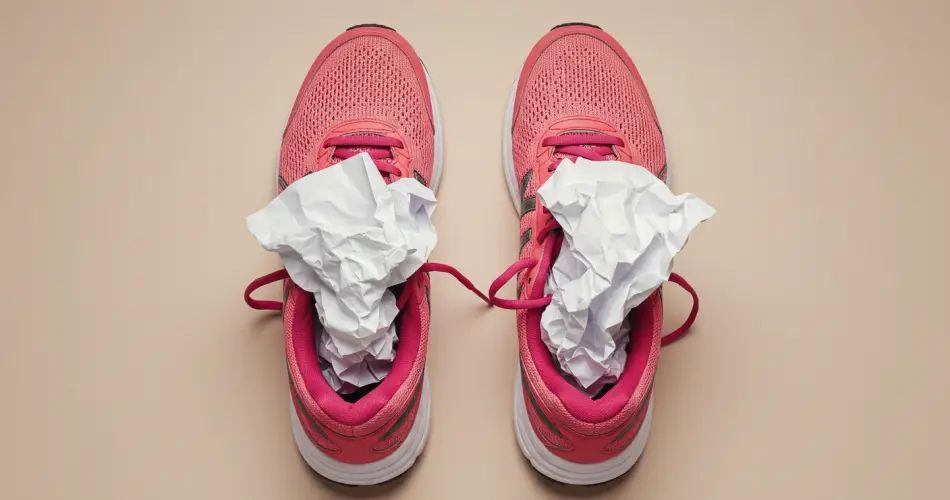
Take a large sheet of newspaper and roll it tightly.
-
Dampen the newspaper with rubbing alcohol. Using a spray bottle can help apply the alcohol evenly.
-
Insert the wet newspaper into the shoes, ensuring it reaches the toes.
-
Let the shoes rest overnight.
As the alcohol evaporates, it softens the material slightly, allowing the shoes to expand. This method works particularly well with leather and synthetic shoes but may be less effective for rigid or heavily structured footwear.
2. Ice Method
A more unusual but highly effective method involves ice.
Steps:
-
Fill a freezer bag partially with water and seal it tightly.
-
Place the bag inside the shoe. Make sure it fits snugly without overstuffing.
-
Put the shoes in the freezer overnight.
As the water freezes, it expands, gently stretching the shoe from the inside. Remove the ice bag once frozen and let the shoes thaw to room temperature before wearing them. This method is particularly suitable for leather shoes, which adapt well to gradual stretching.
3. Potato Method
The potato method may sound strange, but it’s an old cobbler trick that works.
Steps:
-
Peel a potato and place it inside the shoe. The starch in the potato absorbs moisture and creates gentle pressure, helping the shoe expand.
Be cautious with delicate materials that may be sensitive to moisture, and always test a small area first. This method can also help reduce odors inside the shoe.
4. Hair Dryer Method
Heat can make shoes more flexible and easier to stretch.
Steps:
-
Put on a pair of moderately thick socks and wear the tight shoes.
-
Using a hair dryer, direct hot air around the tight areas of the shoe, keeping the dryer about 15 cm away from the material.
-
Move your feet and flex your toes while heating to allow the shoe to mold to your foot shape.
This method works best for leather and synthetic shoes, but be careful not to overheat, as excessive heat can damage delicate materials.
5. Thick Socks Method
Sometimes, the simplest solution is the easiest.
Steps:
-
Put on thick socks and wear the shoes indoors.
-
Walk around for 30 minutes to an hour.
The extra layer gradually stretches the shoes, helping them conform to the natural shape of your feet. This method is ideal for breaking in new shoes before wearing them to an event or for extended periods.
6. Regular Wear
Shoes will naturally soften and stretch when worn consistently.
Tips:
-
Wear tight shoes indoors for short periods daily to allow gradual stretching.
-
Avoid prolonged outdoor use initially to prevent discomfort or blisters.
Consistent use allows the material to adapt to your foot shape without forcing it aggressively.
Tips for Success
-
Know your shoe material: Leather and synthetic materials respond best to these methods, while suede and delicate fabrics require gentler techniques.
-
Avoid over-stretching: Excessive force can damage stitching or distort the shoe shape.
-
Moisturize leather: After stretching, applying a leather conditioner can help maintain flexibility and prevent cracking.
-
Protect your feet: Always wear thick socks when using heat or alcohol methods to prevent burns or irritation.
Conclusion
Tight shoes no longer have to be a source of frustration. By using these practical methods—newspaper with alcohol, ice, potatoes, a hair dryer, thick socks, or regular wear—you can expand and soften your shoes safely at home. Each method can be tailored to the shoe material and your comfort level, allowing you to wear your new shoes confidently without pain.
Whether you’re breaking in a brand-new pair of heels, sneakers, or leather dress shoes, these tried-and-true techniques will help you achieve a perfect fit. With a little patience and the right method, even the most stubborn shoes can become comfortable, stylish, and ready for everyday wear.