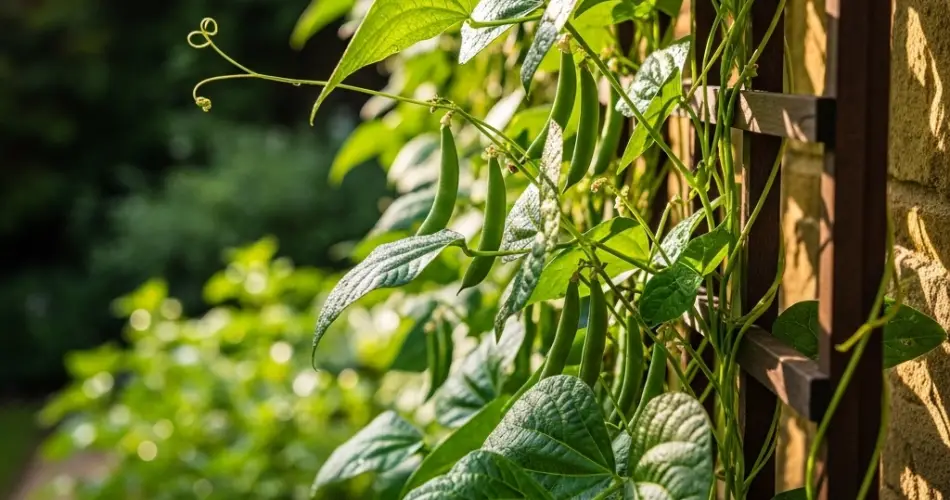
Beans are one of the most rewarding crops for home gardeners. They germinate quickly, grow vigorously, and produce generous harvests throughout the season. While bush beans are compact and self-supporting, climbing or pole beans require some form of structure to reach their full potential. Training them onto a wall trellis is one of the most efficient and space-saving solutions. Not only does this method maximize vertical space, but it also makes harvesting and maintenance much easier. With a few clever hacks, wall trellis gardening for beans can be both simple and highly productive.
Why Train Beans on a Wall Trellis?
Pole beans are natural climbers. Their vines can grow up to 8–10 feet tall and will happily twine around any available support. A wall trellis provides a stable, upright structure that encourages healthy growth. Growing beans vertically improves airflow, which reduces the risk of mildew and fungal diseases. It also keeps the pods clean, prevents rot, and makes them easier to spot and pick. For small gardens, patios, or urban yards, using walls for vertical growing is a clever way to save space.
Choosing the Right Wall Trellis
Not all trellises are created equal, and choosing the right one is key to long-term success. Consider these popular options:
-
Wooden lattice panels: Classic and decorative, they can be attached directly to walls or fences. They’re sturdy enough for beans while adding rustic charm.
-
Metal mesh or wire grids: Durable and slim, they provide excellent grip for bean tendrils and are easy to mount on brick, wood, or concrete walls.
-
String trellises: Simple and cost-effective, ideal for temporary setups. Strings can be tied from hooks or nails along the wall.
-
Expandable trellises: Adjustable designs made from wood or plastic that can be stretched to fit different spaces.
Whichever trellis you choose, ensure it is at least 6–8 feet tall to accommodate the beans’ vigorous growth.
Clever Hacks for Wall Trellis Bean Training
1. Use Hooks and Eyelets for Easy Setup
Instead of permanently fixing your trellis, install heavy-duty hooks or eyelets on the wall. This allows you to hang or remove the trellis panels seasonally, making crop rotation easier. It also gives you flexibility if you want to try growing cucumbers, peas, or other climbers in future seasons.
2. Guide Seedlings Early
Bean vines are excellent climbers, but young seedlings sometimes need a little help. As soon as the plants sprout, gently guide the vines toward the trellis and secure them with soft ties or garden clips. Once they’ve latched on, they’ll continue climbing naturally.
3. Use a Vertical and Horizontal Mix
Beans twine more easily around vertical supports, but adding a few horizontal crossbars or wires can make the trellis sturdier. The combination gives the vines more options to latch onto, especially in windy conditions.
4. Reuse Materials Creatively
If you don’t want to buy a trellis, recycle what you already have. Old bed frames, wooden ladders, or leftover construction mesh can be repurposed into wall-mounted trellises. This not only saves money but also supports sustainable gardening.
5. Train Vines in a Fan Shape
Instead of letting beans grow straight up, spread the vines out in a fan-like pattern across the trellis. This maximizes light exposure for each plant, reduces shading, and creates an attractive green wall effect.
6. Add Mulch at the Base
Since beans will be climbing up a wall, the base of the plants often sits in a narrow strip of soil. Mulching this area with straw or compost helps retain moisture, keeps roots cool, and prevents weeds from competing with your beans.
Planting and Caring for Wall-Trained Beans
Sow bean seeds directly into the soil at the base of your wall trellis once the danger of frost has passed. Space seeds about 6 inches apart to prevent overcrowding. Pole beans thrive in full sun and well-drained soil enriched with compost.
As the plants grow, keep an eye on their progress up the trellis. Redirect any wandering vines back toward the wall and secure them gently if needed. Water consistently, especially during dry spells, but avoid overwatering, which can cause root rot. Since beans fix their own nitrogen, they don’t need heavy fertilization—just occasional organic compost to support pod development.
Harvesting Made Simple
One of the greatest perks of wall trellis gardening is the convenience of harvesting. Pods dangle freely and are easier to spot against the trellis backdrop. Pick beans when they are young and tender, usually about 4–6 inches long. Regular harvesting encourages the plants to keep producing, ensuring a continuous supply throughout the season.
Extra Benefits of Wall Trellises
Aside from supporting beans, wall trellises can serve multiple purposes in the garden. They create natural privacy screens, provide shade for nearby crops, and enhance the visual appeal of a plain wall or fence. In urban gardens, they maximize vertical space, making even a small backyard or balcony highly productive.
Final Thoughts
Wall trellis hacks for bean training prove that vertical gardening is both practical and rewarding. With a few smart tricks—such as guiding vines early, reusing materials, and arranging plants in a fan shape—you can turn any bare wall into a thriving, green, and productive space. Whether you’re working with a small patio, a narrow backyard, or a spacious garden, wall trellises offer an easy way to grow beans efficiently while adding beauty and function to your space.
By blending creativity with simple techniques, you can enjoy abundant bean harvests while making the most of your vertical gardening opportunities.


