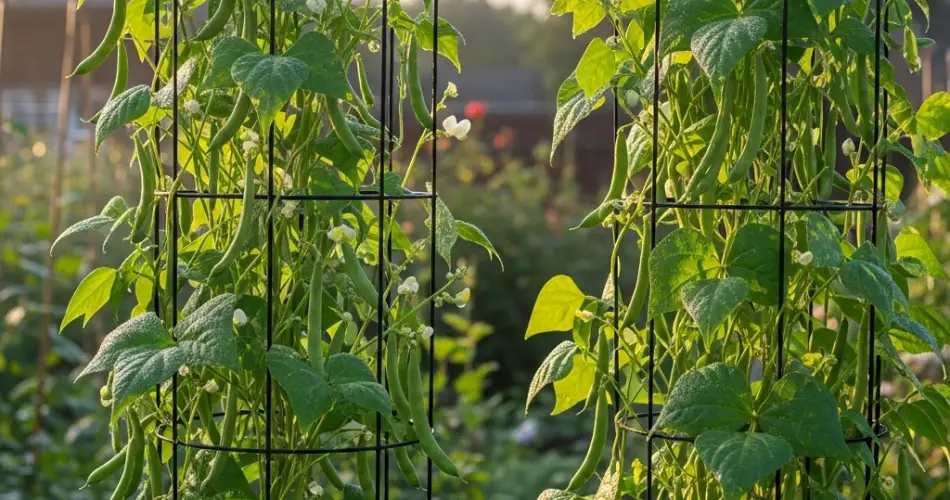
Climbing beans are a popular choice among home gardeners because of their high yields, vertical growth habit, and flavorful pods. Unlike bush varieties, climbing beans require support structures to thrive, as their vigorous vines can quickly sprawl across the ground without proper guidance. Strong metal frames offer an ideal solution, providing stability, durability, and the support necessary for healthy, productive bean plants. Whether you are growing beans in a garden bed or large containers, metal frames can maximize space, improve plant health, and simplify harvesting.
Why Use Metal Frames for Climbing Beans?
Climbing beans naturally wrap their tendrils around nearby structures, relying on support to grow upward. Without a frame, vines can tangle, crowd neighboring plants, and make harvesting challenging. Ground-level growth also increases the risk of soil-borne diseases, fungal infections, and pests. Metal frames allow beans to grow vertically, improving air circulation, maximizing sunlight exposure, and keeping pods clean and accessible. In addition, vertical growth conserves space, making it possible to grow more plants in limited areas such as patios, balconies, or small gardens.
Choosing the Right Metal Frame
Metal frames for climbing beans come in a variety of designs, including A-frames, trellises, arches, and cages. For best results, choose sturdy materials such as galvanized steel, wrought iron, or powder-coated metal, which resist bending, rust, and outdoor wear. When selecting a frame, consider the variety of beans you are growing. Indeterminate climbing beans, which continue producing throughout the season, require taller, more robust frames, typically between 6 to 8 feet in height. Smaller or determinate climbing varieties can be supported on shorter frames but still benefit from strong, durable structures.
Installing Metal Frames
Proper installation is critical to ensure your climbing beans remain upright and secure. For garden beds, anchor the frame firmly into the soil using stakes or brackets. In containers, place the frame directly into the pot, making sure it is stabilized by the soil or attached to the planter’s edges. A stable frame prevents tipping as the beans grow and become heavier with fruit. Vertical frames can also be positioned to maximize sunlight, ensuring all vines receive adequate exposure for healthy growth.
Planting Climbing Beans
Select fertile, well-draining soil for planting climbing beans. Incorporate organic compost or slow-release fertilizer to provide essential nutrients for vigorous growth. Plant seeds about 1 to 2 inches deep and space them 4 to 6 inches apart at the base of the metal frame. Once seedlings emerge, gently train the vines toward the frame, encouraging tendrils to wrap around the structure. Early guidance ensures vertical growth and prevents sprawling across the garden or container.
Watering and Maintenance
Consistent watering is essential for climbing beans, particularly during flowering and pod development. Keep the soil evenly moist but avoid waterlogging, which can damage roots. Mulching around the base helps retain moisture, regulate soil temperature, and suppress weeds. Pruning is generally minimal but can be used to remove damaged leaves or lateral shoots that crowd the frame. Regularly monitor vines to ensure they are climbing properly and adjust ties or supports as needed.
Pest and Disease Management
While climbing beans are relatively hardy, they can be affected by pests such as aphids, spider mites, and bean beetles. Regular inspection and prompt treatment with organic solutions like neem oil or insecticidal soap can help protect the plants. Vertical growth on metal frames reduces contact with soil-borne diseases and improves airflow, which naturally minimizes the risk of fungal infections. Maintaining healthy plants and proper spacing ensures a productive and pest-resistant crop.
Harvesting Climbing Beans
One of the advantages of growing beans on a metal frame is the ease of harvesting. Pods are elevated, visible, and accessible, reducing the risk of missing mature beans. Regular picking encourages continued production throughout the growing season. Avoid leaving pods on the vine for too long, as this can slow further fruiting. Strong metal frames keep even heavy bean vines upright, preventing breakage and ensuring the pods remain clean and undamaged.
Aesthetic and Functional Benefits
Metal frames not only support plant growth but also create a structured, visually appealing garden feature. Vertical bean plants add greenery, height, and texture to raised beds, patios, or container gardens. The durability and sleek design of metal frames make them a long-term investment for gardeners who want productive, organized, and attractive growing spaces.
Conclusion
Strong metal frames are essential for cultivating climbing bean varieties successfully. By providing sturdy, vertical support, these frames improve airflow, reduce disease risk, simplify harvesting, and maximize limited garden space. Proper selection, installation, and maintenance of metal frames ensure vigorous growth, abundant harvests, and long-lasting garden structures. Whether you are an urban gardener using containers or a backyard grower with raised beds, metal frames offer a practical, attractive, and highly effective solution for growing climbing beans year after year.


