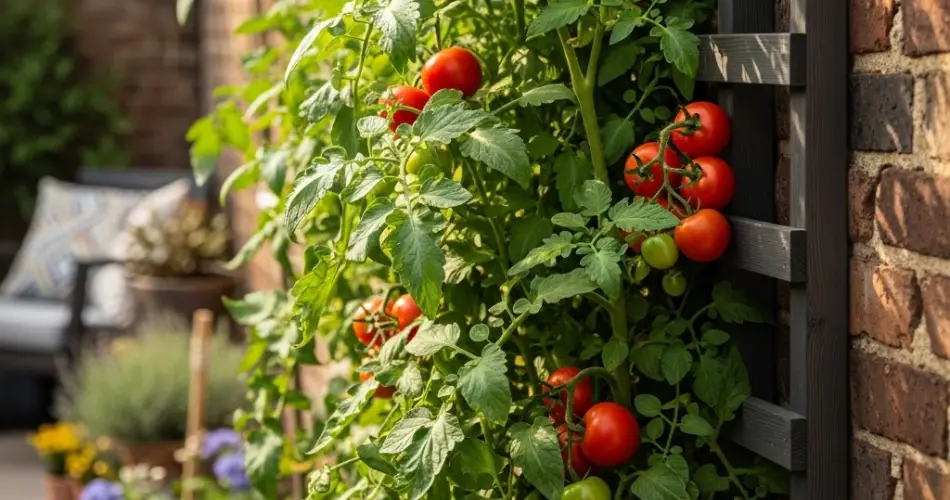
Tomatoes are a favorite among home gardeners for their versatility in the kitchen and the satisfaction of harvesting vine-ripened fruit. However, they can take up a surprising amount of space when grown traditionally. For those with compact backyards, patios, or balcony gardens, wall-mounted trellises offer a smart solution. By guiding tomato plants vertically against a wall, this method saves space, creates visual appeal, and helps produce healthier, more abundant harvests.
Why Choose a Wall-Mounted Trellis?
Tomato plants are natural climbers, but without support, they sprawl across the ground. This leads to a messy garden bed, increased pest and disease problems, and fruit that may rot from soil contact. A wall-mounted trellis solves these issues while offering additional benefits:
-
Maximized space use: Ideal for narrow patios, small gardens, and balconies.
-
Healthier plants: Improved airflow reduces the risk of fungal infections.
-
Easy harvesting: Fruits are elevated and more accessible.
-
Aesthetic charm: A wall covered in lush green vines and ripening tomatoes becomes a living feature of your garden.
For urban dwellers or anyone short on horizontal growing space, wall-mounted trellises are a practical and visually appealing way to cultivate tomatoes.
Choosing the Right Wall and Trellis Design
Before setting up a wall-mounted trellis, choose a suitable location. The wall should receive at least 6–8 hours of direct sunlight daily, as tomatoes are sun-loving plants. A south-facing wall often works best.
Trellis Material Options:
-
Wooden lattice panels: Offer a natural look and provide strong climbing support.
-
Metal grids or wire mesh: Durable and weather-resistant, great for long-term use.
-
DIY string trellises: Budget-friendly and easy to replace, though less sturdy.
For beginners, a wooden frame with horizontal slats or mesh is ideal. It combines strength with ease of installation and blends well into most outdoor spaces.
Installing a Wall-Mounted Trellis
Building a trellis for your wall is a straightforward project that requires basic tools. Here’s a simple setup method:
Materials You’ll Need:
-
Wooden boards or lattice panels (treated for outdoor use)
-
Screws, brackets, or wall anchors
-
Drill or screwdriver
-
Garden twine for additional plant training
Step-by-Step Setup:
-
Measure the wall area where you’ll mount the trellis. Aim for a height of at least 6–7 feet to accommodate tall tomato vines.
-
Install mounting brackets or anchors into the wall at regular intervals for stability.
-
Attach the trellis frame or lattice panel securely to the brackets. Ensure it stands a few inches away from the wall to allow airflow behind the plants.
-
Prepare planting containers or soil beds at the base of the trellis.
-
Plant tomatoes 18–24 inches apart for adequate growth space.
This setup ensures that as your tomatoes grow, they will climb vertically without overcrowding.
Training Tomatoes on a Wall Trellis
Tomatoes don’t naturally cling like ivy, so they need gentle guidance. As the plants grow, loosely tie the main stem to the trellis using soft ties, strips of fabric, or biodegradable garden twine. Avoid tight knots to prevent damaging stems.
For indeterminate varieties (which grow continuously), prune side shoots or “suckers” to encourage upward growth and better fruit production. Determinate (bush) varieties require less pruning but still benefit from light training for tidy growth.
Watering and Fertilizing
Tomatoes grown on wall-mounted trellises thrive with consistent watering. Use a deep watering method, focusing on the soil rather than the leaves, to prevent fungal diseases. Mulching with straw or dried leaves keeps soil moist and reduces weeds.
Feeding is equally important. Tomatoes are heavy feeders and benefit from fertilizers rich in potassium and phosphorus. Organic compost tea, fish emulsion, or slow-release tomato-specific fertilizers are excellent choices.
Advantages of Wall-Mounted Tomato Growing
Beyond space-saving, this method offers multiple practical benefits:
-
Disease prevention: Vertical growth keeps leaves and fruit off damp soil.
-
Increased yield: Energy is directed toward fruit production rather than sprawling vines.
-
Improved air circulation: Reduces chances of blight and mildew.
-
Garden design: Adds greenery to otherwise bare walls, creating a vertical garden aesthetic.
Common Challenges and Solutions
While wall-mounted trellises are highly effective, beginners may face a few challenges:
-
Overheating walls: If the wall gets too hot in summer, protect plants with shade cloth during peak heat.
-
Weak supports: Heavy tomato vines can pull on poorly anchored trellises. Always use strong brackets and secure fastenings.
-
Neglected pruning: Allowing too many shoots leads to tangled growth. Regular pruning ensures tidy vines and healthier fruit.
Harvesting Trellis-Grown Tomatoes
Once fruits ripen, harvesting is simple. Elevated tomatoes are easy to spot and pick, often cleaner and less prone to blemishes than ground-level ones. Regular harvesting also encourages continuous fruiting, ensuring you enjoy fresh tomatoes throughout the season.
Final Thoughts
A wall-mounted trellis is a clever and attractive solution for growing tomatoes in limited spaces. It combines practicality with aesthetics, turning a plain wall into a productive, living garden feature. With the right setup, consistent care, and a little training, you can enjoy healthy plants and plentiful harvests even in small urban settings.
Whether you’re a beginner gardener or an experienced grower seeking new space-saving methods, wall-mounted trellises offer a sustainable and rewarding way to grow fresh, delicious tomatoes right at home.


