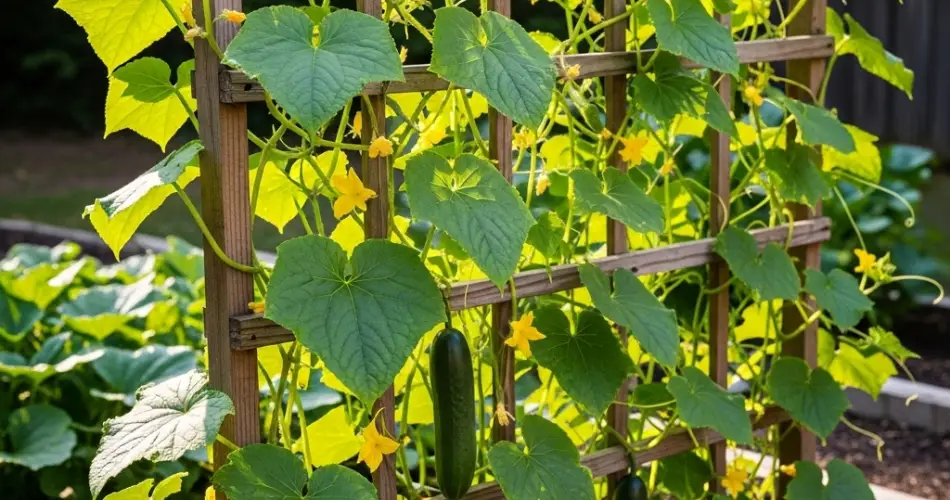
Cucumbers are a popular garden vegetable prized for their crisp texture and refreshing flavor. While they can be grown on the ground, providing vertical support with a wooden A-frame trellis encourages healthier plants, cleaner fruit, and higher yields. Training cucumbers on a sturdy trellis not only saves space but also improves air circulation, reduces disease risk, and makes harvesting easier. For gardeners with limited space or those looking to add a rustic aesthetic to their garden, wooden A-frame trellises are an ideal solution.
Benefits of Using Wooden A-Frame Trellises
Cucumbers are natural climbers, and when left to sprawl on the ground, they are more susceptible to pests, disease, and fruit rot. Wooden A-frame trellises provide a strong vertical structure for cucumber vines to climb, keeping leaves and fruit elevated off the soil. This vertical training promotes better sunlight exposure and air circulation, which helps prevent fungal infections and encourages even fruit ripening. Additionally, trellised cucumbers are easier to harvest and maintain, reducing the risk of damage to the plants and fruit.
Choosing the Right Wooden A-Frame Trellis
Selecting the proper trellis is essential for successful cucumber training. A-frame trellises are typically made from durable wood, such as cedar or treated pine, which can withstand outdoor conditions. The frame should be sturdy enough to support the weight of mature cucumber plants and their developing fruit. A typical A-frame trellis is around 6–7 feet tall and 3–4 feet wide, providing ample space for vine growth. Ensure the structure is stable and securely anchored into the soil to prevent tipping or collapsing as plants grow and heavy fruits develop.
Preparing Cucumbers for Trellis Training
Before training cucumbers on a trellis, prepare the plants properly. Start with healthy seedlings or direct-sown seeds in nutrient-rich, well-draining soil. Cucumbers require full sun and consistent moisture to thrive. Provide enough spacing between plants to allow airflow and prevent overcrowding, which can increase the risk of disease. Fertilize the soil before planting with a balanced, slow-release organic fertilizer to support strong root development and vigorous growth.
Training Cucumbers on the A-Frame
Once cucumber seedlings have developed strong stems and a few sets of true leaves, they can be trained onto the A-frame trellis. Gently guide the main vines toward the trellis and loosely tie them to the frame using soft garden ties, twine, or strips of cloth. Avoid tying too tightly to prevent damage to the stems. As the vines grow, continue to guide side shoots upward, encouraging them to wrap around the trellis or climb naturally. Regular training ensures the plants grow vertically, which maximizes space and keeps fruit off the ground.
Pruning and Maintenance
Pruning cucumbers is important for maintaining healthy plants and encouraging fruit production. Remove yellowing, damaged, or crowded leaves to improve airflow and light penetration. Pinch off lateral shoots that grow excessively to focus the plant’s energy on fruit development. Monitor for pests, such as aphids, cucumber beetles, and spider mites, and control infestations using organic methods like neem oil or insecticidal soap. Regular pruning and maintenance help prevent disease and support the production of large, high-quality cucumbers.
Watering and Fertilizing
Cucumbers trained on an A-frame require consistent watering. Wooden trellises elevate the soil around the plants, which can dry out faster than in-ground beds. Check soil moisture regularly and water deeply when the top inch of soil feels dry. Mulching around the base of the plants with straw or shredded leaves helps retain soil moisture and suppress weeds. Fertilize every few weeks with a balanced liquid fertilizer to encourage continuous growth and healthy fruit development.
Harvesting Cucumbers from a Trellis
Cucumbers are ready for harvest when they reach their mature size, usually 6–8 inches for slicing varieties, depending on the type. Harvesting is easier with a trellis because the fruits hang visibly, reducing the risk of missing ripe cucumbers. Regular harvesting promotes continued fruit production and prevents overripe cucumbers from weighing down the vines. Cut fruits with a clean knife or garden shears to avoid damaging the plant.
Final Tips for Successful A-Frame Cucumber Gardening
Training cucumbers on wooden A-frame trellises is a space-efficient, practical, and visually appealing gardening method. By providing sturdy support, proper training, consistent care, and regular pruning, gardeners can enjoy healthier plants and higher yields. Wooden A-frame trellises not only improve cucumber growth but also add rustic charm to any garden, balcony, or backyard space. With careful attention and maintenance, your trellised cucumber plants will produce crisp, flavorful fruits while keeping your garden organized and productive.


