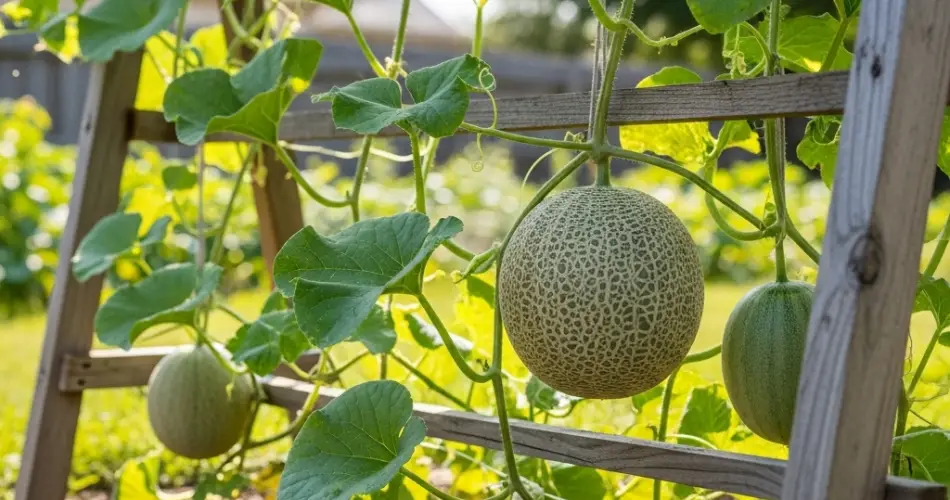
Melons such as cantaloupe and honeydew are garden favorites, celebrated for their refreshing sweetness and summer charm. Yet, growing them often poses a challenge because their sprawling vines demand a large amount of ground space. For gardeners working with compact plots, raised beds, or urban courtyards, dedicating that much room isn’t always possible. Fortunately, wall-mounted lattices provide an excellent solution, transforming empty vertical surfaces into productive melon-growing systems that maximize space and efficiency.
Why Vertical Growing Works for Melons
Melons naturally spread across the ground, but when trained to climb, they grow just as vigorously while offering additional benefits:
-
Space Efficiency: By lifting vines off the soil, gardeners free up valuable ground for other crops.
-
Cleaner Fruits: Elevated melons avoid direct contact with damp soil, reducing rot and pest damage.
-
Healthier Plants: Better airflow around vines helps prevent fungal diseases like powdery mildew.
-
Easier Harvesting: Fruits hanging at eye level are easier to monitor and pick at peak ripeness.
-
Visual Appeal: Lattices covered in melon foliage and blossoms double as living garden décor.
Why Choose Wall-Mounted Lattices?
While freestanding trellises and arches are popular, wall-mounted lattices offer unique advantages:
-
Compact Design: Perfect for gardeners with limited ground space, especially in urban areas.
-
Stability: Anchoring to a wall or fence creates a secure structure that can support heavy melon vines and fruits.
-
Neat Appearance: Wall lattices turn plain, unused walls into lush vertical gardens.
-
Flexibility: Lattices can be installed in various sizes, adapting to the available wall space.
Whether made of wood, metal, or vinyl, wall-mounted lattices combine strength with aesthetic value, making them versatile tools for space-saving melon gardening.
Choosing the Right Lattice for Melons
Not all lattices are equally suitable for heavy-fruited plants like melons. When selecting or building one, keep the following in mind:
-
Material Strength: Wood (such as cedar or redwood) and powder-coated metal are excellent choices for supporting weight.
-
Grid Size: Openings should be wide enough for vines to weave through easily, but tight enough to provide stable anchoring points.
-
Height and Width: Lattices should be tall enough for vines to climb and wide enough to allow good spacing between plants.
-
Durability: Weather-resistant finishes protect wood from rot and prevent rust on metal.
Training Melons on Wall-Mounted Lattices
Since melons don’t naturally cling like beans, they need guidance and occasional support to grow vertically. Here’s how to get started:
-
Planting: Sow melon seeds or transplant seedlings about 12–18 inches from the base of the wall lattice.
-
Guiding Vines: As vines grow, weave them gently through the lattice openings and secure with soft ties or twine.
-
Supporting Fruits: Use fabric slings, mesh bags, or netting tied to the lattice to cradle developing melons. This prevents strain on vines and ensures even ripening.
-
Pruning: Trim excess leaves and side shoots to direct the plant’s energy toward fruit production and improve airflow.
With consistent care, vines will cover the lattice beautifully while supporting healthy, hanging melons.
Best Melon Varieties for Vertical Growth
Some melon types are better suited for wall-mounted lattices than others. Smaller to medium-sized varieties perform best, such as:
-
Cantaloupe (muskmelon) – Compact fruits that ripen quickly.
-
Honeydew – Lighter fruits with smooth rinds.
-
Galia Melons – Sweet, aromatic hybrids perfect for trellises.
-
Small Butternut or Mini Watermelons – Manageable sizes that thrive in vertical systems.
Large, heavy watermelons may require extra reinforcement or alternative supports.
Caring for Wall-Grown Melons
Melons grown vertically require the same essentials as ground-grown vines, but with added attention to trellis management:
-
Sunlight: At least 6–8 hours of full sun is crucial for sweet fruits.
-
Watering: Keep soil evenly moist during early growth but reduce watering once fruits begin ripening.
-
Fertilization: Apply a balanced fertilizer high in potassium and phosphorus to support fruit set and flavor.
-
Pollination: Ensure flowers are pollinated by encouraging bees with companion flowers or by hand-pollinating if needed.
Harvesting from Wall Lattices
One of the biggest advantages of wall-mounted lattices is simplified harvesting. Fruits dangle in plain sight, making it easy to judge ripeness by color, aroma, and whether the stem slips easily from the fruit. This upright positioning reduces the need for bending or searching through dense foliage.
Conclusion
Wall-mounted lattices are a smart, space-saving solution for growing melons in small gardens or urban environments. They provide strong support for heavy vines, keep fruits clean and healthy, and transform bare walls into lush, productive vertical gardens. With the right variety selection, sturdy lattice design, and careful training, cantaloupe, honeydew, and other melons can thrive in even the tightest spaces.
By adopting this method, gardeners can enjoy sweet summer harvests while maximizing space and adding beauty to their outdoor areas. Rustic or modern, wooden or metal, a wall-mounted lattice can become the backbone of a thriving vertical melon garden.


