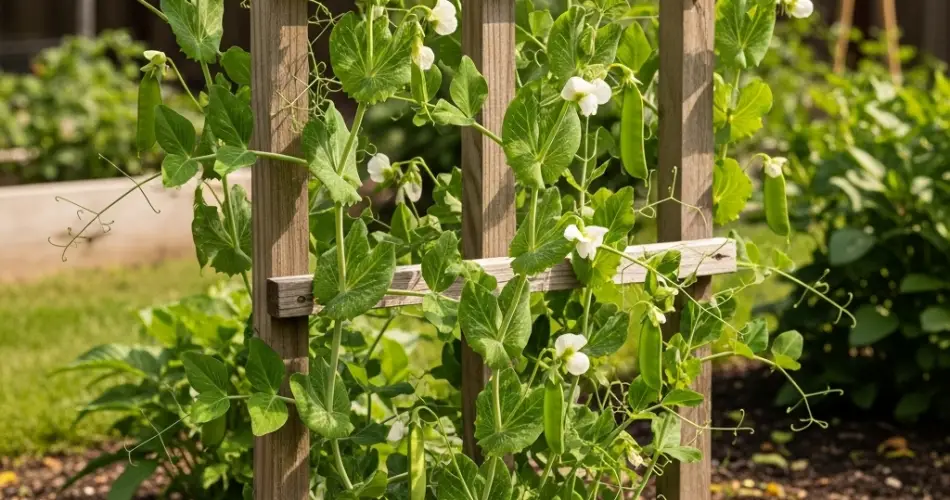
Peas are among the most delightful crops to grow in a home garden. Sweet, crisp, and versatile, they taste best when harvested fresh and eaten straight from the vine. However, peas are natural climbers, and without proper support, they sprawl across the ground, becoming tangled, prone to pests, and more difficult to harvest. One of the smartest solutions for modern gardeners—especially those with limited space—is vertical pea growing with wall trellis systems. These trellises not only provide sturdy support for climbing vines but also save valuable garden space while creating a lush green backdrop.
Why Choose Vertical Growing for Peas?
Growing peas vertically offers multiple advantages, especially for small gardens, patios, or urban spaces.
-
Space efficiency: Training vines upward frees soil area for companion crops.
-
Healthier plants: Improved air circulation reduces fungal problems.
-
Easier harvesting: Pods hang visibly, making them simple to pick.
-
Cleaner crops: Elevated plants keep pods away from soil, minimizing dirt and rot.
-
Decorative value: Green walls of pea vines add beauty to fences and house exteriors.
Benefits of Wall Trellis Systems
Wall trellises are specifically designed for vertical gardening, and they work beautifully for peas. Some of the key benefits include:
-
Stability: Anchored to walls or fences, these trellises withstand strong winds and heavy vines.
-
Customizable size: They can be scaled to fit any wall or space.
-
Durability: Materials such as wood, metal, or wire mesh can last for many growing seasons.
-
Multi-use: After peas are harvested, the same trellis can support other climbers like beans, cucumbers, or flowering vines.
Types of Wall Trellis Systems for Peas
1. Wooden Slat Trellis
A wooden trellis made of slats or lattice panels is a classic choice. It provides plenty of gripping points for pea tendrils.
Advantages:
-
A natural, rustic look that blends with most garden designs.
-
Easy to build with basic tools and inexpensive lumber.
-
Can be painted or stained for weather protection.
2. Wire or Mesh Trellis
Galvanized wire or mesh panels attached to a wall are lightweight yet strong, making them ideal for peas.
Why it works well:
-
Narrow gaps allow pea tendrils to grip easily.
-
Resistant to rust and weathering.
-
Minimalist appearance that doesn’t overshadow plants.
3. String or Net Trellis
For a quick and budget-friendly option, gardeners can use heavy-duty string or nylon netting attached to hooks or nails along a wall.
Best features:
-
Very inexpensive and easy to install.
-
Can be taken down and replaced after each season.
-
Flexible enough to fit any wall size.
4. Decorative Wall Frames
If you want functionality and beauty, decorative trellis panels made of wrought iron or ornate wood can double as garden art while supporting peas.
Added benefits:
-
Enhances outdoor aesthetics.
-
Long-lasting and reusable for different crops.
-
Creates a living green wall effect.
Setting Up a Wall Trellis System
-
Choose the right location: Select a sunny wall that gets at least 6–8 hours of sunlight daily.
-
Install the trellis securely: Attach it to the wall or fence with sturdy brackets, nails, or screws. Ensure it can support the weight of mature vines.
-
Prepare the soil: Work compost or organic fertilizer into the soil about 6–12 inches from the wall where the peas will be planted.
-
Plant peas at the base: Space seeds or seedlings 2–3 inches apart along the trellis.
-
Guide young vines: As shoots appear, gently train them to the trellis until they latch on naturally.
-
Water consistently: Keep the soil evenly moist but not waterlogged.
Tips for Success with Vertical Pea Growing
-
Mulch the base: Mulch helps retain soil moisture and keeps roots cool.
-
Avoid overcrowding: Thin seedlings if necessary to prevent competition.
-
Support tall varieties: Some peas grow up to 6 feet, so ensure your trellis is tall enough.
-
Harvest regularly: Pick pods often to encourage more production.
-
Rotate crops: Avoid planting peas in the same location every season to reduce disease risks.
Creative Ways to Use Wall Trellises
-
Balcony gardens: Attach netting or small trellis panels to balcony railings for container-grown peas.
-
Living screens: Use a wall trellis to create privacy with dense pea foliage.
-
Companion planting: Grow leafy greens or herbs at the base to make use of shaded soil.
-
Seasonal flexibility: After peas finish, plant climbing beans or flowering vines on the same trellis.
Final Thoughts
Wall trellis systems make vertical pea growing both practical and beautiful. By guiding vines upward, you save space, improve harvests, and keep plants healthier. Whether you choose a rustic wooden frame, a sturdy wire panel, or a decorative design, wall trellises transform plain walls into productive vertical gardens.
For gardeners with limited space, they are a game-changer—allowing you to enjoy the sweetness of homegrown peas without sacrificing valuable ground area. With just a little planning and care, a wall trellis can turn your peas into one of the highlights of your garden season.


