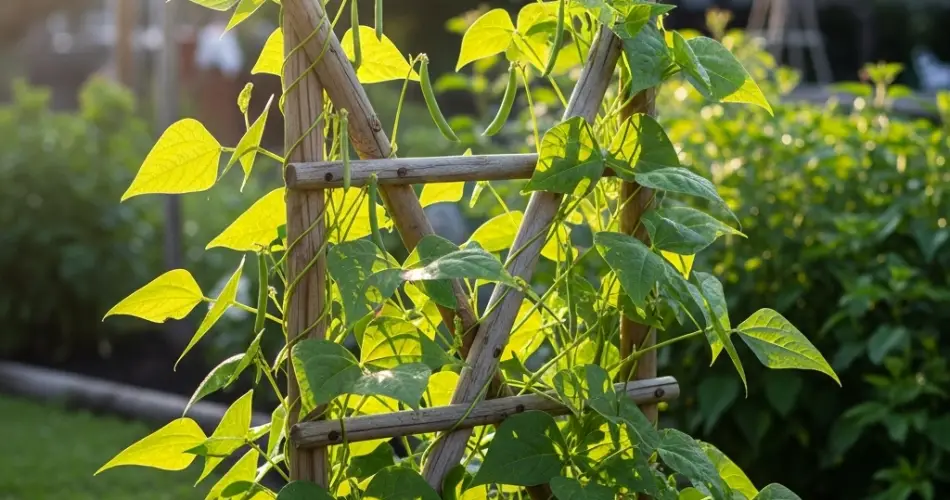
Growing beans is one of the simplest and most rewarding ways to add productivity and greenery to a garden. However, climbing bean varieties, such as pole beans and runner beans, require strong vertical support to thrive. While there are many modern structures available, rustic wooden bean ladders remain a timeless and functional choice. These ladders not only provide sturdy support but also bring natural charm to gardens, blending practicality with rustic design.
Why Use Bean Ladders?
Beans are vigorous climbers that can quickly outgrow small stakes or weak supports. Without proper structures, they tangle, fall over, or sprawl across the ground, reducing airflow and making harvests more difficult. Ladders designed specifically for beans offer:
-
Vertical Growth: They encourage beans to climb upward, saving ground space.
-
Healthy Plants: Better air circulation reduces the risk of fungal diseases.
-
Ease of Harvesting: Pods hang neatly, making picking easier and more efficient.
-
Garden Aesthetics: Rustic wooden ladders add a natural, handcrafted look that enhances the garden’s visual appeal.
The Rustic Appeal of Wooden Ladders
In an age of metal and plastic garden supports, wooden ladders stand out for their warmth and authenticity. Their natural texture blends seamlessly into vegetable gardens, cottage-style landscapes, or even modern outdoor spaces. Over time, wood develops a weathered patina that enhances the rustic charm, making them both functional and decorative.
Choosing the Right Wood
The durability of a bean ladder depends largely on the type of wood used. Ideal choices include:
-
Cedar and Redwood: Naturally resistant to rot and pests, these woods are excellent for outdoor use.
-
Hardwood Branches: Fallen tree branches can be repurposed into sturdy supports. Their irregular shapes add extra rustic charm.
-
Bamboo: Though technically grass, bamboo is lightweight, strong, and perfect for ladder-style frames.
Avoid softwoods like untreated pine, which deteriorate quickly when exposed to moisture. If using reclaimed wood, ensure it has not been treated with chemicals that could leach into the soil.
Building a Rustic Bean Ladder
Making a wooden bean ladder is a simple project that requires only basic tools. Here’s how you can create one:
-
Gather Materials: You’ll need two sturdy poles for the sides and several shorter branches or slats for the rungs.
-
Cut to Size: Side poles should be 6–8 feet tall to accommodate climbing beans. Rungs can be 12–18 inches wide.
-
Assemble the Ladder: Lay the poles parallel and evenly space the rungs between them. Secure with nails, screws, or strong twine.
-
Anchor in the Soil: Push the bottom ends of the ladder into the soil at least 6 inches deep to keep it stable. For added support, lean the ladder against a wall, fence, or another trellis.
The result is a sturdy structure that can hold vigorous bean vines throughout the growing season.
Training Beans on Wooden Ladders
To ensure beans climb properly, plant seeds directly at the base of the ladder. As seedlings sprout, gently guide their tendrils onto the rungs. Beans are natural climbers and will soon wind upward on their own. Periodically check their growth and redirect vines to prevent tangling.
As the ladder fills with foliage, the rungs provide support not just for stems but also for heavy clusters of pods. This vertical display makes harvesting convenient, as pods hang visibly at different heights.
Benefits Beyond Beans
While bean ladders are designed for climbing beans, they can support other plants as well. Peas, cucumbers, and even flowering vines like morning glories or sweet peas can use the same rustic structures. This versatility makes wooden ladders a valuable long-term addition to any vertical garden.
Care and Maintenance
Wooden ladders naturally weather over time, but a few simple steps extend their life:
-
Store ladders indoors or under cover during winter to prevent rot.
-
Brush off soil and debris at the end of the growing season.
-
If desired, apply a natural sealant or linseed oil for extra protection against moisture.
Properly cared for, a rustic wooden bean ladder can last several seasons while gaining more character each year.
A Sustainable Garden Choice
One of the greatest advantages of rustic wooden ladders is sustainability. Many gardeners build them using repurposed branches, reclaimed wood, or bamboo, minimizing waste and avoiding the need for synthetic materials. This eco-friendly approach not only reduces costs but also aligns with sustainable gardening practices.
Conclusion
Rustic wooden bean ladders offer both form and function in vertical gardens. They provide climbing beans with the sturdy support they need to flourish while enhancing the garden with a natural, handcrafted look. Easy to build, sustainable, and versatile, these ladders are a practical solution for small spaces and large plots alike.
By incorporating rustic wooden ladders into your vertical garden, you create a structure that grows more beautiful with time—just like the plants it supports. With a little care and creativity, they will serve as reliable supports for bountiful harvests season after season.


