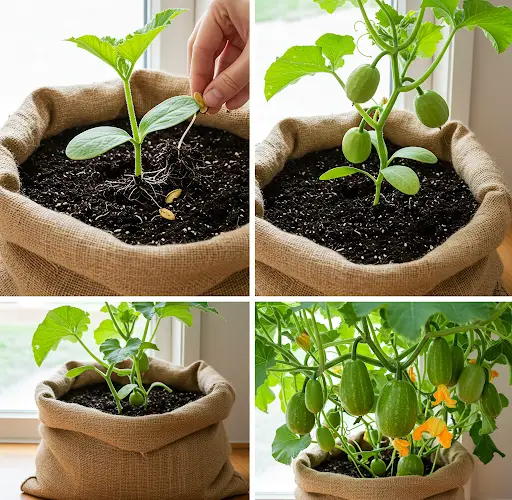
Using Sacks to Grow Squash at Home for High Yield Without a Garden
Growing squash at home is a rewarding and satisfying experience, especially if you’re looking for a way to enjoy homegrown vegetables without the need for a traditional garden. If you live in an apartment, on a balcony, or simply don’t have access to garden space, using sacks to grow squash is an innovative and space-saving solution. This method is not only easy to set up but can also result in a high yield of delicious squash throughout the growing season.
In this article, we’ll explore how you can grow squash at home using sacks, how to set up your squash-growing system, and the benefits of this approach.
Why Use Sacks for Growing Squash?
Growing squash in sacks offers a number of benefits, especially for those with limited gardening space. Here’s why using sacks is a great idea:
-
Space Efficiency: Traditional gardens require large amounts of space, but by using sacks, you can grow squash in a small area. Sacks can be placed on patios, balconies, or even inside your home if there’s enough sunlight.
-
Easy Mobility: Sacks are portable, meaning you can move them around easily to follow the sun’s path or to protect plants from adverse weather conditions. This mobility is particularly useful if you live in an area with limited sunlight or if you need to shelter your plants from rain.
-
Cost-Effective: Growing squash in sacks is an affordable gardening method. Sacks are inexpensive, and you can reuse them year after year. Additionally, you can find various types of sacks, including burlap or fabric sacks, which can be purchased or repurposed from items you already have at home.
-
Ideal for Small Spaces: If you’re living in an apartment or a house without a yard, sacks provide a perfect solution for growing squash in small spaces. By using vertical space, you can grow multiple squash plants in an area as small as a balcony or even on a small patio.
How to Grow Squash in Sacks
Growing squash in sacks is relatively simple and doesn’t require a lot of specialized gardening knowledge. Below is a step-by-step guide on how to set up your squash garden in sacks and grow your vegetables successfully:
Materials You’ll Need:
-
Large Sacks: You can use large burlap sacks, fabric grow bags, or even plastic sacks with drainage holes. Make sure the sacks are sturdy enough to hold the soil and squash plants.
-
Soil: Use a high-quality potting mix that retains moisture well, along with some compost to provide nutrients to the squash plants.
-
Squash Seeds or Seedlings: Choose squash varieties that are well-suited to container gardening. Varieties like zucchini, butternut squash, and acorn squash are good options.
-
Watering Can or Drip System: Squash plants need consistent moisture, so be sure to water them regularly to keep the soil evenly moist.
-
Fertilizer: A balanced fertilizer will help ensure that your squash plants get the nutrients they need to thrive.
Step-by-Step Guide:
-
Prepare the Sacks: Choose large sacks that can hold plenty of soil and give the squash plants room to grow. If you’re using plastic sacks, make sure to punch several holes in the bottom to allow for proper drainage. For burlap or fabric sacks, the material should allow for air circulation and prevent water from accumulating at the bottom.
-
Fill the Sacks with Soil: Fill the sacks about two-thirds full with a good-quality potting mix. Mix in some compost for added nutrients. Squash plants are heavy feeders, so providing them with nutrient-rich soil is essential for a good yield.
-
Plant the Squash: Once the sacks are filled with soil, it’s time to plant your squash seeds or seedlings. If you’re using seeds, plant them about 1–2 inches deep. If you’re using seedlings, make a hole large enough to accommodate the roots and gently plant them in the sack. Space the plants at least 18 inches apart to give them room to spread out.
-
Water the Plants: After planting, water the sacks thoroughly. Squash plants need consistent moisture to grow properly, but they don’t like to sit in waterlogged soil. Be sure to water the sacks regularly, especially during hot weather, to keep the soil moist but not soggy.
-
Support the Squash Vines: Squash plants tend to spread out, so providing some support as they grow can help keep the plants organized and encourage a larger yield. You can use stakes, trellises, or even allow the vines to trail down the sides of the sacks. If you’re growing a sprawling variety of squash, consider using a vertical growing system to help save space.
-
Fertilize as Needed: Squash plants are heavy feeders, so it’s important to fertilize them every few weeks to keep them healthy. Use a balanced fertilizer or one that’s higher in phosphorus to encourage flowering and fruiting.
-
Harvest the Squash: Squash typically takes 50 to 100 days to mature, depending on the variety. Harvest the squash when they reach full size and have developed a rich color. To avoid damaging the plant, use a sharp knife or shears to cut the squash from the vine.
Tips for Successful Squash Growing in Sacks
-
Choose the Right Variety: Some squash varieties are better suited to container gardening than others. Zucchini, for example, tends to grow well in small spaces, while larger squash varieties like pumpkins may need more room to spread out.
-
Ensure Adequate Sunlight: Squash plants need at least 6–8 hours of direct sunlight each day to thrive. Make sure your sacks are placed in a sunny spot, whether on your balcony or on a sunny patio.
-
Watch for Pests: Keep an eye on your plants for any signs of pests. Aphids, squash bugs, and vine borers are common squash pests. Use organic pest control methods if necessary, such as neem oil or insecticidal soap.
-
Mulch the Soil: Adding mulch to the top of the soil can help retain moisture and keep the roots cool, especially during hot weather. Straw, grass clippings, or even shredded leaves work well as mulch.
Conclusion
Growing squash in sacks at home is an easy and highly productive way to enjoy fresh, homegrown vegetables, even without a traditional garden. This method is perfect for those who have limited space but want to grow their own food. By following the simple steps outlined in this article and providing your squash plants with the care they need, you can enjoy a bountiful harvest of squash throughout the growing season.
Whether you’re growing squash on a balcony, a patio, or even in an indoor space with adequate sunlight, using sacks offers a convenient and efficient way to get started with home gardening. Give it a try, and you’ll be amazed at how easy and rewarding it is to grow squash at home.


