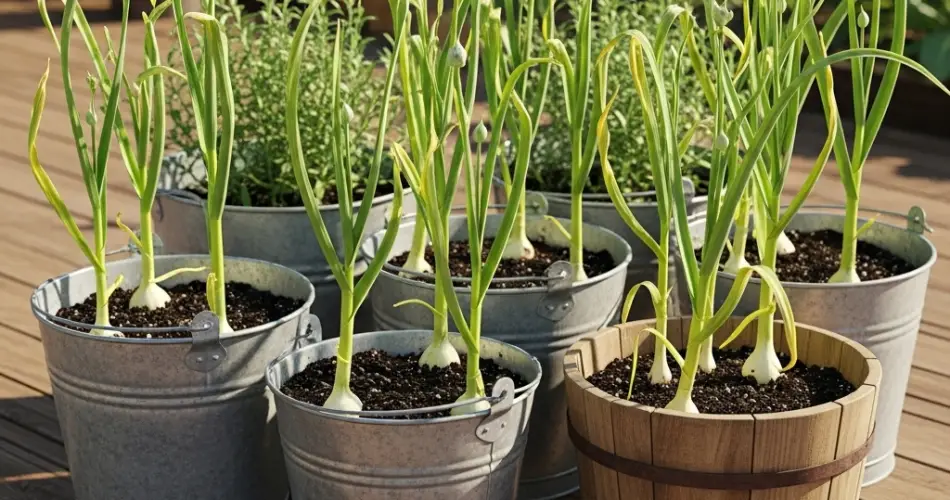
Garlic is a versatile and aromatic herb that can thrive in urban container gardens, providing a fresh supply for cooking while adding a touch of greenery to small spaces. Growing garlic in containers allows urban gardeners to manage soil quality, water, and sunlight more efficiently, making it ideal for patios, balconies, or rooftop gardens. With proper techniques, container-grown garlic can yield flavorful bulbs without the need for a traditional garden plot.
Choosing the Right Container
Selecting an appropriate container is the first step in successful urban garlic farming. Containers should be at least 8–12 inches deep to accommodate garlic’s root system. Wide containers or pots with a minimum diameter of 12 inches are preferable if planting multiple cloves together. Drainage holes are essential to prevent water accumulation, which can lead to bulb rot.
Light-colored containers are recommended for warm climates, as they reflect sunlight and help keep soil temperatures stable. Heavy pots, such as ceramic or terracotta, are ideal for retaining moisture but may require additional watering during hot weather.
Preparing the Soil
Garlic thrives in fertile, well-draining soil. A mix of high-quality potting soil with compost or well-rotted organic matter provides essential nutrients and retains adequate moisture. Incorporating perlite or coarse sand improves aeration and prevents soil compaction, supporting healthy root and bulb development.
Garlic prefers slightly acidic to neutral soil with a pH of 6.0–7.0. Fill the container up to about an inch below the rim to leave room for watering and mulching. Mulching with straw or shredded leaves helps retain moisture, moderates soil temperature, and suppresses weeds.
Selecting Garlic Varieties
There are several garlic varieties suitable for container gardening. Softneck varieties, such as ‘Silverskin’ or ‘Artichoke,’ are ideal for indoor or container growth because they are more flexible and adapt well to confined spaces. Hardneck varieties, including ‘Rocambole’ or ‘Purple Stripe,’ can also be grown but require slightly larger containers and cooler winter temperatures for optimal development.
Planting Garlic Cloves
Garlic is grown from individual cloves rather than seeds. Select healthy, firm cloves from certified garlic bulbs. Avoid using cloves from grocery store bulbs, as they may be treated to prevent sprouting. Plant each clove upright, with the pointed end facing up, about 2 inches deep and spaced 4–6 inches apart.
After planting, gently firm the soil around each clove and water lightly. Mulching helps maintain consistent soil moisture and temperature, promoting strong root growth.
Watering and Moisture Management
Consistent moisture is critical for container-grown garlic. The soil should remain evenly moist but never soggy. Garlic has shallow roots, so the container soil can dry out quickly, particularly during hot weather. Water thoroughly when the top inch of soil feels dry, ensuring excess water drains freely.
Morning watering is preferable, allowing leaves to dry during the day and reducing the risk of fungal diseases. Mulching further supports moisture retention and helps regulate soil temperature.
Sunlight Requirements
Garlic requires full sunlight to grow effectively, ideally 6–8 hours per day. Placing containers in a sunny location ensures strong foliage and promotes bulb development. In extremely hot climates, partial afternoon shade can prevent leaf scorching and stress on the plant.
Container gardening provides the flexibility to move garlic pots as needed to optimize sunlight exposure, protect from harsh weather, or adjust for seasonal changes.
Fertilization and Maintenance
Garlic benefits from regular feeding to support vigorous growth. Use a balanced, water-soluble fertilizer or incorporate compost every 2–3 weeks. Avoid excessive nitrogen, which can encourage lush foliage at the expense of bulb development.
Remove yellowing or damaged leaves to maintain plant health and improve airflow. Keeping the foliage clean and healthy reduces the risk of pests and diseases and ensures maximum bulb size and flavor.
Harvesting Garlic
Garlic is typically ready to harvest when the lower leaves begin to yellow and dry, usually around 8–10 months after planting, depending on the variety. Carefully lift bulbs from the soil using a small hand fork or trowel. Allow the bulbs to cure in a dry, airy location for several weeks before storing.
Benefits of Container Garlic Farming
Container garlic farming offers numerous advantages for urban gardeners. It provides control over soil, water, and sunlight, reduces exposure to pests and diseases, and enables gardening in small spaces. With proper care, container-grown garlic produces healthy, flavorful bulbs suitable for cooking, storage, or gifting.
By choosing the right container, preparing nutrient-rich soil, planting healthy cloves, and maintaining proper water and sunlight routines, urban gardeners can successfully grow garlic in containers. This simple method transforms small spaces into productive gardens, offering fresh, aromatic garlic year-round.


