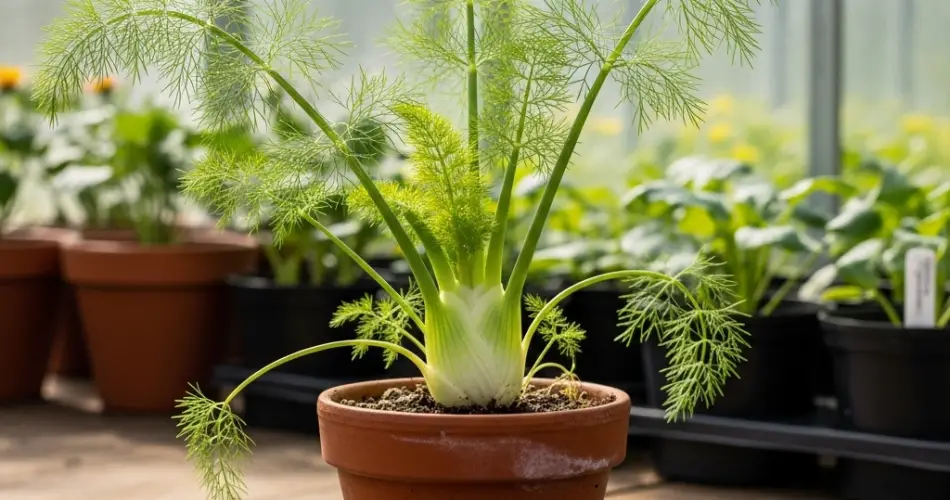
Urban living often limits the amount of space available for gardening. Yet, with a bit of creativity and the right choice of plants, even the smallest balcony or patio can become a thriving green corner. Among the many herbs and vegetables suitable for city gardening, fennel stands out as a unique option. With its feathery leaves, crisp bulbs, and aromatic seeds, fennel is both a culinary treasure and an attractive ornamental plant. Growing fennel in portable pots makes it possible for urban gardeners to enjoy this versatile plant without the need for a traditional garden bed.
Why Fennel Works Well in Pots
Fennel is naturally adaptable, but it thrives particularly well in containers for a few key reasons:
-
Space control: In garden beds, fennel can spread and sometimes inhibit the growth of nearby plants. In pots, you can isolate it, avoiding competition.
-
Mobility: Portable pots allow you to move fennel around to catch the best sunlight or protect it from harsh weather.
-
Accessibility: Having fennel close to your kitchen makes it easy to harvest fresh bulbs, fronds, or seeds whenever needed.
Urban gardeners benefit from these advantages, especially when space and resources are limited.
Choosing the Right Pot
Since fennel develops a long taproot, depth is essential. A pot that is at least 12–14 inches deep will give the roots enough room to grow. Wide containers are also beneficial, but avoid overcrowding. It’s best to grow one fennel plant per pot to ensure it develops properly.
Portable pots made of lightweight plastic or resin are ideal for city gardeners, as they are easier to move around balconies, rooftops, or patios. Always ensure pots have adequate drainage holes to prevent waterlogging, which fennel does not tolerate.
Preparing the Soil
Fennel prefers fertile, loose, and well-draining soil. A high-quality potting mix enriched with organic compost is ideal. To improve aeration, mix in a small amount of perlite or coarse sand. Fennel thrives in slightly acidic to neutral soil (pH 6.0–7.0). Preparing the soil properly at the beginning saves effort later and ensures steady growth.
Planting Fennel
There are two main ways to grow fennel in pots: from seeds or from seedlings.
-
Seeds: Direct sowing is often recommended, as fennel does not transplant well due to its taproot. Sow seeds about ¼ inch deep and thin them once seedlings reach a few inches tall, leaving the strongest plant to grow.
-
Seedlings: If using nursery seedlings, handle them carefully during transplanting. Place them at the same depth they were growing in their original container.
For urban gardening, Florence fennel is often the best choice, as it produces flavorful bulbs suitable for cooking. Herb fennel, on the other hand, provides delicate fronds and aromatic seeds.
Sunlight and Temperature Needs
Fennel loves the sun. Position your portable pots where they can receive at least 6–8 hours of direct sunlight daily. On balconies or rooftops, place pots in open, bright spots. If your space gets too hot during summer, providing light shade during the hottest part of the day can prevent plants from bolting early.
The ideal growing temperature is between 60°F and 75°F, making fennel well-suited to spring and fall in most regions.
Watering and Feeding
Container plants tend to dry out faster than those in the ground, so consistent watering is crucial. Keep the soil evenly moist but avoid overwatering, which can cause root problems. Water deeply when the top inch of soil feels dry.
Fennel is a relatively heavy feeder. Apply a balanced liquid fertilizer every 3–4 weeks or use organic options such as compost tea. Regular feeding supports both foliage growth and bulb development.
Harvesting Your Urban Fennel
Harvesting depends on the variety you’ve chosen:
-
Bulbs (Florence fennel): Pick when the bulbs reach the size of a tennis ball, usually around 70–100 days after sowing. Cut at the base just above the soil line.
-
Fronds: Snip young fronds as needed for garnishes and salads, but avoid removing too much at once.
-
Seeds: Allow flower heads to dry on the plant before collecting seeds for seasoning or replanting.
The beauty of container-grown fennel is that you can harvest gradually, taking only what you need while leaving the rest to continue growing.
Companion Planting and Urban Considerations
One advantage of growing fennel in pots is that it doesn’t have to share soil with other herbs or vegetables. In garden beds, fennel can inhibit the growth of nearby plants, but in containers, it grows independently without affecting its neighbors. Still, fennel attracts pollinators and beneficial insects, making it a useful plant to keep on balconies or patios where other crops might benefit indirectly.
Final Thoughts
Urban gardening may have its challenges, but it also opens doors to creative solutions. Fennel in portable pots is an excellent choice for city dwellers who want fresh, flavorful, and aromatic herbs and vegetables without needing a large garden. With the right container, good soil, and consistent care, your pots of fennel will reward you with crunchy bulbs, feathery fronds, and aromatic seeds throughout the season. More than just a culinary addition, fennel adds beauty and fragrance to your urban space, proving that even in the city, gardening can thrive.


