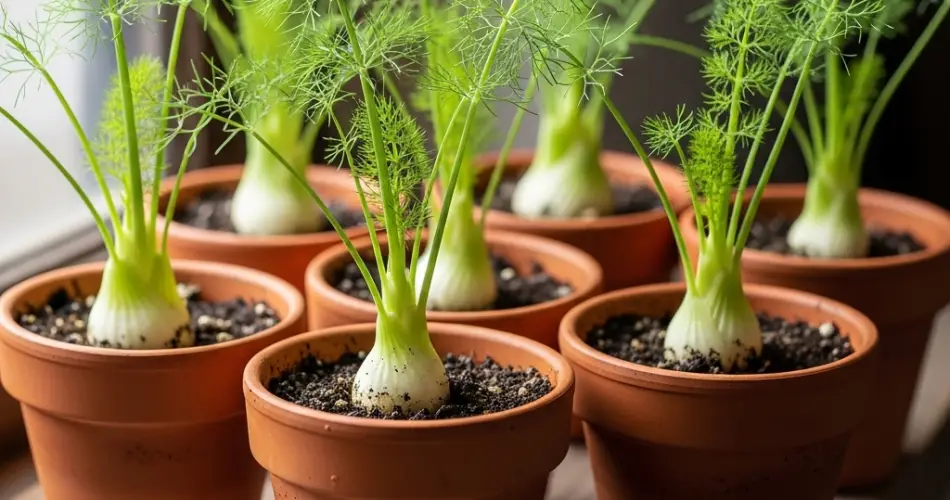
Fennel is a fragrant and versatile plant cherished for its crunchy bulbs, feathery leaves, and aromatic seeds. It brings both flavor to the kitchen and beauty to the garden, with its delicate green foliage that resembles dill. While fennel is often grown in garden beds, it adapts very well to containers, making it possible for anyone with a balcony, patio, or small backyard to enjoy fresh fennel at home. Success in growing fennel in pots comes down to three essential factors: soil, watering, and light. With the right balance, you can raise healthy plants that provide a generous harvest.
Choosing the Right Pot for Fennel
Before focusing on soil and care, start with an appropriate container. Fennel develops a long taproot and, in the case of Florence fennel, a swollen bulb at the base. This means it needs both depth and width. A pot that is at least 12–14 inches deep and 12 inches wide provides enough room for a single plant to grow comfortably. Larger planters or containers allow you to space multiple plants about 10 inches apart. Drainage holes are essential to prevent standing water, which can quickly lead to rot in container-grown fennel.
Best Soil Mix for Fennel in Pots
Soil quality is perhaps the most important factor for fennel. The plant thrives in loose, nutrient-rich, and well-draining soil. Heavy or compacted soil prevents the roots from developing properly and can cause waterlogging. An ideal potting mix for fennel should:
-
Retain enough moisture to keep the plant hydrated.
-
Allow excess water to drain easily.
-
Provide steady nutrition to support foliage and bulb growth.
A recommended mix includes:
-
2 parts high-quality potting soil
-
1 part compost or well-rotted manure
-
1 part perlite or coarse sand
The compost enriches the soil with nutrients, while sand or perlite ensures aeration and drainage. Aim for a soil pH between 6.0 and 7.0, as fennel grows best in slightly acidic to neutral conditions. Refresh the soil each season by adding compost to maintain fertility.
Watering Tips for Healthy Growth
Water management is crucial in container gardening, and fennel is no exception. Because pots dry out more quickly than garden beds, you’ll need to monitor soil moisture closely. Fennel prefers consistently moist soil, especially during its active growth and bulb formation stages. Here are key watering tips:
-
Check soil moisture regularly: Insert your finger about an inch deep into the soil. If it feels dry, it’s time to water.
-
Water deeply: Ensure that water reaches the root zone, not just the surface. A thorough soak encourages strong root development.
-
Avoid overwatering: While fennel likes moisture, soggy soil can cause root rot. Good drainage and a careful watering schedule prevent this.
-
Adjust seasonally: In summer, pots may require daily watering, while in cooler months, watering can be reduced.
Mulching the surface of the pot with straw or dried leaves helps retain moisture and regulate soil temperature, reducing the need for frequent watering.
Light Requirements for Fennel in Containers
Fennel is a sun-loving plant and grows best with at least 6 hours of direct sunlight daily. The more light it receives, the stronger and healthier it will be. Place your container in the sunniest spot available—whether that’s a balcony, patio, or a south-facing section of your backyard.
For indoor growing, position the pot near a south- or west-facing window. If natural light is limited, especially during winter, consider using a grow light. Set it to provide 12–14 hours of light per day to mimic natural conditions. Without adequate light, fennel may grow weak, spindly, and more prone to bolting before the bulbs mature.
Fertilizing for Extra Support
In addition to soil, water, and light, fennel benefits from supplemental feeding. Container soil loses nutrients faster than garden beds, so replenishing them is important. A balanced, water-soluble fertilizer applied every 3–4 weeks helps maintain strong growth. Avoid fertilizers high in nitrogen alone, as this encourages leafy growth at the expense of bulb development. Compost tea or organic liquid feeds are excellent options for a steady nutrient supply.
Harvesting Container-Grown Fennel
When grown in the right soil and under proper light and water conditions, Florence fennel bulbs are usually ready to harvest in about 80–100 days after sowing. Cut the bulb at the base when it reaches the size of a tennis ball. Leaves can be snipped as needed for garnishes and cooking, and seed heads can be collected once they mature and dry on the plant.
Troubleshooting Common Issues
-
Bolting: Caused by heat or stress. Keep soil consistently moist and provide afternoon shade in hot climates.
-
Yellowing leaves: Often linked to nutrient deficiencies or water imbalance. Check your fertilizing routine and adjust watering.
-
Pests such as aphids or caterpillars: Treat with neem oil or insecticidal soap if infestations occur.
Final Thoughts
Growing fennel in pots is both practical and rewarding, especially when space is limited. By focusing on the three essentials—rich, well-draining soil, consistent but careful watering, and plenty of sunlight—you create the perfect environment for fennel to flourish. Whether you’re after its crisp bulbs, delicate fronds, or aromatic seeds, container-grown fennel can supply your kitchen with fresh flavors while adding a touch of greenery to your living space. With the right setup and attention to these care tips, even a small balcony can become a productive garden for this aromatic herb.


