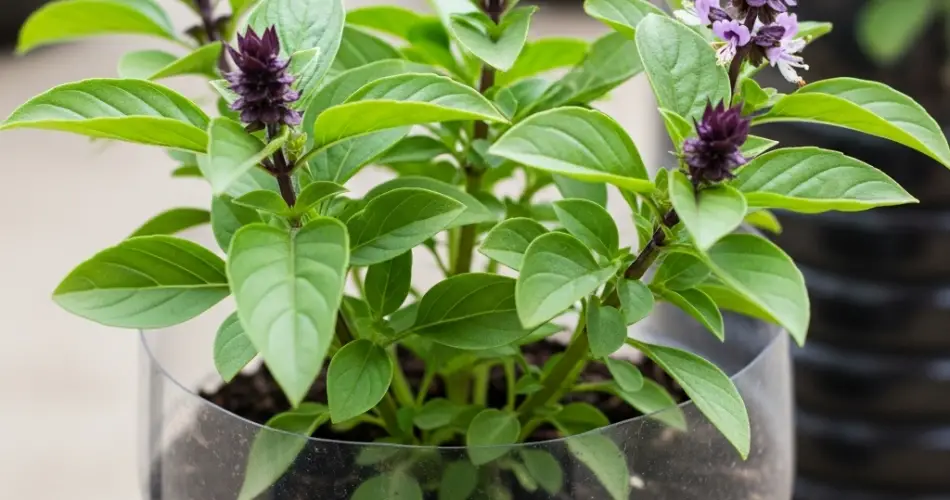
Basil (Ocimum basilicum) is one of the most beloved culinary herbs in the world, prized for its sweet aroma and bold flavor. It’s a staple in Mediterranean and Asian cooking, perfect for everything from pesto to pasta to refreshing herbal teas. Fortunately, basil is also one of the easiest herbs to grow at home—even in tight urban spaces.
By reusing plastic bottles as planters, urban gardeners can grow lush, flavorful basil in an eco-friendly, budget-conscious way. Whether on a sunny windowsill, balcony, or rooftop, bottle gardening transforms limited space into a fresh herb oasis while reducing plastic waste.
Why Grow Basil in Plastic Bottles?
Plastic bottle gardening is an ideal method for urban environments. With millions of bottles discarded every day, repurposing them for growing herbs like basil is a small but impactful step toward sustainability.
Benefits include:
-
Recycling at its best: Reduces household waste and gives plastic a second life.
-
Space efficiency: Perfect for tight areas like apartment windows, balconies, or small patios.
-
Cost savings: No need for fancy pots—just use what you already have.
-
Mobility: Lightweight containers make it easy to adjust placement for sunlight or weather.
-
Perfect for basil: Basil thrives in well-draining containers with full sun—exactly what a modified bottle can provide.
Materials You’ll Need
Start your urban basil farm with these simple supplies:
-
1 clean plastic bottle (1.5 to 2 liters in size)
-
Basil seeds or cuttings
-
Potting soil (light and well-draining)
-
Perlite or coarse sand (optional, for drainage)
-
Scissors or craft knife
-
Marker (for cutting guides)
-
Nail or skewer (for making drainage holes)
-
Coffee filter, mesh, or cloth scrap (to line the base)
-
Spray bottle or watering can
Step-by-Step Guide
Step 1: Prepare the Bottle
Rinse your plastic bottle thoroughly and let it dry. Remove the label.
Using a marker, draw a cutting line about one-third from the bottom of the bottle and cut carefully along it. This bottom part will serve as your basil planter.
Alternatively, cut a rectangular window on the side for a horizontal setup, especially if you’re planting multiple seeds or cuttings.
Step 2: Make Drainage Holes
Using a hot nail, skewer, or drill, make several small holes in the bottom of the bottle. This allows excess water to escape, preventing soggy soil and root rot.
Line the bottom with a coffee filter, mesh, or scrap fabric to keep soil from washing out through the holes.
Step 3: Prepare the Soil
Basil grows best in fertile, well-draining soil. A simple soil mix might include:
-
2 parts potting soil
-
1 part perlite or coarse sand
-
Optional: 1 part compost or worm castings
Fill the bottle planter with the mix, leaving about an inch of space at the top.
Step 4: Planting the Basil
You can grow basil from seeds or cuttings.
From seeds:
-
Sprinkle 4–6 seeds evenly on the soil surface.
-
Cover with a thin layer of soil (about 1/4 inch).
-
Mist lightly with water.
From cuttings:
-
Place basil cuttings in water until roots form (7–10 days).
-
Transplant rooted cuttings into the soil, burying the roots and base of the stem.
Place your planter in a warm, sunny location right after planting.
Growing Conditions for Success
Light: Basil needs at least 6–8 hours of direct sunlight daily. A sunny windowsill or balcony is ideal.
Water: Keep the soil consistently moist but not soggy. Water when the top inch of soil feels dry.
Temperature: Basil loves warmth and dislikes cold. Ideal growing temperatures are between 20°C to 30°C (68°F to 86°F). Bring plants indoors if temperatures drop.
Care and Maintenance
-
Thinning: If multiple seeds germinate, thin them out when seedlings reach 2–3 inches tall, keeping the strongest ones.
-
Feeding: Use a diluted liquid fertilizer every 3–4 weeks to encourage lush growth.
-
Pruning: Pinch off the top sets of leaves once the plant is 6–8 inches tall. This encourages branching and prevents early flowering.
-
Pest management: Keep an eye out for aphids or whiteflies. Spray affected leaves with a mild soap solution if needed.
Harvesting Basil
Once your basil plant is well established, you can start harvesting regularly. Always harvest from the top by pinching just above a pair of leaves. This promotes bushier growth and a longer harvest season.
Avoid letting basil flower if you want to continue harvesting the leaves. If flower buds appear, pinch them off to extend the life of the plant.
Decorating and Display Ideas
Turn your plastic bottle planter into an eye-catching part of your kitchen or balcony garden:
-
Paint it with non-toxic paints in earthy tones or fun colors.
-
Wrap it in burlap or twine for a rustic, farmhouse feel.
-
Add plant labels or tags for easy identification.
-
Use string or hooks to hang multiple bottles vertically.
Final Thoughts
Growing basil in reused plastic bottles is a fantastic way to enjoy fresh herbs at home while practicing sustainable living. This method is perfect for city dwellers who want to connect with nature and reduce waste, all from a sunny corner of their kitchen or balcony.
With just a bottle, some soil, and a few seeds, you can create a mini basil farm that provides fresh flavor and greenery all year round. Whether you’re a beginner or an experienced gardener, urban basil farming offers a flavorful, low-cost way to go green—literally and environmentally.


