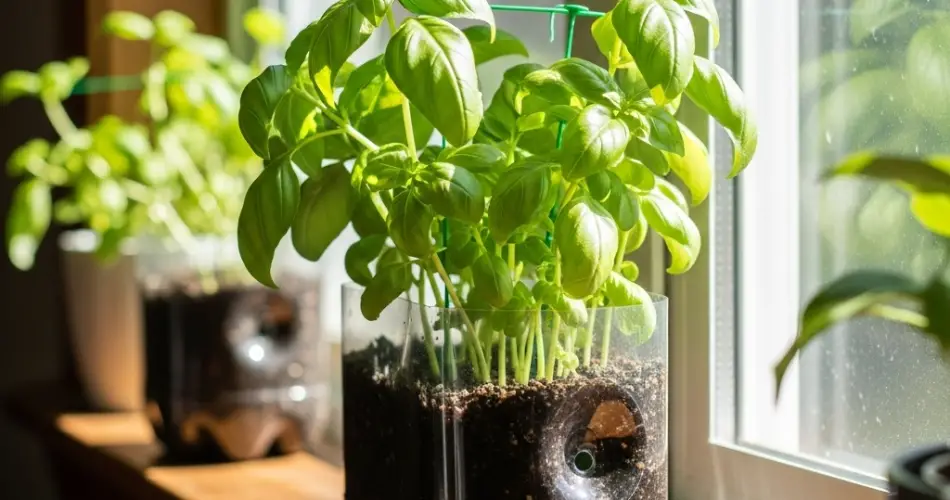
Basil is one of the most beloved herbs in home kitchens. With its vibrant green leaves and sweet, peppery aroma, basil enhances everything from pasta sauces and pesto to salads and sandwiches. Fortunately, growing your own fresh basil is easy—even if you don’t have a garden. With a sunny windowsill and a recycled plastic bottle, you can create a thriving basil plant that’s just a snip away from your cooking pot.
Using plastic bottles as planters offers a sustainable and space-saving way to grow herbs indoors. With the right care, basil will flourish in these compact containers, giving you a fresh supply all year round.
Why Grow Basil in Plastic Bottles?
Plastic bottles are often discarded as waste, but they make excellent planters—especially for small herbs like basil. Their vertical shape is ideal for root development, and they’re easy to modify for drainage and soil aeration.
Benefits of using plastic bottles for basil:
-
Recycles plastic, reducing environmental waste
-
Saves money on pots and containers
-
Fits easily on windowsills or kitchen counters
-
Provides fresh herbs within arm’s reach
-
Makes gardening possible in tight urban spaces
Whether you’re an experienced gardener or a complete beginner, growing basil in a plastic bottle is a simple and rewarding project.
Materials You’ll Need
To get started, gather these basic supplies:
-
1 clean plastic bottle (1.5 or 2 liters works well)
-
Sharp scissors or utility knife
-
Potting soil (light and well-draining)
-
Basil seeds or seedlings
-
Small stones or mesh (optional, for drainage)
-
Watering can or spray bottle
-
A tray or shallow dish to catch water
Step 1: Prepare the Plastic Bottle Planter
-
Clean the bottle thoroughly to remove any residue or labels.
-
Cut off the top third of the bottle using scissors or a craft knife. You’ll use the bottom part as your planter.
-
Poke several small drainage holes in the bottom to prevent water buildup.
-
Add a thin layer of pebbles or mesh at the bottom if you want to improve drainage.
-
Fill the bottle with potting mix, leaving about an inch from the top.
A potting mix designed for herbs or vegetables will work best. Avoid dense or clay-heavy soils.
Step 2: Planting Basil
You can start basil either from seed or by transplanting a young seedling.
If starting from seed:
-
Moisten the soil before sowing.
-
Sprinkle 4–6 basil seeds evenly on the surface.
-
Cover lightly with a thin layer of soil (about ¼ inch).
-
Mist gently with water to moisten.
-
Place the bottle in a sunny location for germination (5–10 days).
If using seedlings:
-
Make a small hole in the soil deep enough for the root ball.
-
Gently place the seedling in and firm the soil around it.
-
Water lightly to settle the plant.
Step 3: Light and Placement
Basil loves sunlight. It needs at least 6 hours of direct sunlight daily to grow lush and flavorful.
Best locations include:
-
A south- or west-facing windowsill
-
A sunlit kitchen counter
-
Near a window with good airflow
If natural light is limited, consider using a grow light to supplement. Rotate the bottle every few days so the plant grows evenly.
Step 4: Watering and Feeding
Basil prefers moist—but not soggy—soil.
Watering tips:
-
Water when the top inch of soil feels dry.
-
Avoid overwatering, as it can lead to root rot.
-
Use a saucer under the bottle to catch excess water.
Feeding:
-
Use a diluted liquid fertilizer every 3–4 weeks.
-
Organic compost or fish emulsion can also be used for healthy leaf growth.
-
Do not over-fertilize, or the flavor may become less intense.
Step 5: Pruning and Harvesting
Pruning helps your basil grow bushier and delays flowering, which can affect flavor.
How to prune:
-
Wait until the plant has at least 4–6 sets of leaves.
-
Pinch off the top two sets of leaves above a node (where leaves emerge).
-
Avoid cutting the large bottom leaves, as they provide energy for the plant.
Harvesting tips:
-
Harvest in the morning when flavor and oils are strongest.
-
Regular harvesting encourages more leaf production.
-
If flowers appear, pinch them off to keep the leaves tender and flavorful.
Common Issues and Solutions
-
Yellowing leaves: May indicate overwatering or poor drainage. Check soil and water less frequently.
-
Leggy stems: Not enough light. Move the plant to a sunnier spot.
-
Flowering too soon: Prune regularly to encourage leaf growth over seed production.
Conclusion
Growing basil in a plastic bottle on your windowsill is an easy and sustainable way to enjoy this aromatic herb year-round. With minimal supplies and a little attention, you can create a thriving indoor basil plant that brings both flavor and greenery into your home. Whether you use it for cooking, tea, or simply as a fragrant houseplant, basil is a perfect herb to start your plastic bottle garden.


