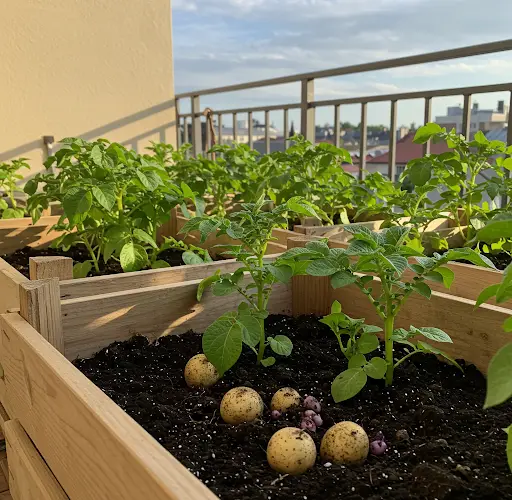
Growing potatoes at home is one of the most satisfying gardening experiences, especially when you realize just how much you can harvest from a small space. Using a simple yet highly productive technique, it’s possible to grow up to 100 potatoes from a single bag of soil. This method doesn’t require a garden plot—just a grow bag or sack, good soil, and a few potato tubers.
Whether you’re a beginner or an experienced gardener, this guide walks you through a surprisingly effective way to grow a massive potato harvest at home.
Why Use a Bag to Grow Potatoes?
Growing potatoes in bags is a method that combines convenience, efficiency, and yield. Here’s why it works so well:
-
Space-saving: Perfect for balconies, patios, or rooftops.
-
Improved drainage: Reduces risk of rot and waterlogging.
-
Easy to manage: You can control pests, soil quality, and watering easily.
-
Cleaner harvest: No digging in hard ground—just empty the bag.
-
Scalable: Use multiple bags for more harvest in a small area.
Materials You’ll Need
-
1 large grow bag, rice sack, or plastic soil bag (minimum 40–50 liters)
-
3–5 seed potatoes (sprouted tubers or certified seed potatoes)
-
High-quality soil mix
-
Well-rotted compost or organic manure
-
Straw, leaves, or mulch (optional)
-
Watering can or hose
Step-by-Step Method to Grow Potatoes in a Bag
1. Prepare Your Grow Bag
Choose a breathable fabric bag or thick plastic sack with good drainage. If using a plastic bag, poke holes at the bottom to allow excess water to drain.
Fold down the sides of the bag to about one-third of its height. This will allow you to add soil as the plants grow upward.
2. Mix the Perfect Soil
Potatoes thrive in light, loose, well-draining soil. The ideal mix is:
-
50% quality potting soil
-
30% compost or aged manure
-
20% sand or cocopeat
Avoid clay-heavy or compacted soils. Mix thoroughly, then fill the bottom 6–8 inches of the bag with this mixture.
3. Plant the Seed Potatoes
Place 3 to 5 sprouted seed potatoes on the soil surface, evenly spaced with the eyes (sprouts) facing upward.
Cover them with 3–4 inches of soil mix. Water gently but thoroughly.
4. Encourage Strong Growth
Place the bag in a location that receives 6–8 hours of sunlight daily. Keep the soil moist but not soaked.
In 7–10 days, green shoots will appear. Once the plants grow 6–8 inches tall, cover the bottom half of the stems with more soil—this is known as “hilling.” Hilling encourages the plant to grow more tubers along the buried stem.
Repeat the hilling process every 1–2 weeks by unfolding the bag a little and adding more soil until the bag is full.
5. Maintain and Feed
Water consistently, especially during hot or dry periods. Do not let the soil dry out completely.
Feed the plants every two weeks with compost tea, banana peel fertilizer (high in potassium), or diluted fish emulsion to promote healthy root and tuber growth.
To control pests like aphids or beetles, spray with a neem oil solution or inspect plants regularly for signs of damage.
6. Flowering and Maturity
Potato plants will produce small flowers when they start forming tubers. This is a good sign that your potatoes are developing underground.
Once the leaves begin to yellow and die back—usually after 10–12 weeks—your crop is ready to harvest.
Harvest Time: The Big Reveal
Stop watering for about a week before harvesting to firm up the potato skins.
To harvest:
-
Tip the bag onto a tarp or empty it into a large container.
-
Gently sift through the soil to collect your potatoes.
-
You’ll be amazed—one bag can yield up to 100 small to medium-sized potatoes if conditions were ideal.
Separate the large potatoes for immediate use and allow them to cure (dry) in a cool, shaded place for a few days before storing.
Tips for Bigger Harvests
-
Use early or mid-season potato varieties for faster results.
-
Plant in spring after the last frost or in the cooler months in tropical regions.
-
Don’t overcrowd the bag with too many tubers.
-
Keep hilling: The more stem you bury, the more tubers you’ll get.
Conclusion
The secret to growing a bag full of potatoes lies in simple care, consistent hilling, and good-quality soil. This method is perfect for urban gardeners, beginners, or anyone wanting to grow food in a limited space.
With one bag and a few seed potatoes, you can enjoy a rewarding harvest of fresh, homegrown potatoes—delicious, organic, and straight from your doorstep.


