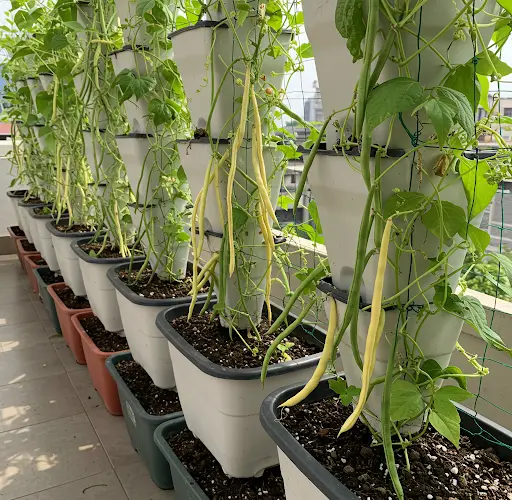
Long beans, also known as yardlong beans or Chinese long beans, are a delicious and highly productive crop that can be grown even without a traditional garden. With their climbing vines, they adapt well to small spaces, making them perfect for balconies, terraces, or patios. With the right setup, you can harvest a full basket of long beans right from your home—no backyard needed.
Whether you’re a beginner or an urban gardener looking for space-saving solutions, this guide will show you how to grow long beans easily in containers and get excellent results.
Why Grow Long Beans at Home?
Long beans are incredibly rewarding to grow. Here’s why they’re perfect for home gardening:
-
High yield in small spaces: Just a few plants can produce a large number of beans.
-
Fast growth: They germinate and grow quickly in warm climates.
-
Nutrient-rich: Long beans are packed with fiber, vitamins A and C, and protein.
-
Beautiful climbing vines: They add greenery to any urban setting.
What You’ll Need
To grow long beans at home, you don’t need a garden—just a few basic materials:
-
Long bean seeds (choose a high-yielding variety)
-
Containers, buckets, or recycled plastic barrels (at least 12–18 inches deep)
-
Trellis or vertical support (stakes, poles, netting, or wires)
-
Rich, well-draining potting mix or compost-amended soil
-
Sunny space (balcony, terrace, window ledge with 6–8 hours of sun)
-
Watering can or hose with a gentle spray
-
Organic fertilizer or compost (optional for boosting growth)
Step-by-Step Guide
1. Choose and Prepare Containers
Select containers with good drainage. Buckets, grow bags, or large pots will work well. Drill holes in the bottom if needed to prevent waterlogging. Fill the container with a well-draining mix of soil and compost.
For best results, use a loose, fertile soil rich in organic matter. Long beans prefer slightly acidic to neutral soil (pH 6.0–7.0).
2. Sow the Seeds
Soak long bean seeds in water for 6–8 hours before planting to speed up germination. Plant seeds about 1 inch deep and 4–6 inches apart. You can place 2–3 seeds per pot depending on its size.
Keep the soil moist until seedlings appear, usually within 5–7 days. Thin out weaker seedlings to allow strong ones to grow.
3. Provide Vertical Support
Long beans grow best when allowed to climb. Set up a trellis, bamboo poles, or even a string system attached to a wall or railing. Guide the vines as they grow so they latch on and climb vertically.
Vertical growing not only saves space but also encourages better air circulation and easier harvesting.
4. Sunlight and Watering Needs
Long beans need at least 6–8 hours of sunlight daily. Place containers where they’ll receive the most sun—rooftops, balconies, or sunny corners of your home are ideal.
Water regularly, keeping the soil consistently moist but not waterlogged. In hot weather, daily watering may be necessary, especially for containers.
5. Fertilizing and Maintenance
Feed plants every 2–3 weeks with an organic liquid fertilizer or compost tea. Beans are light feeders, but an occasional boost helps them grow faster and produce more pods.
As the vines grow, continue training them on the trellis. Remove yellowing leaves or any diseased parts to keep the plant healthy.
6. Flowering and Pollination
Long beans begin flowering in about 40–50 days. The flowers are usually self-pollinating, but bees and other pollinators can help. To encourage flowering, reduce nitrogen-rich fertilizers and increase phosphorus.
Once flowers appear, pods start developing quickly. Support the weight of the pods on the trellis as needed to prevent breakage.
Harvesting Tips
Long beans grow rapidly once they start producing. Here’s how to harvest for the best yield:
-
Harvest often: Pick beans when they’re 12–18 inches long and before they get tough or woody.
-
Use scissors or pruning shears: This prevents damage to the vines.
-
Check daily: In warm weather, pods mature fast—daily harvests may be needed.
Frequent picking encourages the plant to continue producing more pods.
Common Problems and How to Fix Them
-
Yellowing leaves: May indicate overwatering or nutrient imbalance. Let soil dry slightly between waterings.
-
No flowers or pods: Reduce nitrogen fertilizers and increase sunlight exposure.
-
Aphids or pests: Spray with neem oil or soapy water as a natural solution.
-
Wilting vines: Ensure proper drainage and check for root rot.
Final Thoughts
You don’t need a garden to enjoy a basketful of homegrown long beans. With some containers, a little care, and a vertical growing setup, anyone can grow long beans on a balcony, rooftop, or even by a sunny window. They are perfect for urban gardeners looking for a productive and low-maintenance crop.
Grow your own long beans at home using this method and enjoy fresh, tender pods straight from your plant to your plate. It’s a simple, sustainable, and satisfying way to garden in any space.


