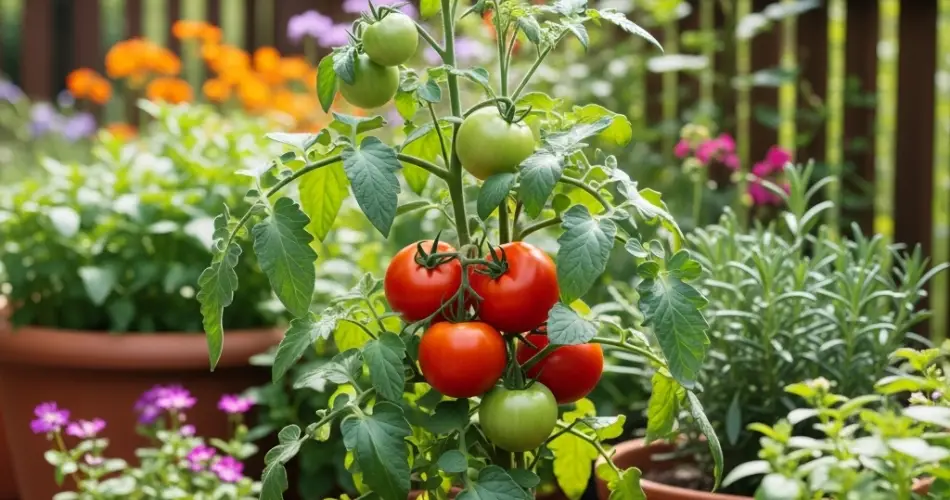
Tomatoes are a beloved staple of home gardening, but growing them in a limited space can be a challenge—especially for those living in apartments or homes with only a balcony or small patio. Fortunately, tomato towers grown in pots provide a perfect solution for urban gardeners looking to enjoy a fresh, homegrown tomato harvest without needing a traditional garden bed.
This method supports vertical growth, keeps the plants well-structured, and improves airflow and sunlight exposure. Best of all, it allows gardeners to maximize limited space while still producing flavorful, juicy tomatoes all season long.
Why Use Tomato Towers in Pots?
Tomato towers, also known as tomato cages or vertical trellises, offer several benefits:
-
Space-efficient: Perfect for small balconies, patios, and rooftops.
-
Supports healthy growth: Prevents sprawling and keeps plants upright.
-
Better air circulation: Reduces the risk of fungal diseases and pests.
-
Easier harvesting: Keeps fruit off the ground and within reach.
-
Cleaner fruit: No contact with soil, reducing rot and blemishes.
When combined with containers, this system turns vertical gardening into a practical and productive setup for urban environments.
Choosing the Right Tomato Variety
Not all tomato plants grow the same way. For tower-based pot gardening, indeterminate (vining) varieties are the best choice since they grow upward and produce fruit throughout the season. Good options include:
-
Roma: A paste-type tomato ideal for sauces and canning.
-
Better Boy: Large, juicy tomatoes with a high yield.
-
Cherry and Grape Tomatoes: Small, prolific fruit perfect for snacking and salads.
-
Sun Gold: Sweet, golden-orange cherry tomatoes loved by many home gardeners.
Avoid compact determinate varieties for tower systems, as they are bushy and don’t benefit much from vertical support.
Selecting the Pot and Tower
-
Container Size: Choose a pot that is at least 40–50 cm deep and wide (16–20 inches). Tomatoes have deep roots and need room to grow.
-
Drainage: Ensure the container has multiple drainage holes to prevent water buildup, which can lead to root rot.
-
Tower or Cage: Install a tomato cage, spiral stake, or DIY trellis early—before the plant grows too large. Metal or heavy-duty plastic towers work well for larger varieties, while bamboo or wooden frames are good for lighter types.
Preparing the Potting Mix
Tomatoes thrive in nutrient-rich, well-draining soil. For the best results, use:
-
2 parts high-quality potting mix
-
1 part compost or aged manure
-
Optional: A handful of perlite or sand to improve drainage
-
Optional: A slow-release organic fertilizer to support early growth
Avoid using garden soil in containers, as it can be too dense and may harbor pests or diseases.
Planting Your Tomato Seedlings
-
Deep Planting: Tomato seedlings should be planted deeply, burying two-thirds of the stem. This encourages more root development and a sturdier plant.
-
Water After Planting: Give the soil a good soak after planting to help the roots settle.
-
Positioning: Place the pot in a sunny location where the plant will receive at least 6–8 hours of direct sunlight per day. Tomatoes need lots of light for healthy growth and fruiting.
Care and Maintenance
-
Watering: Tomatoes in pots require consistent watering. Check daily—especially in warm weather. Water when the top 2–3 cm of soil feels dry. Deep, infrequent watering is better than frequent shallow watering.
-
Feeding: Apply a balanced liquid fertilizer every 2–3 weeks or switch to a tomato-specific fertilizer high in phosphorus and potassium once flowering begins.
-
Pruning: For indeterminate types, remove the small “suckers” that grow in the joint between the main stem and branches. This directs energy to fruit production.
-
Tying the Plant: As the plant grows, use garden ties or soft string to secure the stem to the tower. Support heavy fruiting branches to prevent breakage.
Pollination and Fruit Development
Tomatoes are self-pollinating, but a little help can increase yields. On balconies or indoors where wind and pollinators are limited, gently shake the plant or tap the flowers to distribute pollen.
Once pollinated, you’ll notice small green tomatoes forming. Continue watering regularly and ensure the plant is supported as it grows heavier with fruit.
Common Issues
-
Blossom End Rot: Usually caused by inconsistent watering or calcium deficiency. Keep soil moisture even and use balanced fertilizer.
-
Leaf Curl: Can result from too much heat, stress, or overwatering. Provide shade during extreme heat and ensure the pot drains well.
-
Pests: Watch for aphids, whiteflies, or spider mites. Treat with insecticidal soap or neem oil if needed.
Harvesting Your Tomatoes
Tomatoes are ready to pick when they reach their full color—red, orange, yellow, or even purple depending on the variety—and feel slightly soft to the touch.
Harvest by gently twisting the fruit off the vine or using garden scissors. Regular harvesting encourages more production.
Final Thoughts
Tomato towers in pots offer urban gardeners a clever way to enjoy a high-yielding, space-saving garden crop. With the right container, support system, and care, even the smallest outdoor area can produce baskets of fresh, homegrown tomatoes. Whether you’re growing cherry tomatoes for snacking or Roma tomatoes for sauces, this vertical method brings beauty, productivity, and flavor to your city space.


