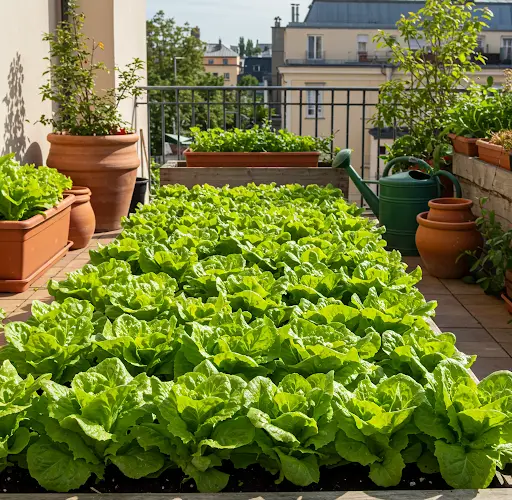
The Fastest and Easiest Way to Grow Lettuce at Home
If you love fresh, crisp lettuce, why not grow it at home? Lettuce is one of the fastest-growing and easiest vegetables to cultivate, making it perfect for beginners and seasoned gardeners alike. Whether you have a backyard garden, a balcony, or even just a small indoor space, this method will help you grow delicious, organic lettuce in no time. In this guide, we’ll walk you through the simplest and most effective way to cultivate lettuce for continuous harvests.
1. Why Grow Lettuce at Home?
Lettuce is not only a versatile and refreshing green but also packed with vitamins A, C, and K, fiber, and antioxidants. Growing it at home ensures you get the freshest, pesticide-free leaves while saving money. Here are a few reasons why lettuce is perfect for home gardening:
✅ Grows Quickly – Most varieties mature in 30–45 days, with baby leaves ready in just 2–3 weeks. ✅ Minimal Space Required – Can be grown in pots, containers, hydroponic systems, or garden beds. ✅ Harvests Over Time – With the “cut-and-come-again” method, you can harvest multiple times from one planting. ✅ Thrives in Cool Weather – Ideal for spring and fall gardening, but can be grown year-round indoors. ✅ Low Maintenance – Requires little care, making it perfect for beginners.
2. Choosing the Right Lettuce Variety
There are different types of lettuce, and choosing the right variety depends on your preference and growing conditions. Here are some popular choices:
🥬 Leaf Lettuce (Looseleaf) – The fastest-growing variety, perfect for the “cut-and-come-again” harvest method. 🥬 Romaine Lettuce – Crispy and flavorful, takes slightly longer to mature but worth the wait. 🥬 Butterhead Lettuce (Bibb, Boston) – Tender and slightly sweet leaves, great for salads. 🥬 Iceberg Lettuce – Classic crisp texture but takes longer to grow. 🥬 Oakleaf Lettuce – A heat-resistant variety with unique leaf shapes.
For a continuous harvest, plant a mix of fast-growing loose-leaf varieties alongside romaine or butterhead types.
3. The Fastest and Easiest Way to Grow Lettuce
Step 1: Choosing the Right Growing Method
Lettuce can be grown in various ways, depending on your space and resources:
- 🌱 Soil-Based Growing – Traditional method using pots, raised beds, or garden plots.
- 💦 Hydroponics – Growing in water without soil, perfect for indoor cultivation.
- 🌿 Container Gardening – Ideal for balconies, patios, or windowsills.
- 🔄 Regrowing from Scraps – A fun way to grow lettuce using kitchen leftovers.
Step 2: Preparing the Soil
- Lettuce thrives in loose, well-draining, nutrient-rich soil.
- Ideal pH: 6.0–7.0 (slightly acidic to neutral).
- Mix compost or organic matter to improve soil structure.
- Avoid heavy clay soil, as it can restrict root growth.
Step 3: Planting Lettuce Seeds or Seedlings
Lettuce seeds are small and easy to plant. Follow these simple steps:
1️⃣ Sprinkle seeds ¼ inch deep into the soil. 2️⃣ Space them 6–12 inches apart, depending on variety. 3️⃣ Water lightly to keep the soil moist but not soggy. 4️⃣ If using seedlings, plant them at the same depth as in their nursery pots.
For continuous harvests, succession plant new seeds every 1–2 weeks.
4. Caring for Your Lettuce Plants
Watering
💧 Lettuce has shallow roots, so it needs frequent but light watering. 💧 Keep the soil evenly moist, but avoid overwatering to prevent rot. 💧 Best time to water: Early morning or late afternoon.
Sunlight Requirements
☀️ Lettuce prefers cool temperatures and grows best in 4–6 hours of sunlight per day. ☀️ In hot climates, provide partial shade to prevent bolting (flowering too soon).
Fertilizing
🌿 Lettuce doesn’t need heavy feeding, but occasional fertilization helps. 🌿 Use a balanced organic fertilizer (5-5-5 or compost tea) every 2–3 weeks. 🌿 Avoid too much nitrogen, as it promotes excess leafy growth but reduces flavor.
5. Common Lettuce Growing Problems and Solutions
🚨 Bitter-Tasting Leaves? – Caused by heat stress or lack of water. Grow in cool conditions and keep soil moist. 🚨 Bolting (Flowering Too Soon)? – Happens in hot weather. Provide shade and plant heat-resistant varieties. 🚨 Pest Issues? – Aphids, slugs, and caterpillars are common threats. Use neem oil or handpick pests. 🚨 Yellowing Leaves? – Often a sign of nutrient deficiency. Add compost or mild fertilizer.
6. Harvesting Lettuce for Maximum Yield
Lettuce can be harvested in different ways depending on how you plan to use it.
🔪 How to Harvest:
- For baby greens, start harvesting 2–3 weeks after planting.
- For full heads, wait 30–45 days and cut at the base.
- Use the “cut-and-come-again” method by snipping outer leaves, allowing inner ones to continue growing.
🧊 Storage Tips:
- Store fresh lettuce in the refrigerator in a plastic bag for up to one week.
- Wash and dry leaves before storing to maintain freshness.
7. Why You Should Grow Lettuce at Home
Growing lettuce is one of the easiest and most rewarding gardening experiences. It requires little effort, grows quickly, and provides a fresh, organic supply of greens right at your fingertips. Whether you have a large garden, a small balcony, or just a sunny windowsill, lettuce is an ideal crop for everyone.
Key Takeaways:
✅ Choose fast-growing varieties for quick harvests. ✅ Use loose, well-draining soil and keep it consistently moist. ✅ Provide partial shade in hot weather to prevent bolting. ✅ Harvest regularly using the cut-and-come-again method. ✅ Enjoy fresh, homegrown lettuce in salads, sandwiches, and wraps.
Once you start growing lettuce at home, you’ll never want to buy store-bought greens again! 🥗🌱


