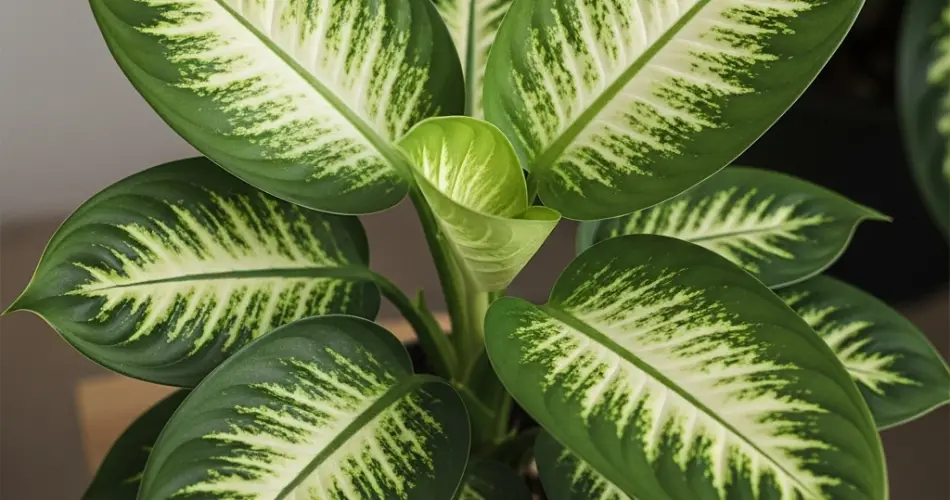
Dieffenbachia, commonly known as dumb cane, is a popular houseplant admired for its lush, tropical leaves and low-maintenance nature. With its bold patterns and vibrant green hues, it’s a striking addition to homes and offices. However, despite its beauty, many people are unaware that Dieffenbachia can be hazardous if handled improperly.
This guide will explain everything you need to know about Dieffenbachia — its risks, how to safely grow it indoors, and how to keep both your plant and your household thriving.
What Makes Dieffenbachia Potentially Dangerous?
The danger of Dieffenbachia lies in its sap. All parts of the plant contain calcium oxalate crystals — microscopic needle-like structures that can cause irritation upon contact. When the sap touches the skin, it may lead to redness, itching, or a burning sensation. If ingested, it can cause swelling of the mouth and throat, intense pain, and in rare cases, difficulty breathing. The nickname “dumb cane” comes from this effect: temporary speech loss can occur due to throat swelling if the sap is consumed.
This plant is especially risky for small children and pets, such as cats and dogs, who may chew on the leaves out of curiosity. While it’s unlikely to be fatal in most cases, ingesting Dieffenbachia can cause serious discomfort and require medical attention.
Safe Handling Tips
You don’t need to get rid of your Dieffenbachia if you have one — it can still be enjoyed safely with a few precautions:
-
Wear gloves when pruning, repotting, or handling the plant to prevent sap contact.
-
Wash your hands immediately after touching any part of the plant.
-
Keep it out of reach of children and pets by placing it on a high shelf or in a hanging planter.
-
Avoid rubbing your eyes after handling the plant, as the sap can cause severe irritation.
With basic care and awareness, you can safely enjoy this beautiful tropical plant indoors.
How to Care for Dieffenbachia
Beyond its potential toxicity, Dieffenbachia is a hardy and attractive houseplant that requires only moderate care. Here’s how to keep it healthy and thriving:
1. Light:
Dieffenbachia prefers bright, indirect light. Too much direct sun can scorch the leaves, while too little light will cause the plant to become leggy and lose its vibrant coloring. A spot near an east- or north-facing window is ideal.
2. Watering:
Water when the top inch of the soil feels dry. Dieffenbachia likes consistently moist — but not soggy — soil. Overwatering can lead to root rot, while underwatering can cause the leaves to droop and dry out.
3. Humidity and Temperature:
As a tropical plant, Dieffenbachia thrives in moderate to high humidity. Mist the leaves occasionally or place a humidifier nearby during dry seasons. The plant prefers temperatures between 65°F and 75°F (18°C–24°C) and should be kept away from cold drafts or sudden temperature changes.
4. Soil and Potting:
Use a well-draining potting mix. A standard indoor plant soil blend works well. Make sure the pot has good drainage holes to prevent excess water buildup at the roots.
5. Fertilizing:
Feed the plant once a month during the growing season (spring through summer) with a balanced, water-soluble fertilizer. Skip feeding during the fall and winter when the plant naturally slows its growth.
Common Problems and Solutions
Yellowing Leaves: This is often a sign of overwatering or poor drainage. Let the soil dry out more between waterings and ensure your pot drains properly.
Brown Leaf Tips: Usually caused by low humidity or exposure to cold drafts. Increase humidity or move the plant to a more stable, warm location.
Drooping Leaves: This may indicate underwatering or shock from temperature changes. Check soil moisture and ensure the plant isn’t exposed to extreme conditions.
Pests: Dieffenbachia can sometimes attract aphids, mealybugs, or spider mites. Treat infestations with insecticidal soap or neem oil and wipe the leaves clean regularly.
Pruning and Maintenance
Dieffenbachia grows quickly under the right conditions and can become tall and top-heavy. Prune any leggy or damaged stems to encourage bushier growth. Always use clean, sharp scissors or pruning shears, and remember to wear gloves when cutting back the plant.
If the plant becomes too tall, you can cut the stem and replant the top section. The remaining stem will usually sprout new growth from the base.
Final Thoughts
Dieffenbachia is a beautiful, eye-catching plant that brings a touch of the tropics into your home. With proper care and handling, it can be a safe and long-lasting addition to your indoor garden. Just remember to treat it with the same caution you would any potentially toxic item — admire its beauty, but always handle with care.


