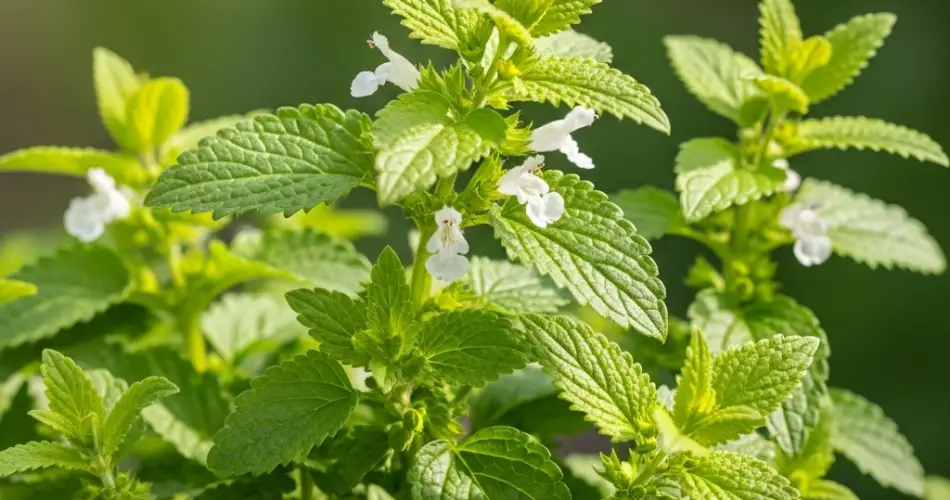
Lemon balm, also known as Melissa officinalis or simply Toronjil in Spanish-speaking regions, is a medicinal herb that often goes unnoticed at garden centers and nurseries. However, this humble plant is a powerhouse of health benefits and deserves a prominent place in every home garden.
With its fresh lemon scent, calming effects, and numerous practical uses, lemon balm has been valued for centuries in herbal medicine. If you happen to see this plant at a nursery, don’t think twice—bring it home. Here’s everything you need to know about its uses, benefits, and how to care for it.
What Is Lemon Balm (Melissa officinalis)?
Lemon balm is a perennial herb in the mint family, native to the Mediterranean and Western Asia. It grows in low, bushy clusters and features bright green, serrated leaves with a distinctive lemony fragrance. In late spring and summer, it produces small white or pale yellow flowers that attract bees and other pollinators—hence its botanical name Melissa, which means “honeybee” in Greek.
Despite its unassuming appearance, lemon balm is rich in essential oils and bioactive compounds that offer powerful health benefits.
Health Benefits of Lemon Balm
Lemon balm is best known for its calming and mood-enhancing properties. It has been used for centuries as a natural remedy for:
-
Stress and anxiety relief
-
Improved sleep quality
-
Mild depression
-
Digestive discomfort
-
Tension headaches
The herb contains compounds like rosmarinic acid, citronellal, and eugenol, which have calming, antispasmodic, and anti-inflammatory effects on the body.
A simple infusion of fresh or dried lemon balm leaves in hot water can help reduce anxiety, promote better sleep, and soothe the digestive tract after meals. It’s also gentle enough for children when used in small amounts.
Lemon Balm for the Mind and Body
In addition to its stress-relieving abilities, lemon balm supports mental clarity and focus. Some studies suggest that it may help improve memory and cognitive performance, especially in cases of mental fatigue.
Its antiviral and antibacterial properties make it useful for topical applications as well. Crushed leaves or homemade salves can be applied to cold sores, insect bites, or minor skin irritations to reduce inflammation and speed healing.
Culinary Uses of Lemon Balm
Lemon balm isn’t just for tea or tinctures—it’s also a wonderful culinary herb. Its mild citrus flavor pairs well with a variety of dishes:
-
Add chopped leaves to green salads or fruit salads.
-
Mix into salad dressings, marinades, or herbal butters.
-
Use it to flavor lemonades, smoothies, or cocktails.
-
Add to desserts like cakes, sorbets, or baked goods.
The leaves can be used fresh or dried. For the best flavor, harvest in the morning just before the plant flowers.
How to Grow and Care for Lemon Balm
Lemon balm is easy to grow, even for beginners. It thrives in temperate climates and adapts well to both garden beds and containers.
Growing Tips:
-
Light: Prefers full sun to partial shade.
-
Soil: Well-draining, moderately rich soil.
-
Watering: Keep the soil moist but not soggy. It tolerates short dry spells.
-
Spacing: Space plants about 30–40 cm apart, as it can spread quickly.
-
Pruning: Trim regularly to prevent it from becoming leggy and to encourage bushier growth.
Although it’s a perennial, lemon balm may die back in colder climates during winter but will usually regrow in spring. You can also propagate it easily from cuttings or by dividing the roots.
Preserving and Storing Lemon Balm
To enjoy lemon balm year-round, you can preserve the leaves by drying them:
-
Harvest young, healthy leaves before flowering.
-
Lay them flat in a dry, shaded, and well-ventilated area.
-
Once fully dried, store them in an airtight container away from heat and light.
Alternatively, you can freeze chopped leaves in ice cube trays with a little water or olive oil for quick use in recipes.
Other Practical Uses
Lemon balm also has many household and garden uses:
-
Acts as a natural insect repellent—rub crushed leaves on the skin to ward off mosquitoes.
-
Makes a relaxing bath additive—add a handful of leaves to warm bathwater.
-
Can be used as a natural air freshener or potpourri base due to its pleasant scent.
-
Attracts pollinators like bees, which is beneficial for your garden ecosystem.
Final Thoughts
Lemon balm may not be the flashiest plant at the nursery, but its benefits are immense. From promoting calm and clarity to aiding digestion and supporting skin health, this herb is a true multitasker. Easy to grow and incredibly versatile, lemon balm is a wise choice for anyone seeking natural wellness solutions at home.
Next time you spot it at a garden center, take it home—you’ll be adding a medicinal gem to your garden.


