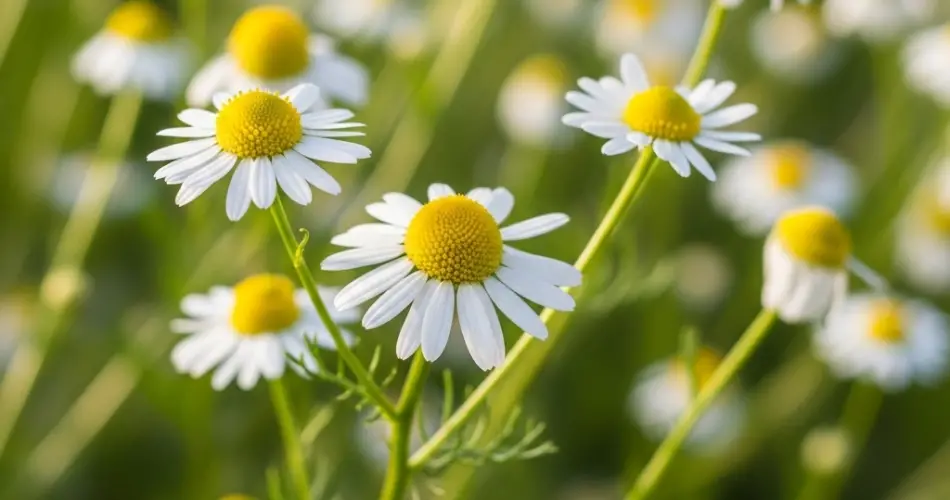
In gardens around the world, countless people unknowingly pull up a plant that holds powerful health benefits and versatile uses: chamomile. Often mistaken for a common weed, this humble herb is one of nature’s greatest gifts. If you’ve seen delicate white flowers with yellow centers growing in your garden, don’t rush to remove them — you might be discarding a plant with centuries of medicinal history.
Chamomile (Matricaria chamomilla or Chamaemelum nobile, depending on the variety) has been used since ancient times in traditional medicine, teas, and natural beauty remedies. Let’s explore why chamomile deserves a place in your garden and your daily routine.
How to Identify Chamomile in the Garden
Chamomile grows low to the ground and produces daisy-like flowers with small white petals surrounding a yellow cone-shaped center. The leaves are feathery and finely divided, giving the plant a soft, delicate appearance. It gives off a pleasant apple-like aroma when touched or crushed — a clue that you’ve found something special.
There are two main types:
-
German chamomile (Matricaria chamomilla) – an annual with more abundant flowers.
-
Roman chamomile (Chamaemelum nobile) – a perennial that forms a low, spreading groundcover.
Both types have similar properties and can be used interchangeably in most home remedies.
The Medicinal Power of Chamomile
Chamomile is best known for its calming effects. The dried flowers are commonly steeped into teas that help with:
-
Anxiety and stress relief
-
Insomnia and restless sleep
-
Digestive discomfort and bloating
-
Menstrual cramps
-
Inflammation and skin irritations
The natural compounds in chamomile — such as apigenin and bisabolol — have anti-inflammatory, antispasmodic, and mild sedative effects. Drinking chamomile tea regularly may help reduce stress levels, improve digestion, and promote a sense of overall well-being.
Topical Uses and Skin Benefits
Chamomile’s soothing properties extend beyond internal health. It is widely used in skincare for:
-
Soothing rashes and eczema
-
Calming sunburn and insect bites
-
Reducing redness and inflammation
-
Helping wounds heal faster
To make a homemade chamomile infusion, simply steep a handful of dried flowers in hot water, let it cool, and use it as a skin rinse or compress. For a more intensive treatment, you can infuse chamomile flowers in oil and use it as a natural skin serum.
How to Harvest and Dry Chamomile
If chamomile is growing wild in your garden, consider yourself lucky. To harvest it properly:
-
Pick the flowers when they’re fully open — usually in the morning after the dew has dried.
-
Lay them flat on a clean towel or mesh screen in a well-ventilated, shaded area.
-
Let them dry completely, usually over several days, until they feel crisp to the touch.
Store the dried flowers in an airtight container away from light and moisture. Properly dried chamomile can last for up to a year and be used for tea, infusions, or skincare.
Growing Chamomile at Home
If you don’t already have chamomile in your garden, it’s easy to grow from seed:
-
Choose a sunny spot with well-drained soil.
-
Sow the seeds lightly on the surface — chamomile needs light to germinate.
-
Water gently and keep the soil moist until seedlings appear.
-
Thin them out so they have space to grow and spread.
Chamomile is low-maintenance and grows well in containers, flower beds, or herb gardens. It also attracts pollinators like bees and butterflies, making it a beneficial companion plant.
Other Uses in the Home
In addition to its medicinal and skincare benefits, chamomile has other handy uses:
-
Add it to bathwater for a relaxing soak.
-
Mix with baking soda for a homemade dry shampoo.
-
Use it in potpourri or herbal sachets to scent drawers and closets.
-
Make a soothing hair rinse for lightening and softening blonde hair.
Its gentle fragrance and calming effects make chamomile a favorite ingredient in many DIY remedies.
Final Thoughts
Many people mistake chamomile for a weed and pull it up without a second thought. But this modest-looking plant holds immense value for health, relaxation, and natural living. Instead of discarding it, embrace chamomile as a gentle healer and versatile ally in your home and garden.
Next time you see those small white blooms in your yard, take a closer look before pulling them out. You may have a natural pharmacy growing right at your feet.


