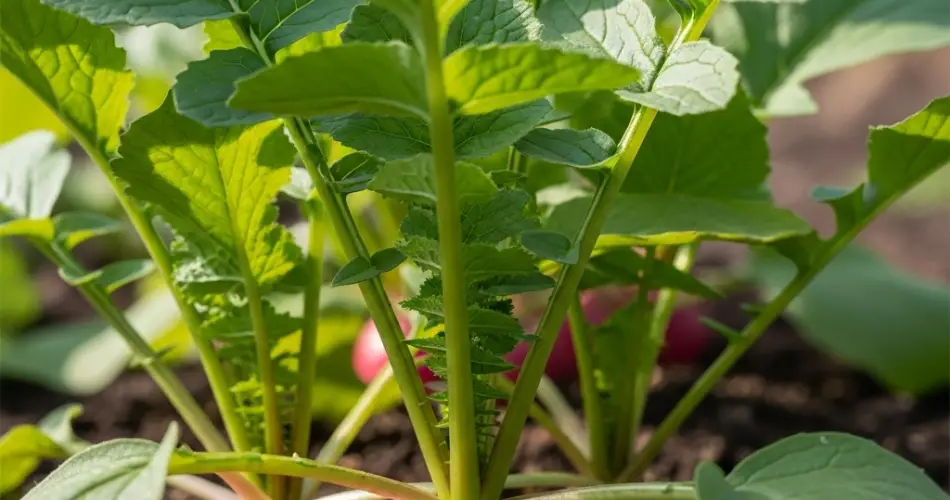
Radishes are one of the easiest and fastest vegetables to grow, making them perfect for beginner gardeners and those looking for quick harvests. These peppery, crunchy roots thrive in cool weather and can be grown in garden beds, containers, or even window boxes. With the right care and timing, radishes can go from seed to table in just 3 to 4 weeks.
Why Grow Radishes?
Radishes are not only quick to mature, but they also require minimal maintenance. Their compact size means they don’t take up much space, and their fast growth cycle allows for multiple plantings throughout the season. They also help break up compacted soil, benefiting surrounding plants when used as companions in mixed beds.
There’s a wide variety of radishes to choose from, including the classic red round types, elongated French Breakfast, spicy Daikon, and colorful watermelon radishes. Whether you prefer them raw, pickled, or roasted, radishes add color and zest to meals.
Best Time to Plant
Radishes grow best in cool temperatures. Early spring and fall are ideal for planting. Avoid the hottest part of summer, as high temperatures cause the plants to bolt (go to seed prematurely), resulting in small or woody roots.
In most climates, you can start sowing radish seeds as soon as the soil is workable in spring. If the ground doesn’t freeze where you live, you may be able to grow radishes year-round with proper planning.
Soil and Sunlight
Radishes need well-draining, loose soil free of rocks or clumps that might interfere with root development. A pH level between 6.0 and 7.0 is ideal. Work compost or well-rotted manure into the soil before planting to give the roots a nutrient-rich start.
Choose a sunny location for your radishes. They require at least 6 hours of direct sunlight daily. Too much shade can cause poor root development and excessive leaf growth.
Planting Radish Seeds
Direct sowing is the most effective method for growing radishes. There’s no need to start them indoors or transplant them.
-
Sow seeds about ½ inch deep and 1 inch apart.
-
Space rows about 8–12 inches apart.
-
Once seedlings appear (usually within 3–7 days), thin them to 2 inches apart to prevent overcrowding and allow room for root development.
To enjoy a continuous harvest, plant a new batch of seeds every 7 to 10 days during the growing season. This staggered planting ensures a steady supply of fresh radishes.
Watering and Maintenance
Radishes need consistent moisture to develop properly. Uneven watering can lead to split roots or a bitter taste.
-
Water regularly, especially during dry spells.
-
Keep the soil moist but not soggy.
-
Mulch around plants to retain moisture and suppress weeds.
Radishes generally don’t need extra fertilization if planted in nutrient-rich soil. Excess nitrogen, in particular, can encourage leafy growth at the expense of the roots.
Weeding is important, especially during the early growth stage. Radishes compete poorly with weeds, so keep the bed clean and clear.
Common Problems
Radishes are relatively pest-resistant, but a few issues can arise:
-
Flea beetles: These tiny insects chew small holes in leaves. Use floating row covers or neem oil to deter them.
-
Root maggots: Larvae that tunnel into roots. Crop rotation and row covers help reduce infestations.
-
Bolting: High temperatures or long days can cause radishes to flower too soon. Plant in cooler seasons and select bolt-resistant varieties.
Poor root formation is often the result of overcrowding, lack of sunlight, or poor soil conditions. Thinning seedlings and ensuring enough space for each plant is crucial.
Harvesting Radishes
The key to perfect radishes is timely harvesting. Don’t let them stay in the ground too long, or they may become woody and pungent.
-
Most varieties are ready in 20 to 30 days.
-
Check size by brushing soil away from the top of the root.
-
Gently pull them from the soil once they reach the desired size (usually about 1 inch in diameter).
After harvesting, remove the tops if you’re not eating them right away. The greens draw moisture from the roots and can cause them to go soft quickly.
Storing and Using Radishes
Radishes can be stored in the refrigerator for up to two weeks. Keep them in a perforated plastic bag or container with a paper towel to absorb excess moisture.
Use radishes in a variety of ways:
-
Slice them raw into salads for a crisp texture and peppery flavor.
-
Roast them with olive oil and herbs to mellow their bite.
-
Pickle them for a tangy addition to sandwiches and tacos.
-
Use the greens in pesto, soups, or sautés.
Final Thoughts
Radishes are the perfect vegetable for quick returns and easy success. With minimal effort, you can enjoy a bounty of fresh, flavorful roots that add crunch and character to your kitchen. Whether you’re new to gardening or just looking for a fast-growing crop, radishes are a satisfying and rewarding choice.


