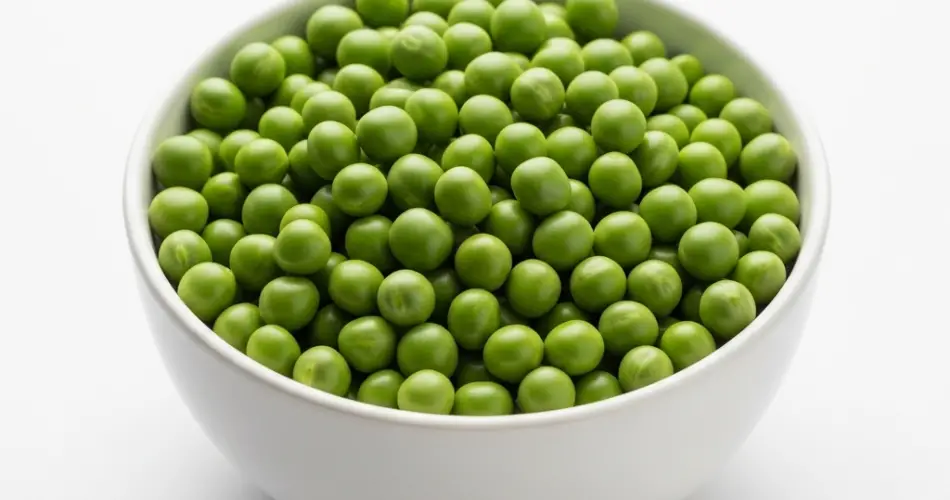
Peas are one of the most rewarding and versatile vegetables to grow in any home garden. Sweet, tender, and packed with nutrients, peas are not only delicious fresh off the vine, but they’re also easy to grow and use in a wide range of recipes. Whether you prefer snow peas, snap peas, or garden peas (also called shelling peas), this crop offers early-season satisfaction and culinary potential in every pod.
Why Grow Peas?
Peas are cool-season vegetables that thrive in spring and fall. They’re quick to germinate, grow rapidly, and often produce within 60 days of planting. Since peas enrich the soil with nitrogen through their root systems, they make excellent companions for future crops like leafy greens or tomatoes.
Peas are also compact and suitable for container gardening or raised beds, especially when trained on trellises or supports. Best of all, their delicate flowers and bright green vines are beautiful additions to any garden space.
Types of Peas
Before planting, it’s helpful to understand the three main types of peas:
-
Garden peas (shelling peas): The inedible pods must be removed to enjoy the sweet, round peas inside.
-
Snow peas: Flat pods with tiny peas inside, harvested while young and tender. They’re perfect for stir-fries.
-
Snap peas: A cross between snow and garden peas, with plump pods that can be eaten whole.
Choose a variety suited to your culinary goals and garden space.
When and How to Plant Peas
Peas prefer cooler temperatures and should be planted as early as possible in spring—often a few weeks before the last frost date. In milder climates, a fall crop can also be grown.
-
Soil preparation: Choose a well-drained site with full sun exposure. Add compost to enrich the soil and ensure good moisture retention without sogginess.
-
Planting depth: Sow seeds 1 inch deep and about 2 inches apart in rows. Space rows 18–24 inches apart.
-
Support: Provide a trellis, fence, or netting early on. Even dwarf varieties benefit from a bit of support to improve airflow and keep pods clean.
Soaking seeds overnight before planting can help speed up germination, especially in cooler soil.
Caring for Pea Plants
Once planted, peas are relatively low maintenance. Keep the soil evenly moist, especially during flowering and pod development, but avoid overwatering.
-
Mulch around the base to conserve moisture and prevent weeds.
-
Fertilization is usually unnecessary if the soil is rich, though a light compost top-dress can be helpful. Avoid high-nitrogen fertilizers, which promote leaf growth over pod production.
Watch for common pests like aphids or pea weevils. These can be controlled with insecticidal soap or by encouraging natural predators like ladybugs. Powdery mildew may appear in humid conditions; proper spacing and air circulation help prevent it.
Harvesting Peas
Peas are best harvested when the pods are plump and bright green but still tender. Frequent harvesting encourages the plant to produce more pods.
-
Shelling peas: Pick when pods are swollen and rounded.
-
Snow peas: Harvest when the pods are flat and the peas inside are just beginning to form.
-
Snap peas: Look for pods that are full and firm but still crisp.
Harvest gently by pinching pods from the vine with your fingers to avoid damaging the plant. Morning is the best time for harvesting, as peas will be crisp and full of moisture.
Storing and Using Peas
Fresh peas taste best when used immediately after harvest, but they can also be stored or preserved.
-
Refrigeration: Store in the crisper drawer in a perforated bag for up to five days.
-
Freezing: Blanch shelled or snap peas briefly in boiling water, then cool in an ice bath and freeze in airtight containers.
-
Drying: Some heirloom or soup pea varieties are grown specifically to be dried and stored for winter use.
Simple and Delicious Pea Recipes
Peas are a versatile ingredient in many dishes, from simple sides to hearty mains. Here are a few ideas:
-
Fresh Pea Soup
Sauté chopped onions and garlic in olive oil, add peas and vegetable broth, simmer, then puree until smooth. Finish with fresh mint or cream for a comforting soup. -
Pea and Mint Salad
Blanch peas and mix with chopped mint, crumbled feta, lemon juice, and olive oil for a refreshing side dish. -
Stir-Fried Snow Peas
Toss snow peas in a hot pan with sesame oil, garlic, and soy sauce for a crisp, flavorful stir-fry in minutes. -
Creamy Pea Pasta
Cook pasta and mix with a creamy sauce made from blended peas, parmesan, and a splash of cream. Add crispy pancetta or mushrooms for extra depth. -
Peas with Rice (Risi e Bisi)
This classic Italian dish combines arborio rice, fresh peas, broth, and onion for a comforting and light risotto-style meal.
Final Thoughts
Growing peas is a satisfying way to kick off the gardening season or extend it into the cooler months. They’re easy to manage, quick to mature, and incredibly rewarding both in the garden and the kitchen. With just a little planning and care, you can enjoy fresh, sweet peas and transform them into a variety of healthy, delicious meals.


